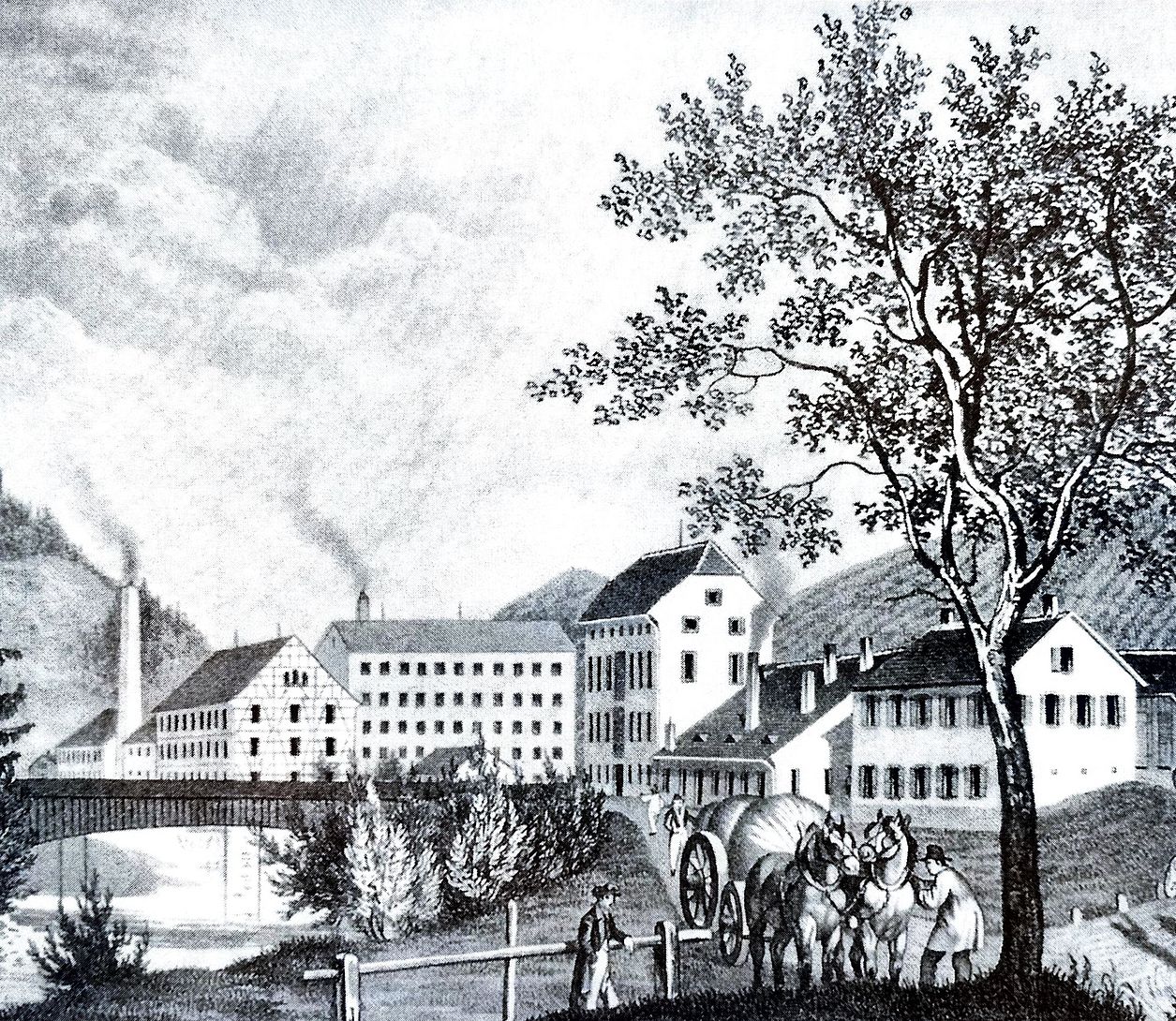
From Winterthur to the world
In April 1795, Johann Jacob Rieter founded a company in Winterthur trading exotic spices and cotton. Today, the company develops machinery and systems for the textile industry worldwide.
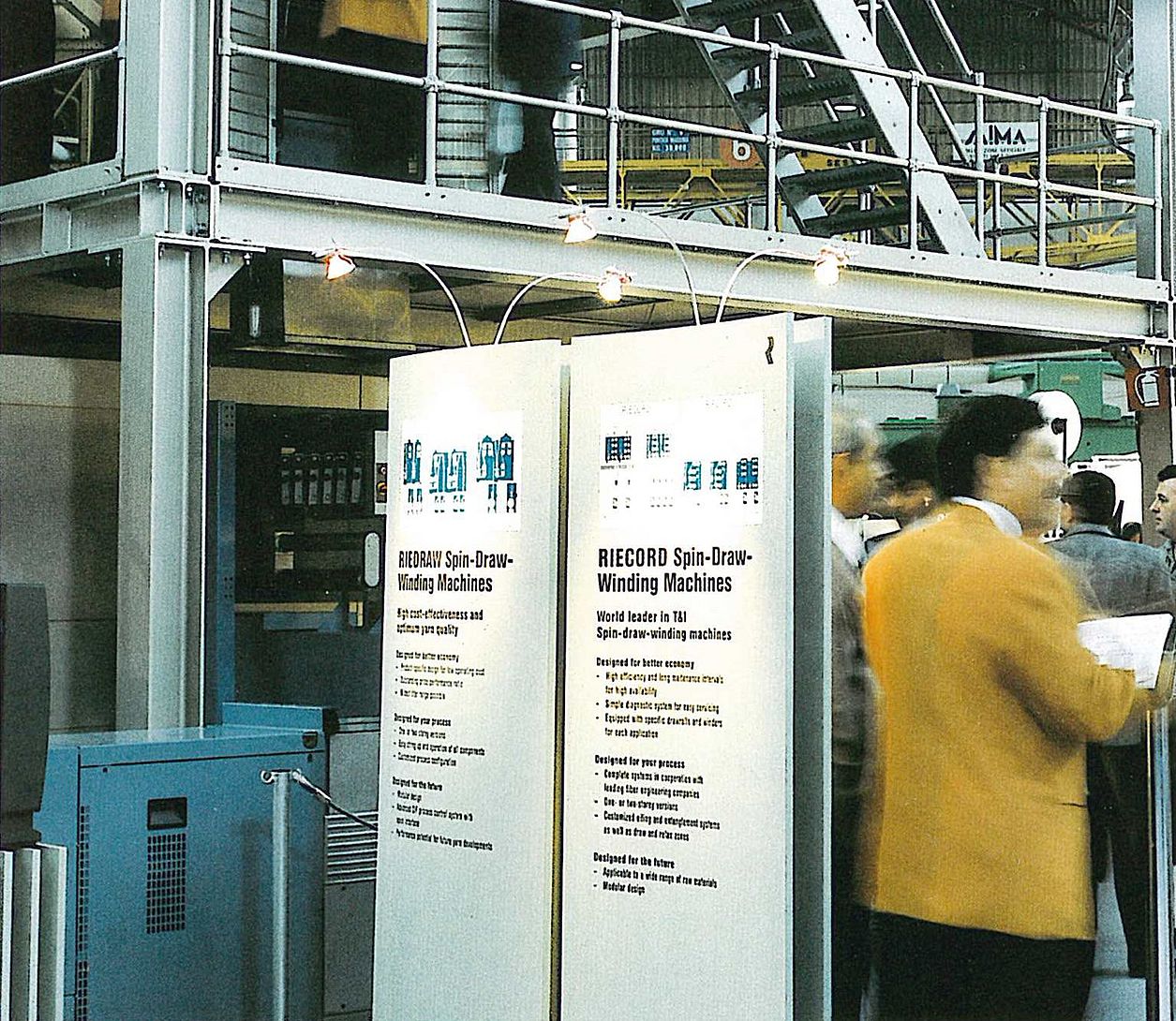
ITMA in Milan: with the 200th anniversary comes a fresh new look
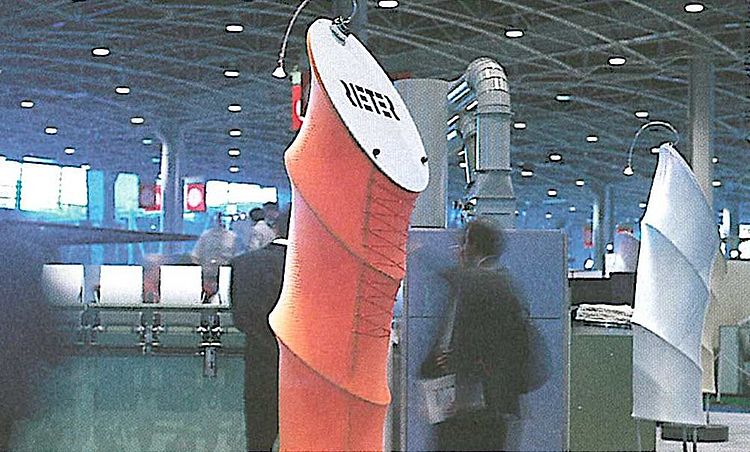
In its anniversary year, Rieter introduces a new design and concept at the textile technology trade fair ITMA. Instead of primarily showcasing machines, the focus is on personal interaction. ITMA in Europe takes place every four years and is the biggest textile industry trade fair in the world.
June 1995
Rieter Automotive: leaping the Atlantic in the wake of globalization
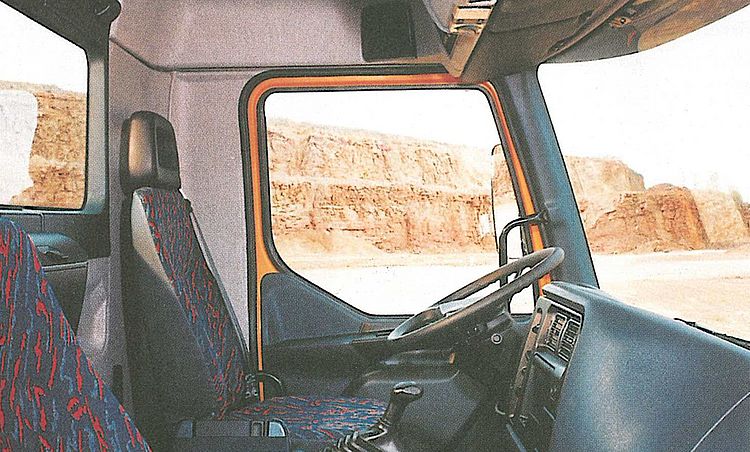
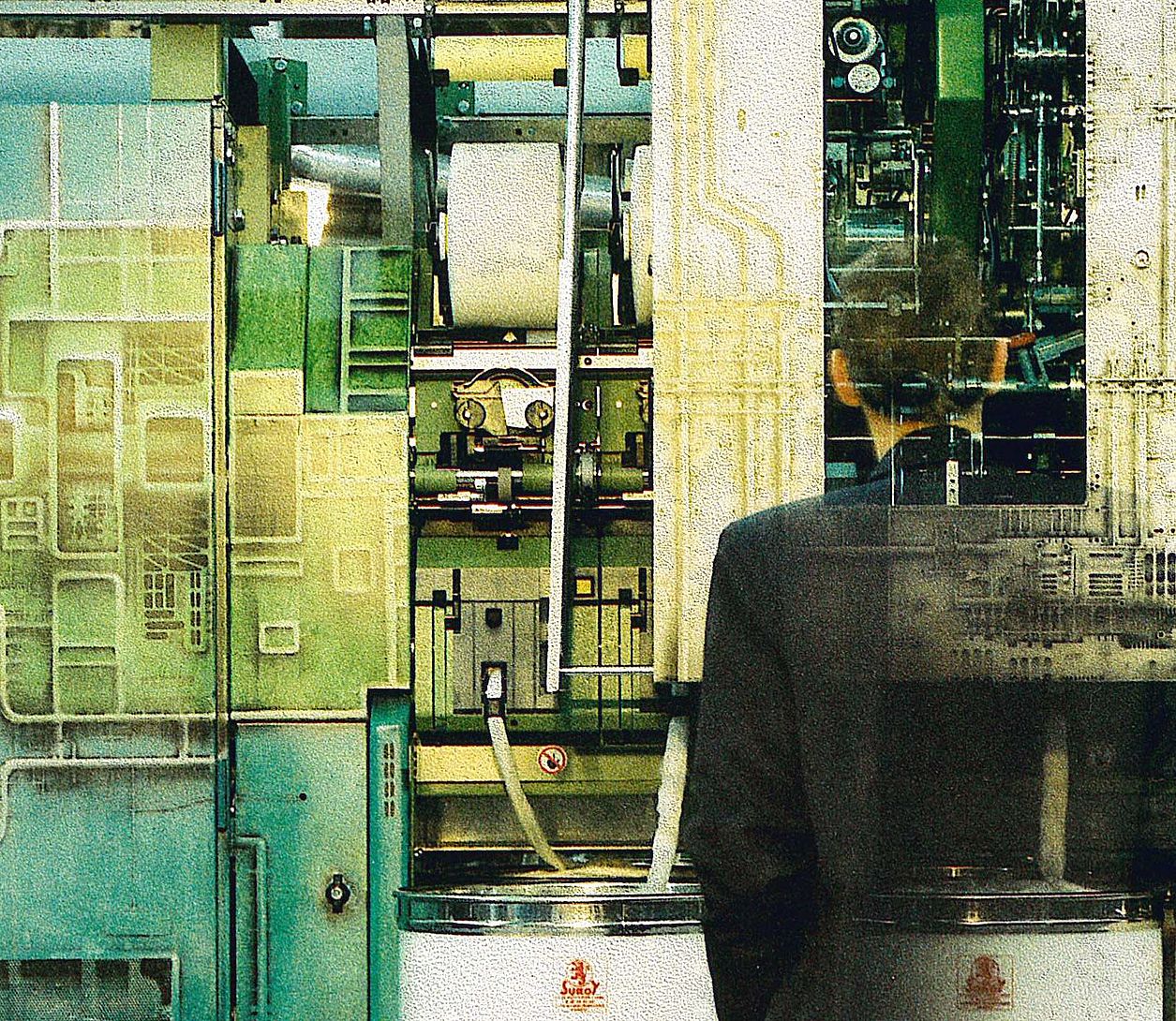
Dual strategy: Unikeller becomes Rieter Automotive Systems
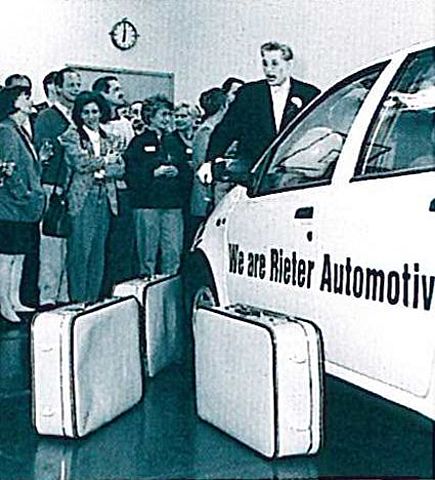
As it enters the North American market, the automotive supply business gives up its historical name Unikeller and becomes Rieter Automotive Systems, following the same pattern as Rieter Textile Systems for the textile machinery business. The names reflect the strategy: Rieter wants to develop both businesses equally.
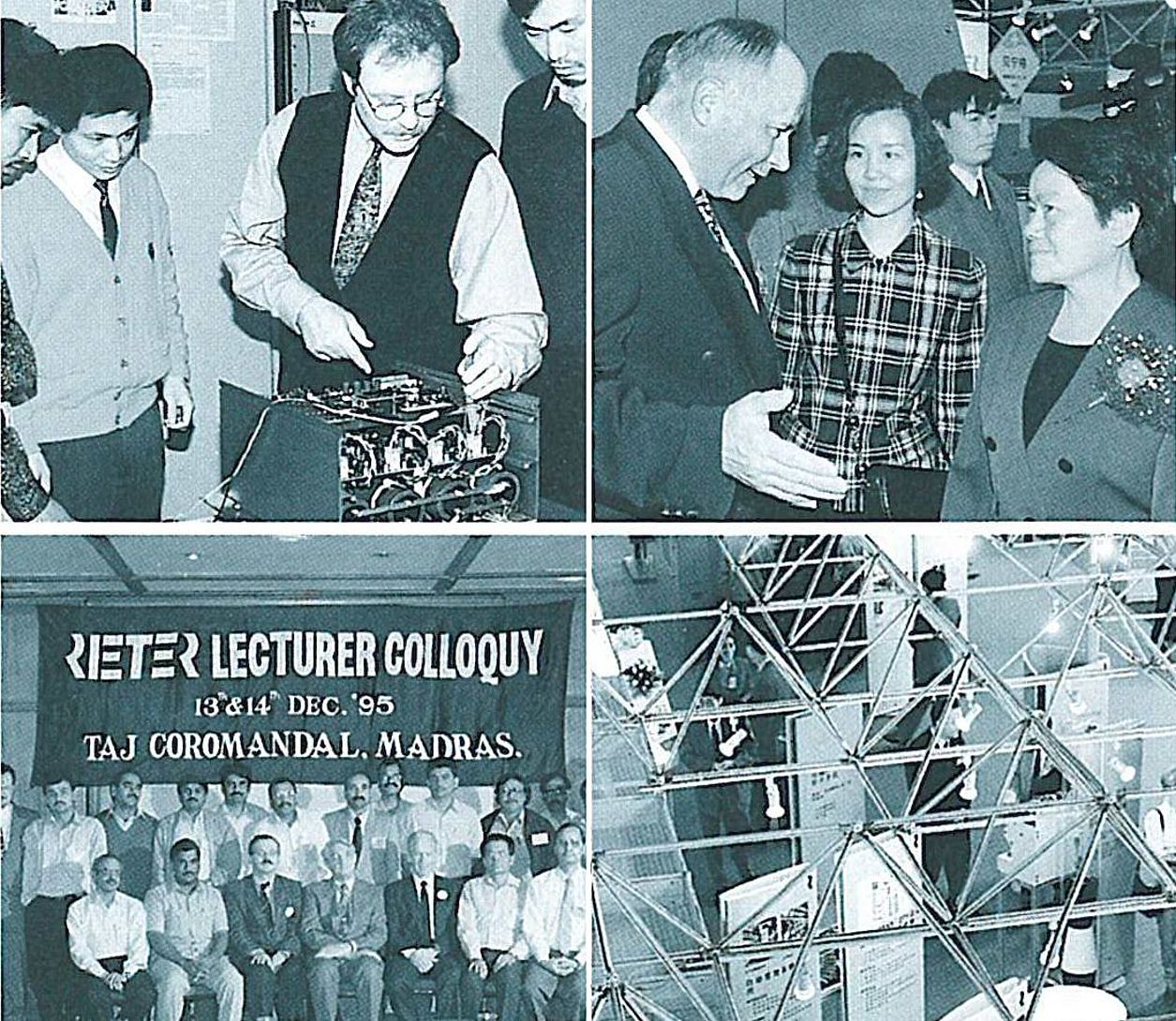
Rieter Textile: adapting to global market developments
Demand in the textile machinery business is subdued, and Rieter expects only slight growth in the medium term. Rieter adapts its capacities and starts by cutting around 700 jobs in Germany and Switzerland. By contrast, locations in Asia and Latin America are expanded.
Rieter Textile: acquisition in the field of technology components

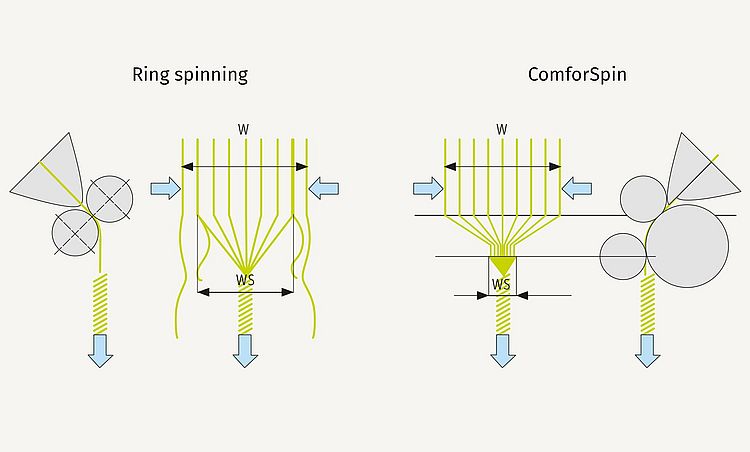
Rieter launches ComforSpin, a groundbreaking new spinning process
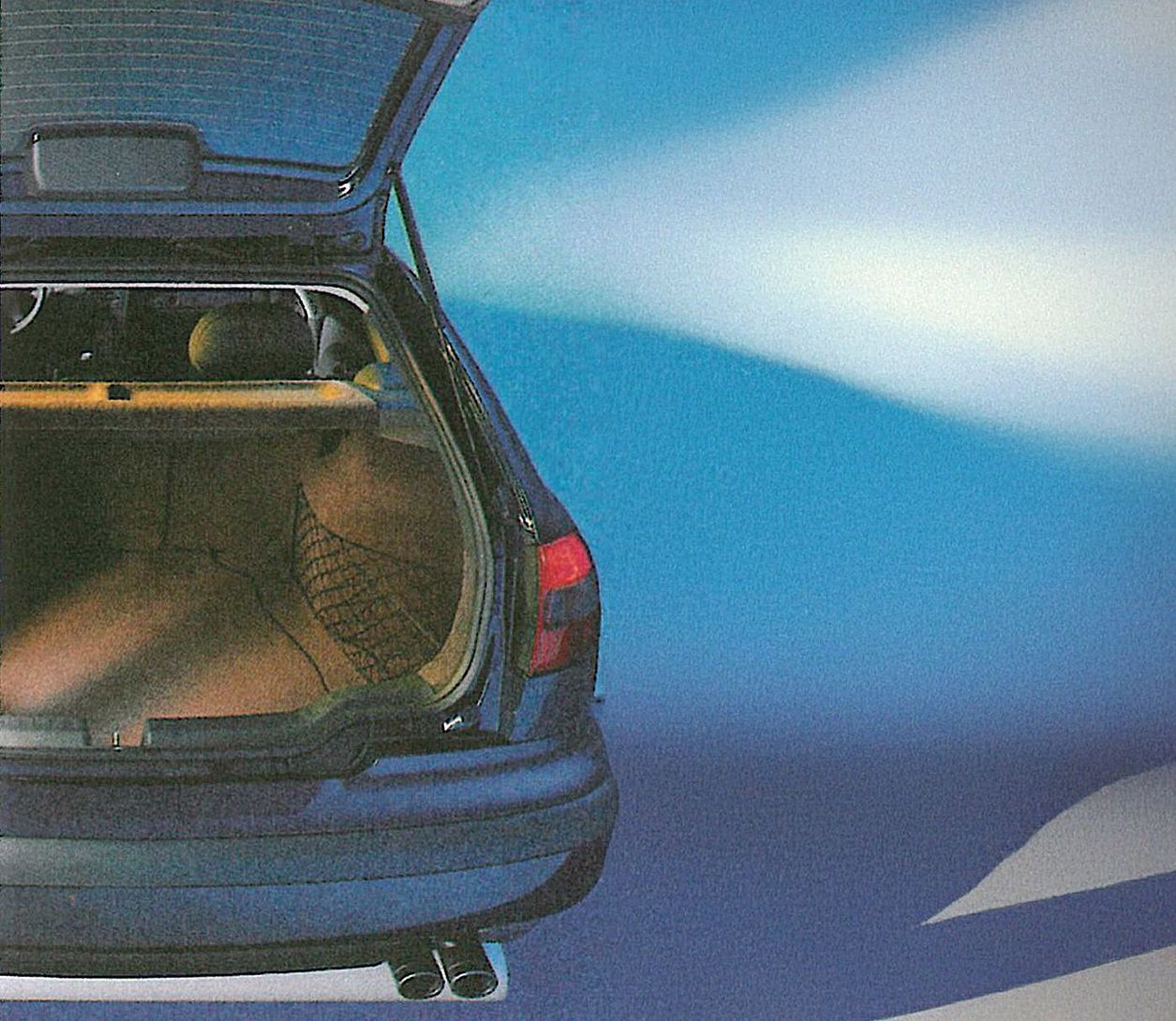
Rieter Automotive: functional carpets also for North America
In cars, the carpet doesn’t just create comfort – it also insulates against noise and heat from the engine compartment. By establishing a joint venture with major American manufacturer Magee, Rieter is able to offer this key product on both continents as the only automotive supplier.
«Asian crisis 1997/1998» – severe turbulence in emerging markets

Rieter Textile: crises in Asia and Russia lead to market collapse
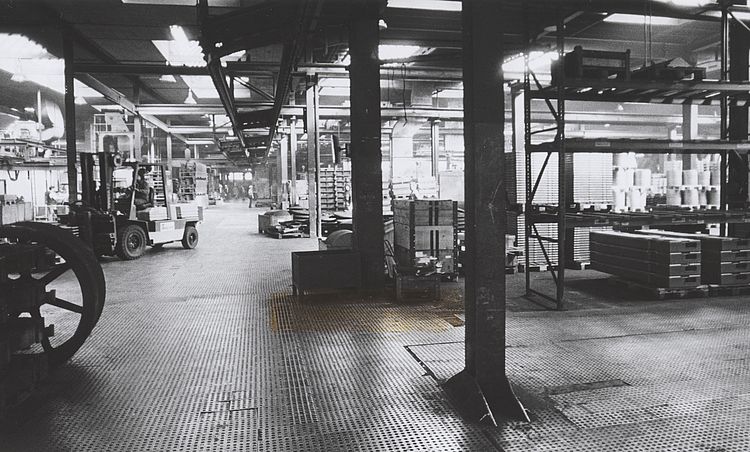
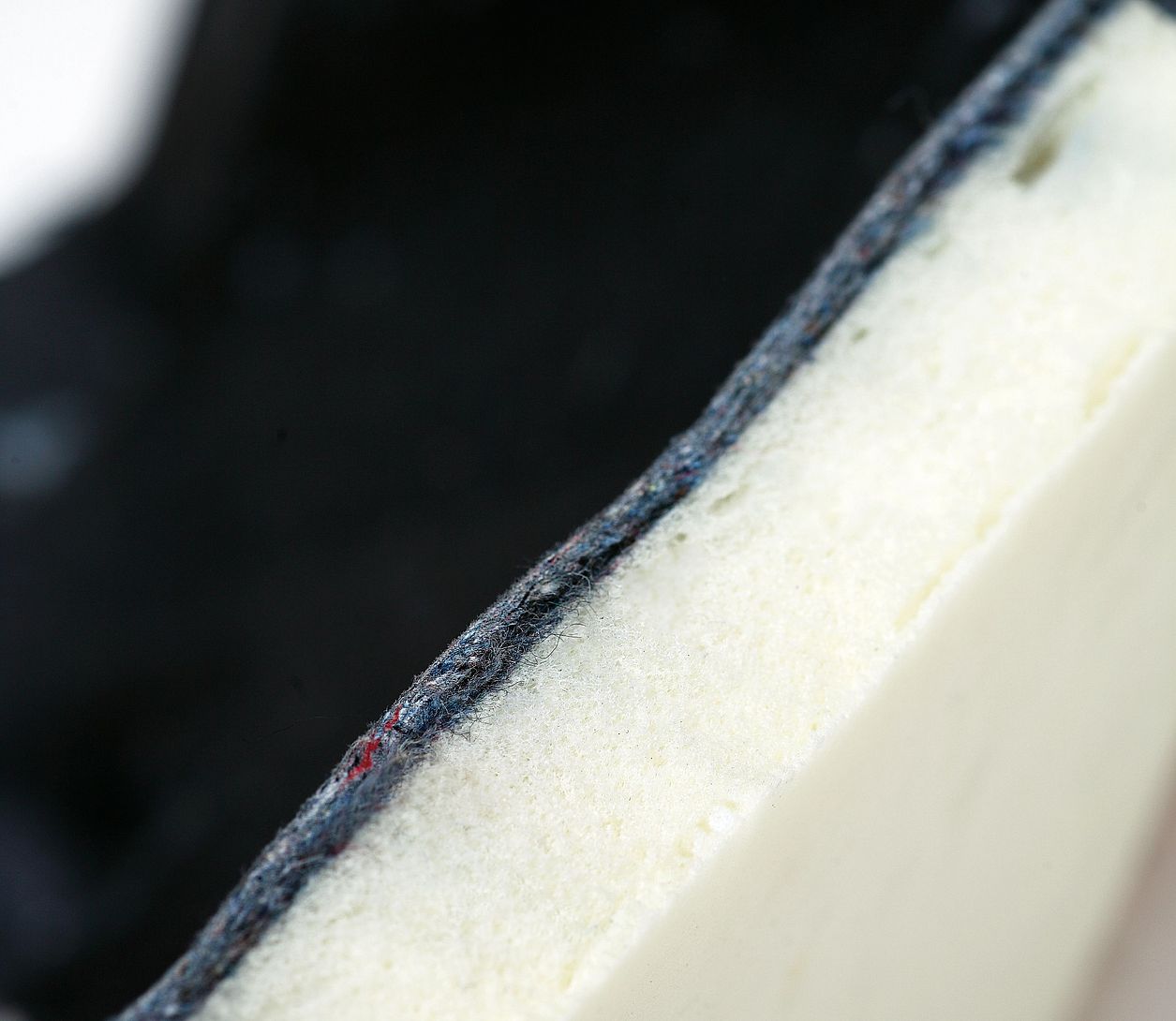
Rieter Ultra Light: pioneering innovation for vehicle construction
Weight reduction is one of the biggest challenges facing the automotive industry. The Rieter Ultra Light system for sound insulation is 30 to 60% lighter than conventional solutions and lowers costs while still achieving the same or better performance. An exclusive product with great potential.
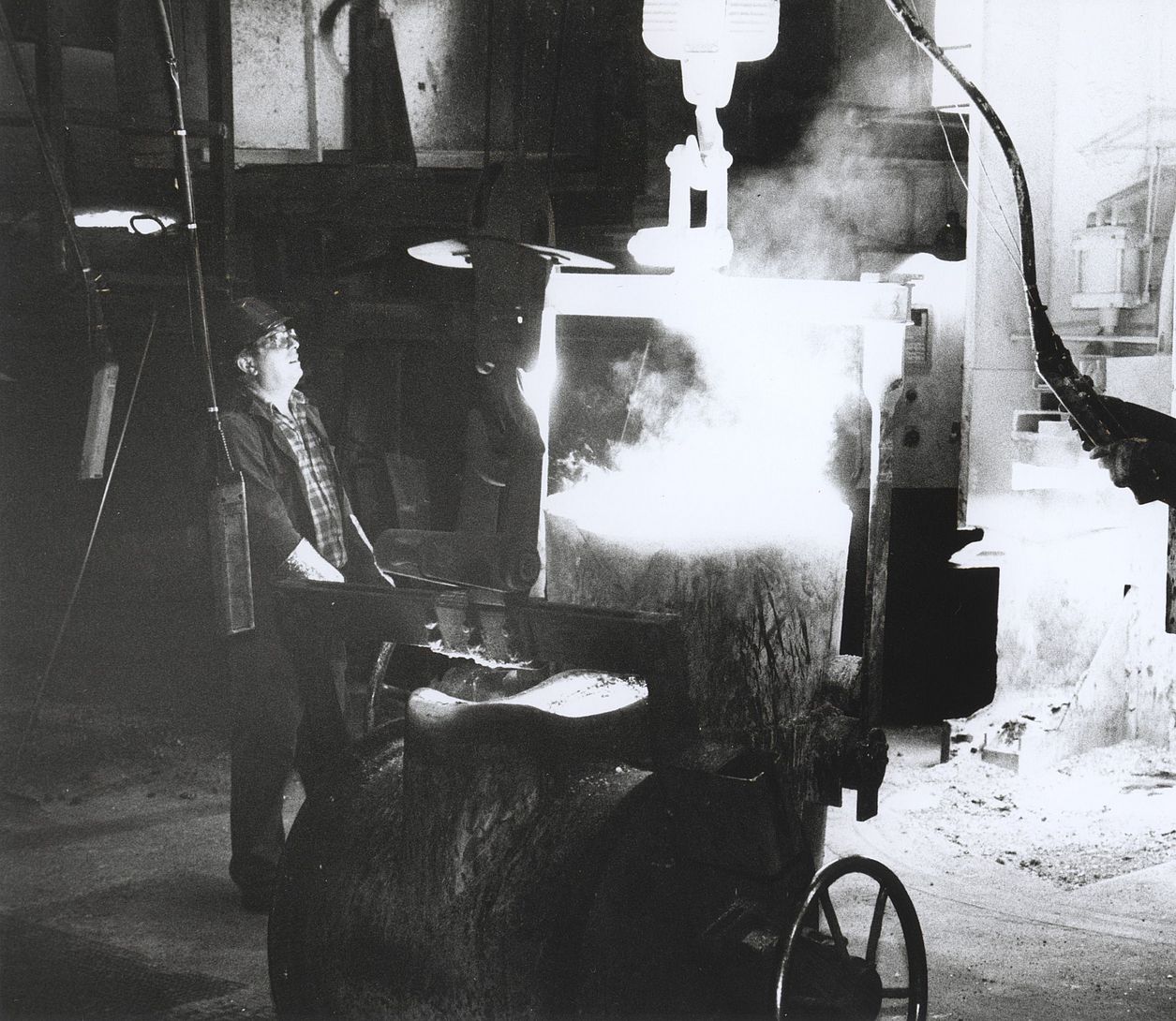
Furnace off: Rieter closes traditional foundry in Winterthur
Future generations of textile machines require considerably fewer castings. Rieter therefore prepares the foundry in Winterthur for closure and transfers the business to the Von Roll Group. This closes a chapter of the industrial history of this city.

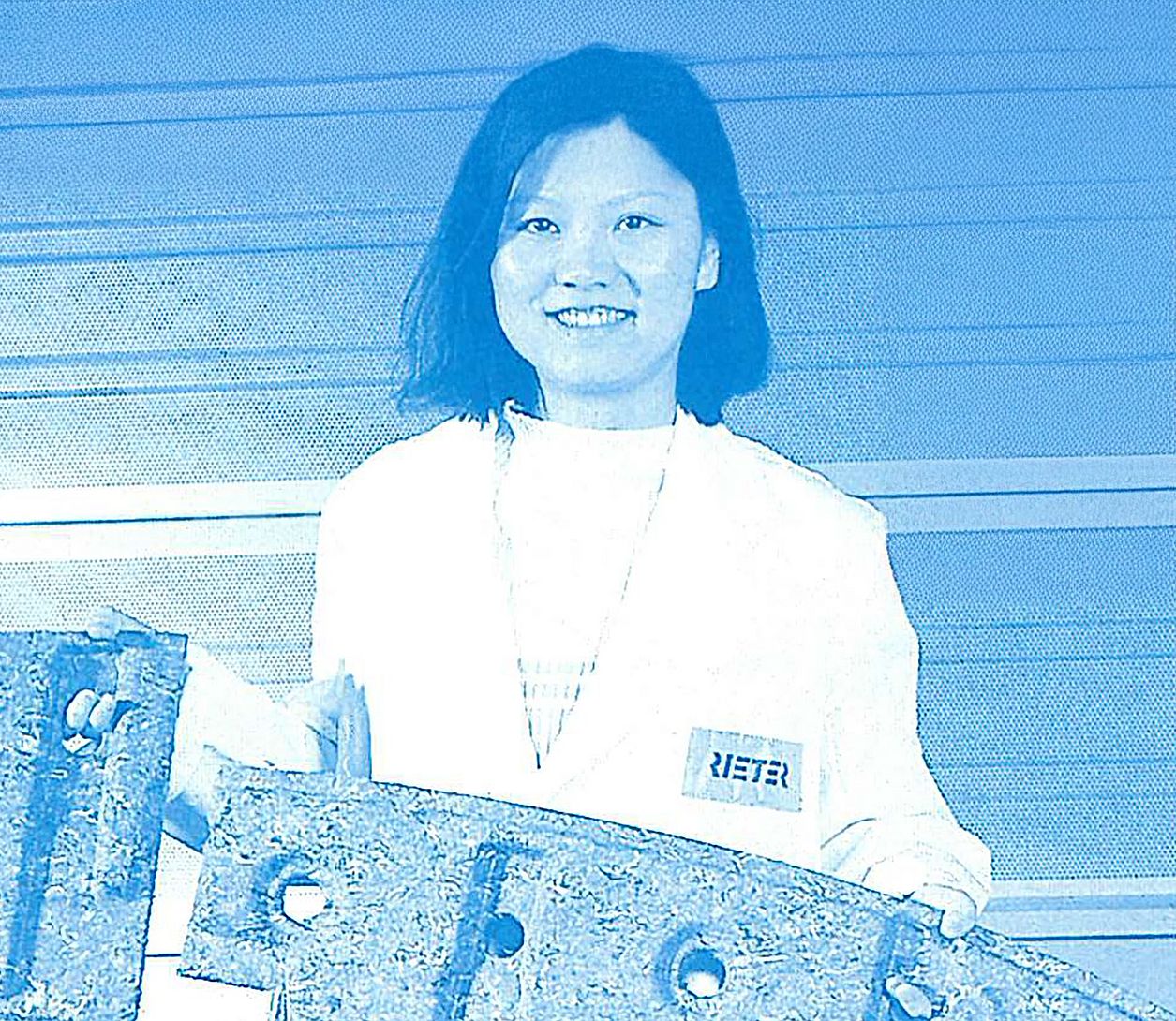
ITMA 1999 in Paris: Rieter Textile with state-of-the-art product range
Rieter Automotive expands globally and restructures locations
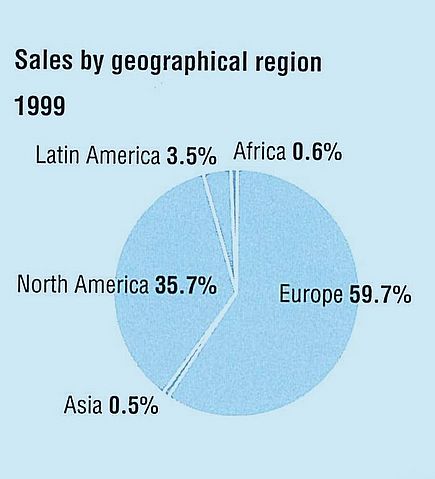
Rieter Automotive is now also present in Poland, Türkiye and South Africa. Production of heat shields starts in the USA. Continuous adjustments are required in order to provide services at the optimal location. Five plants in Italy and the US are closed or sold.
May 25, 2000
Kurt Feller takes over from Heinrich Steinmann as Chairman


Rieter Textile: growth through market recovery and acquisition
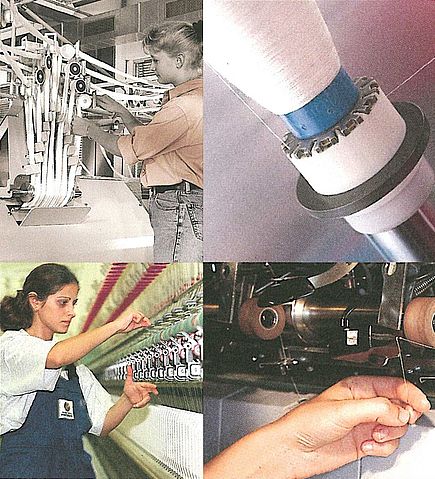
After years in an unfavorable environment, Rieter benefits from a sharp upswing in the global market. In addition, Rieter takes over parts of the French ICBT Group with five locations worldwide. With this strategic step, Rieter opens up additional market segments in the synthetic fiber and nonwoven segments.
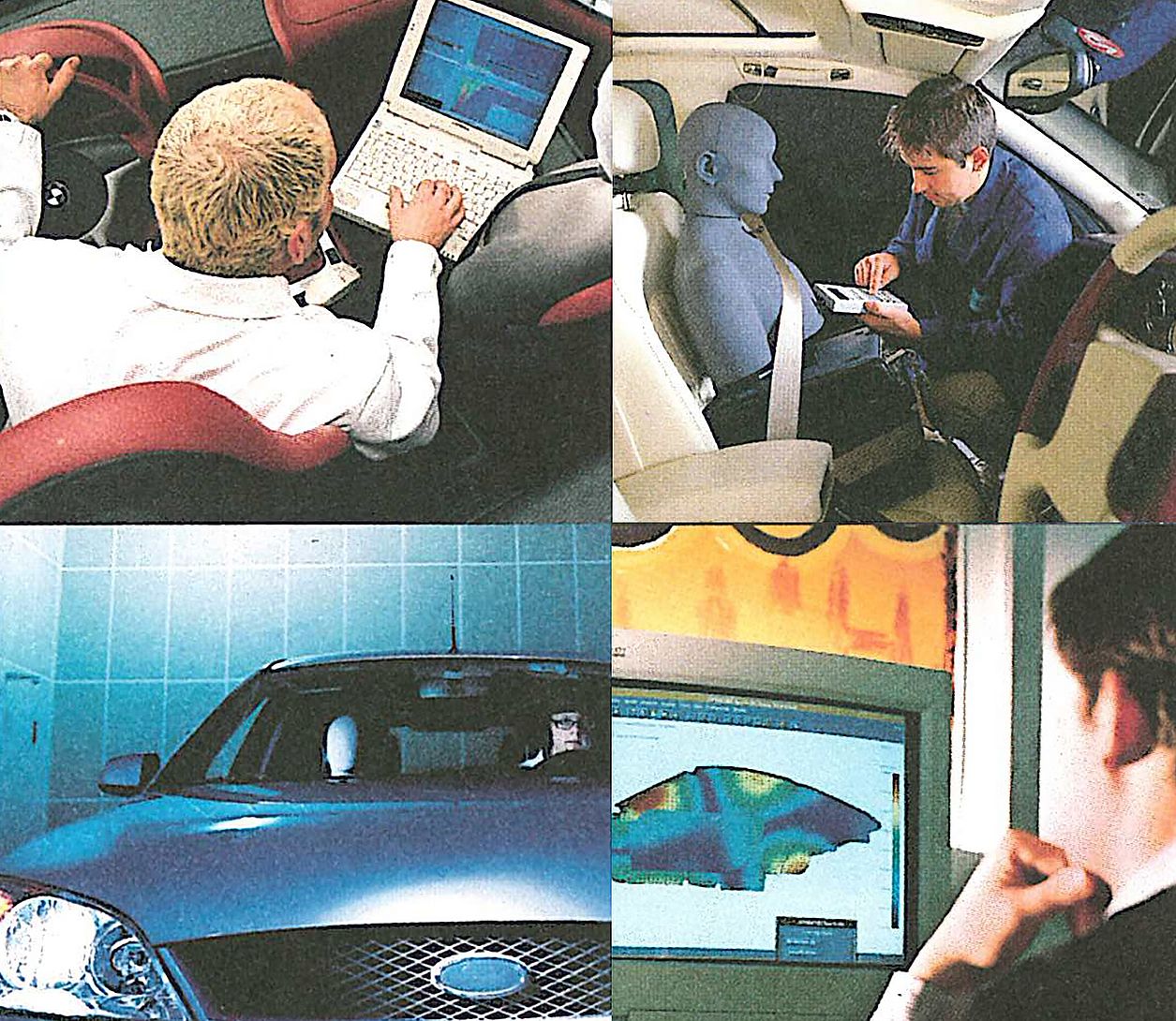
Rieter Automotive boosts know-how internally and through acquisition
Rieter works on new applications of the successful Rieter Ultra Light acoustic system. Computer-aided acoustic simulation and virtual engineering are also promoted. With a majority stake in the Italian I.DE.A Institute, Rieter boosts its know-how in automotive design.
Enron scandal leads to stricter regulations
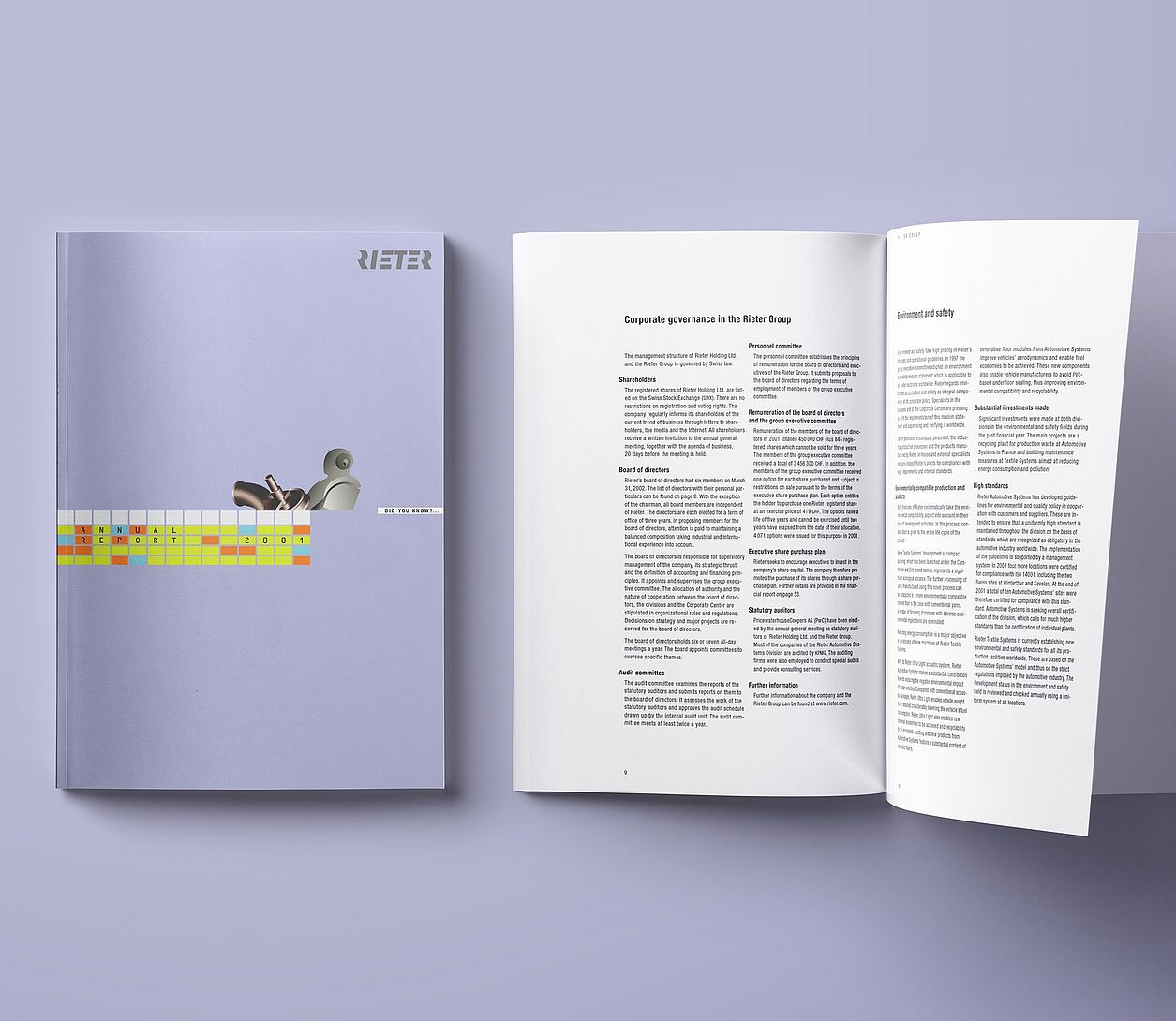
Rieter Group meets stricter reporting requirements
For the first time, Rieter publishes a separate chapter on corporate governance in its annual report. As a result of the Enron scandal in the US, the stock exchange regulator and the capital market place significantly tougher demands on the reporting of listed companies to ensure proper corporate governance.
May 7, 2002
Hartmut Reuter becomes CEO

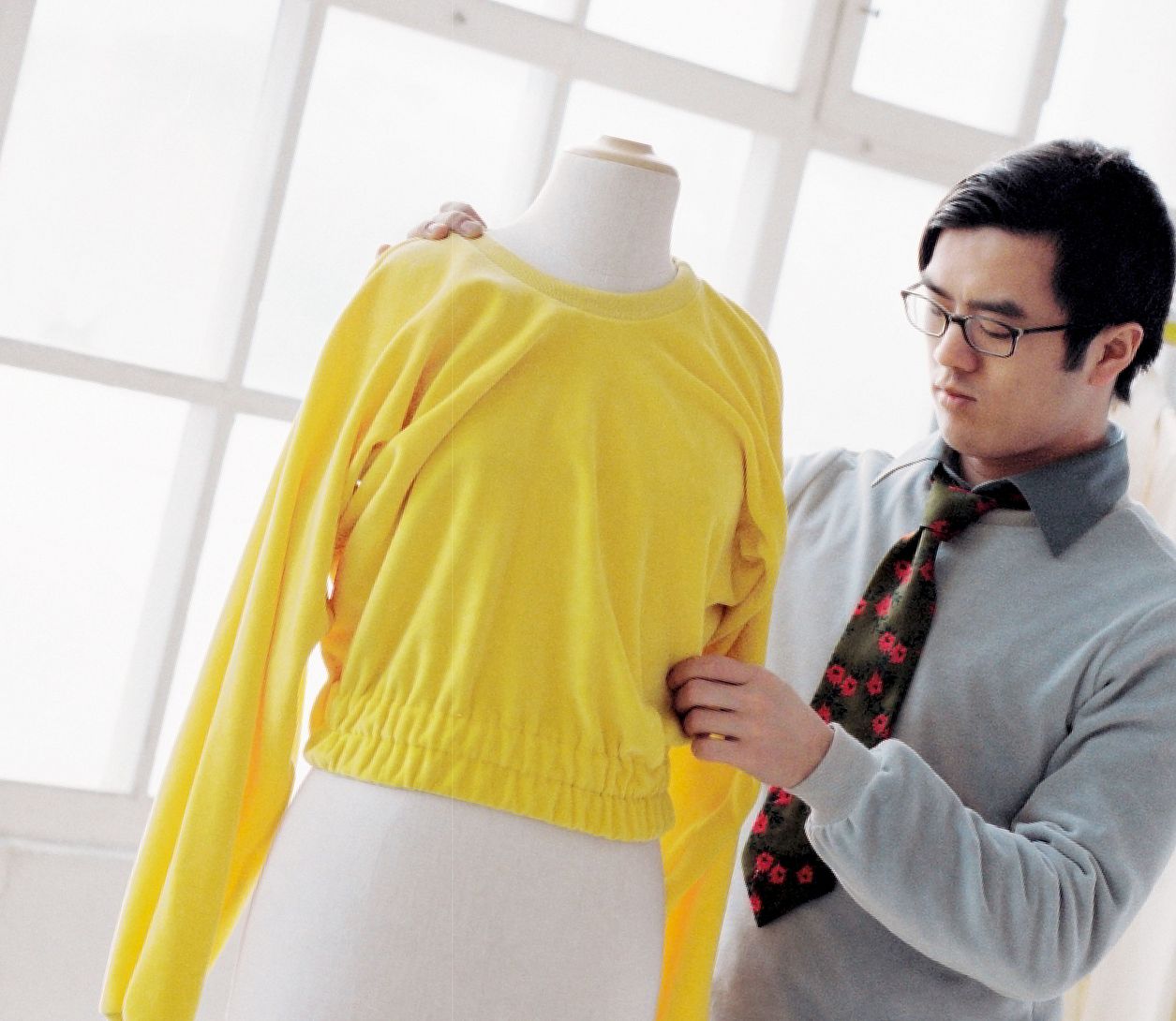
Rieter Textile: expansion of sales and production in China
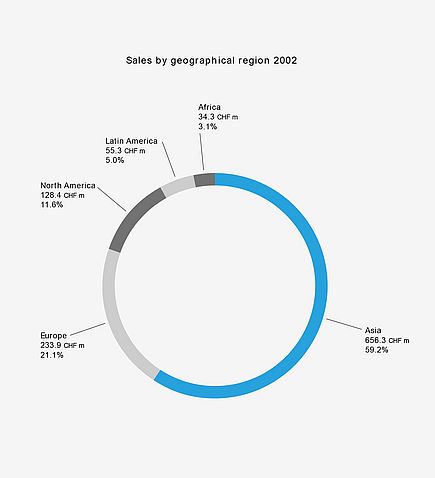
Rieter expands its sales company in Shanghai to better serve the important Chinese market. The plant in Changzhou is also expanded. Furthermore, Rieter opens a sales office in the west of the country, an important center of the Chinese textile industry.
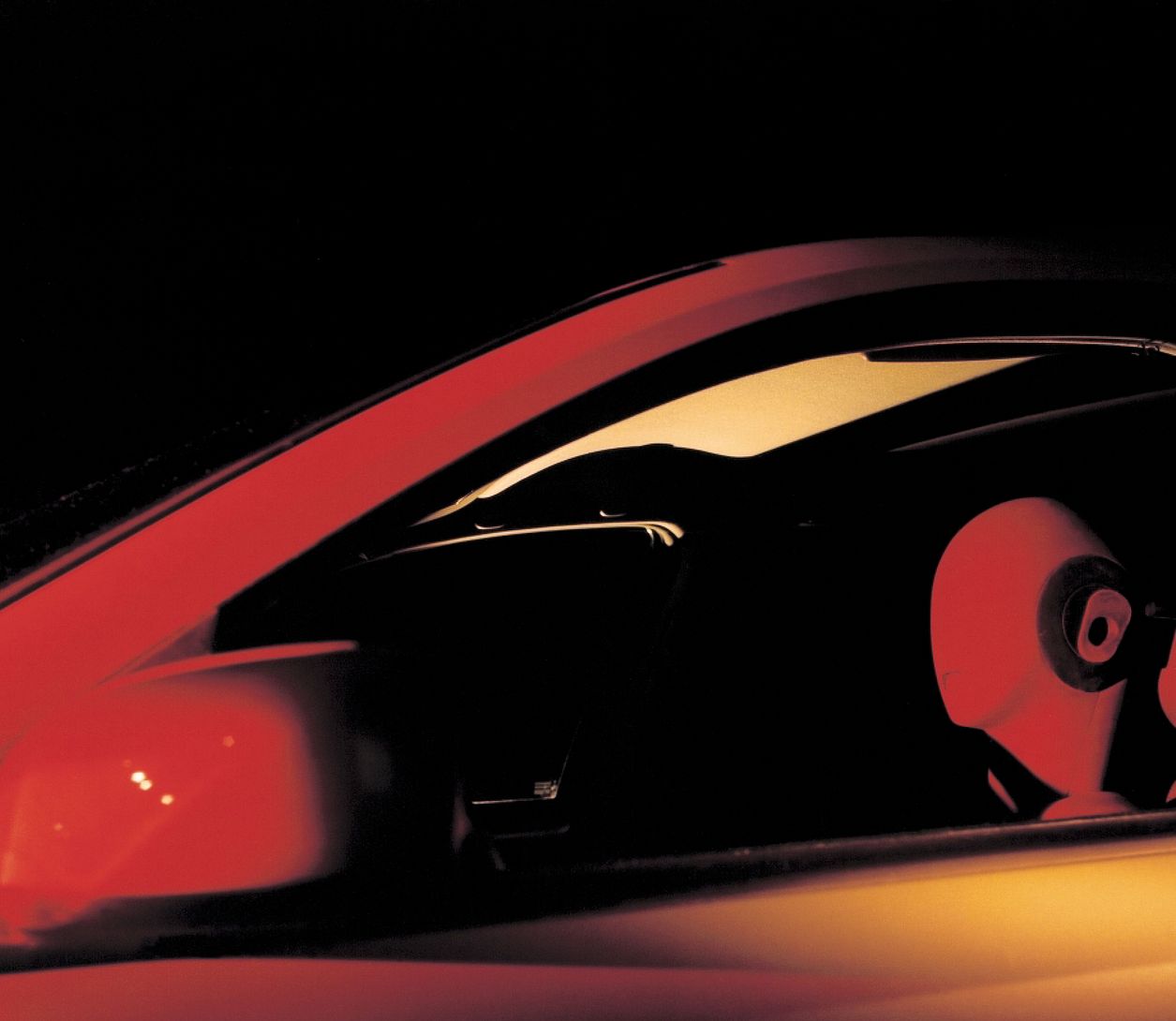
Rieter Automotive invests in further production facilities
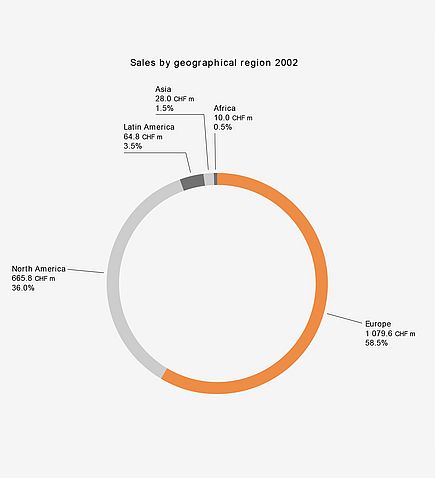
Together with its North American partners, Rieter opens a plant in Canada and builds a site in Tennessee. Rieter also increases its stake in a Spanish joint venture. In order to achieve further growth, Rieter must continuously invest in the expansion of existing plants and establishing new ones.

China: great desire for personal mobility
With the increasing prosperity of the Chinese population and a push for road construction, the demand for cars is rising sharply. In 2003, China becomes the world’s fourth-largest sales market for the automotive industry – after the USA, Japan and Germany.
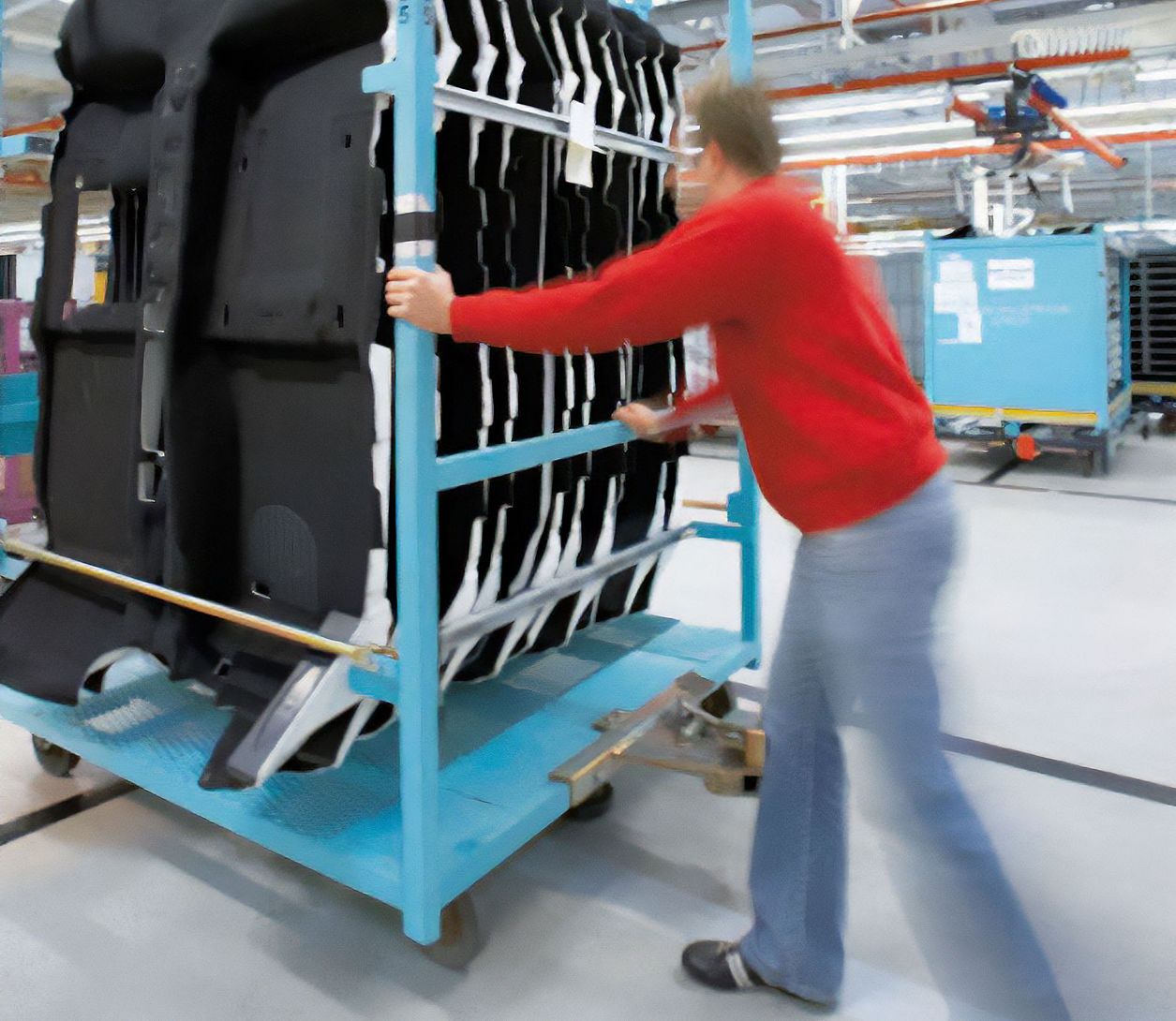
Rieter Automotive: innovation with recyclable materials
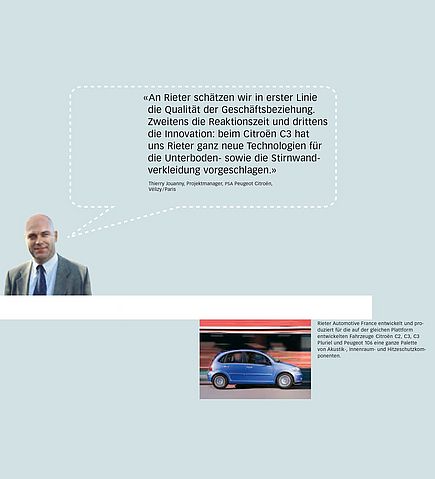
In Europe, a vehicle model equipped with an innovative Rieter roof liner is launched on the market in large quantities. It is made of 100% recyclable fibers. As the automotive industry demonstrates increasing demand for such materials, they become a focus of innovation at Rieter.
Rieter Group: solid financial basis for further growth
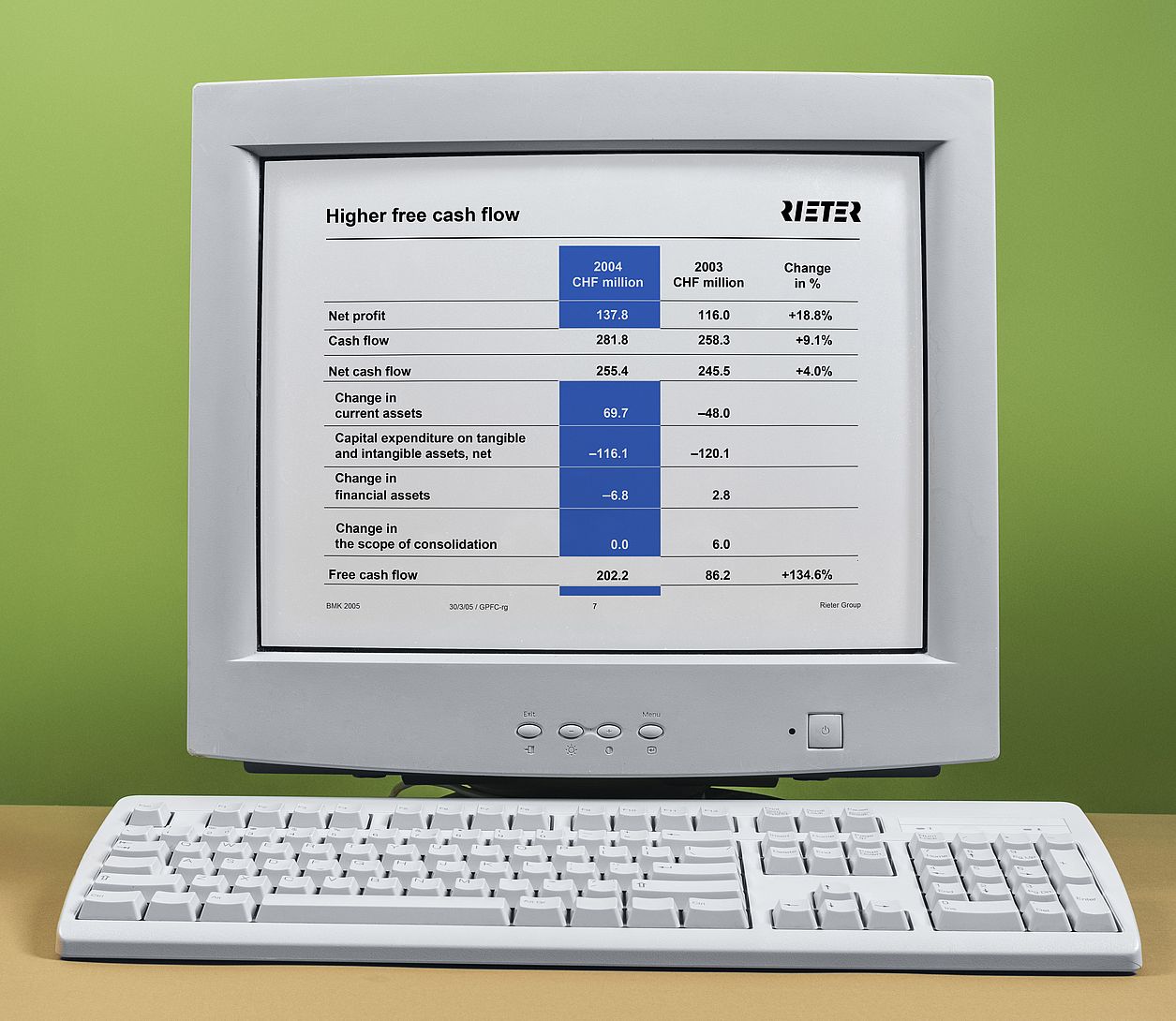
Rieter wants to continue to grow and generate good returns. This should primarily be achieved by internal efforts – through the success of attractive products. Equity ratio, net liquidity and a consistently solid cash flow facilitate acquisitions, which are nevertheless only made after careful consideration.
Rieter Textile: innovation and global presence fill the coffers
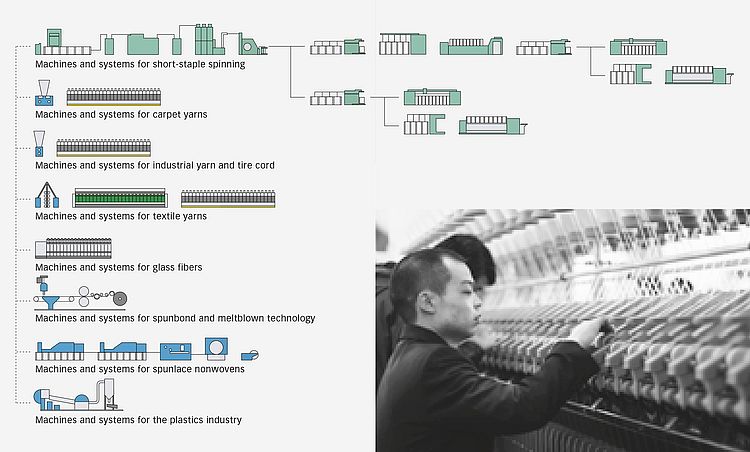
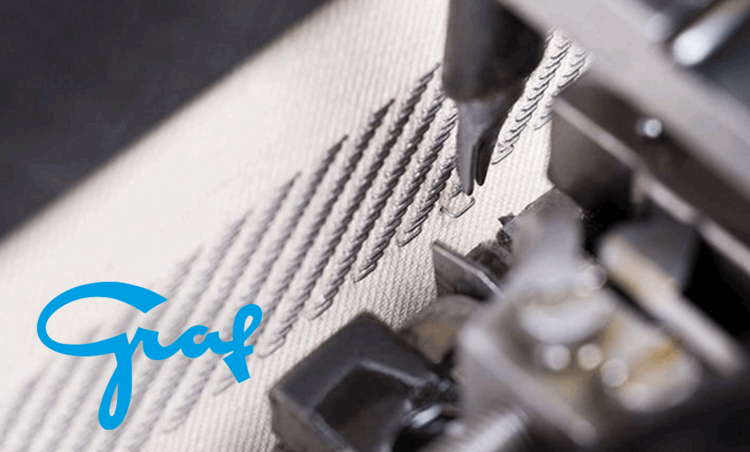
Rieter Textile completes strategically important components business
Rieter Textile boosts resilience to strong fluctuations in the market
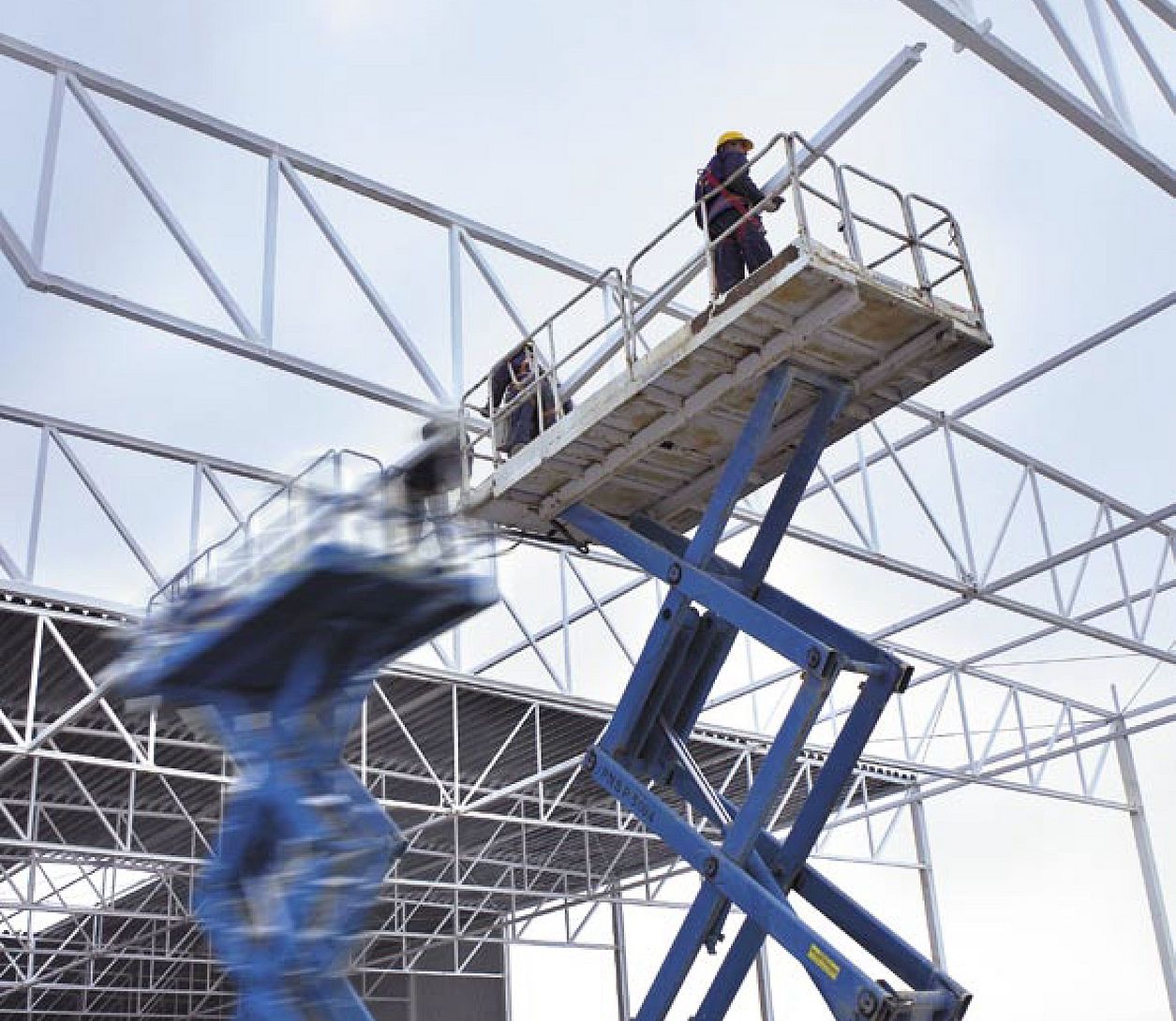
Rieter Automotive expands production in Eastern Europe
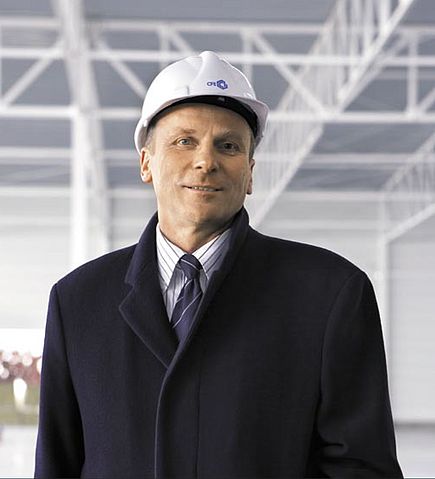
Rieter Automotive follows the car manufacturers to Eastern Europe and expands its existing production facilities in the Czech Republic. A second plant is about to open in Poland. The shift from west to east is due to cost reasons, but also attributable to the growing demand for cars in this region.
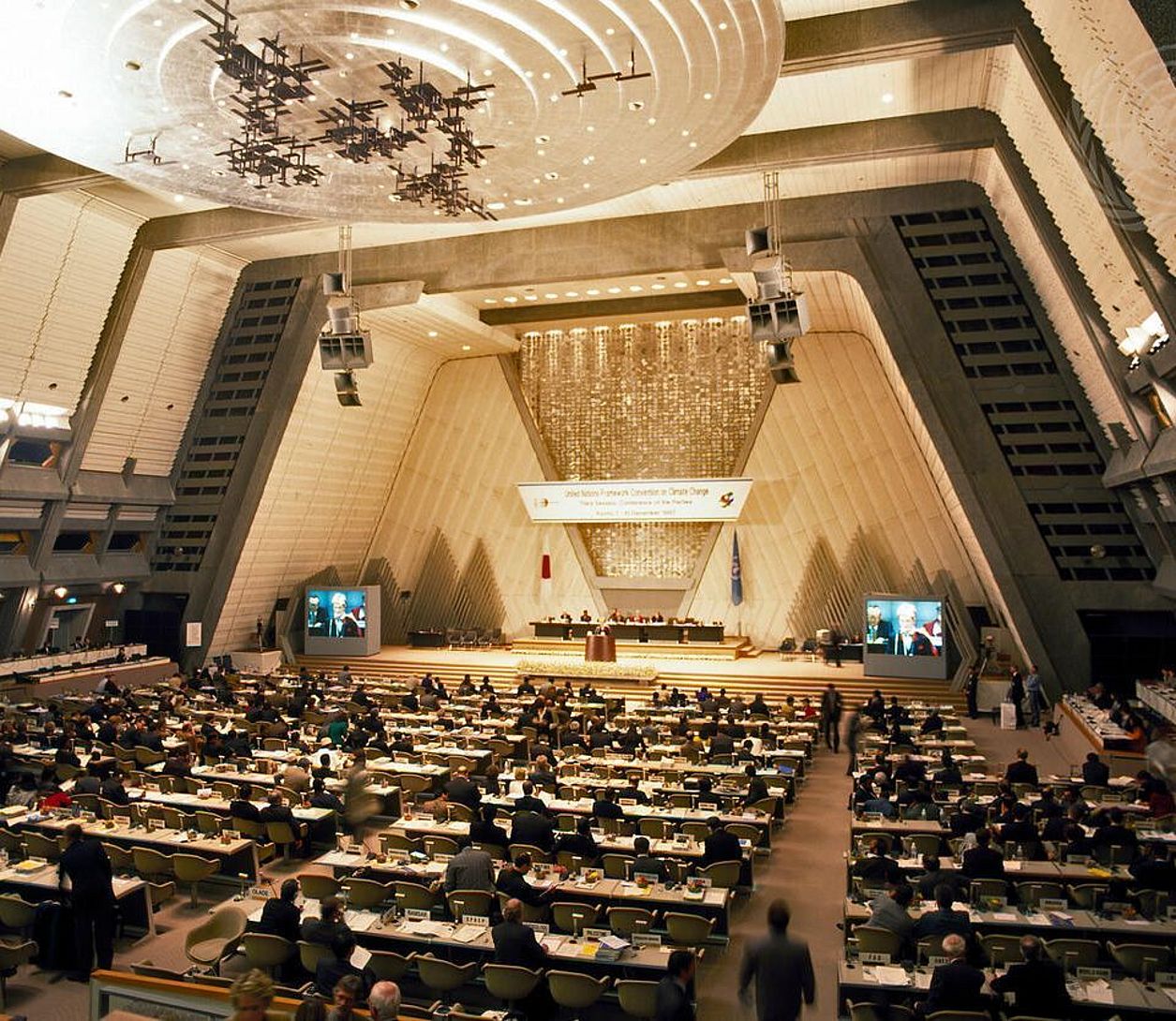
Kyoto Protocol raises awareness of greenhouse effect
The UN treaty, signed in Kyoto in 1997, enters into force in 2005 and obliges industrialized countries to reduce their greenhouse gas emissions. Regulations are tightened at regional level, including for the car industry.

Rieter Textile focuses on strategic strengths
Rieter has a strong portfolio of products for the three central processes of ring spinning, compact spinning and rotor spinning and is one of the global market leaders. Following a strategic review, Rieter decides to sell its existing synthetic fiber activities.
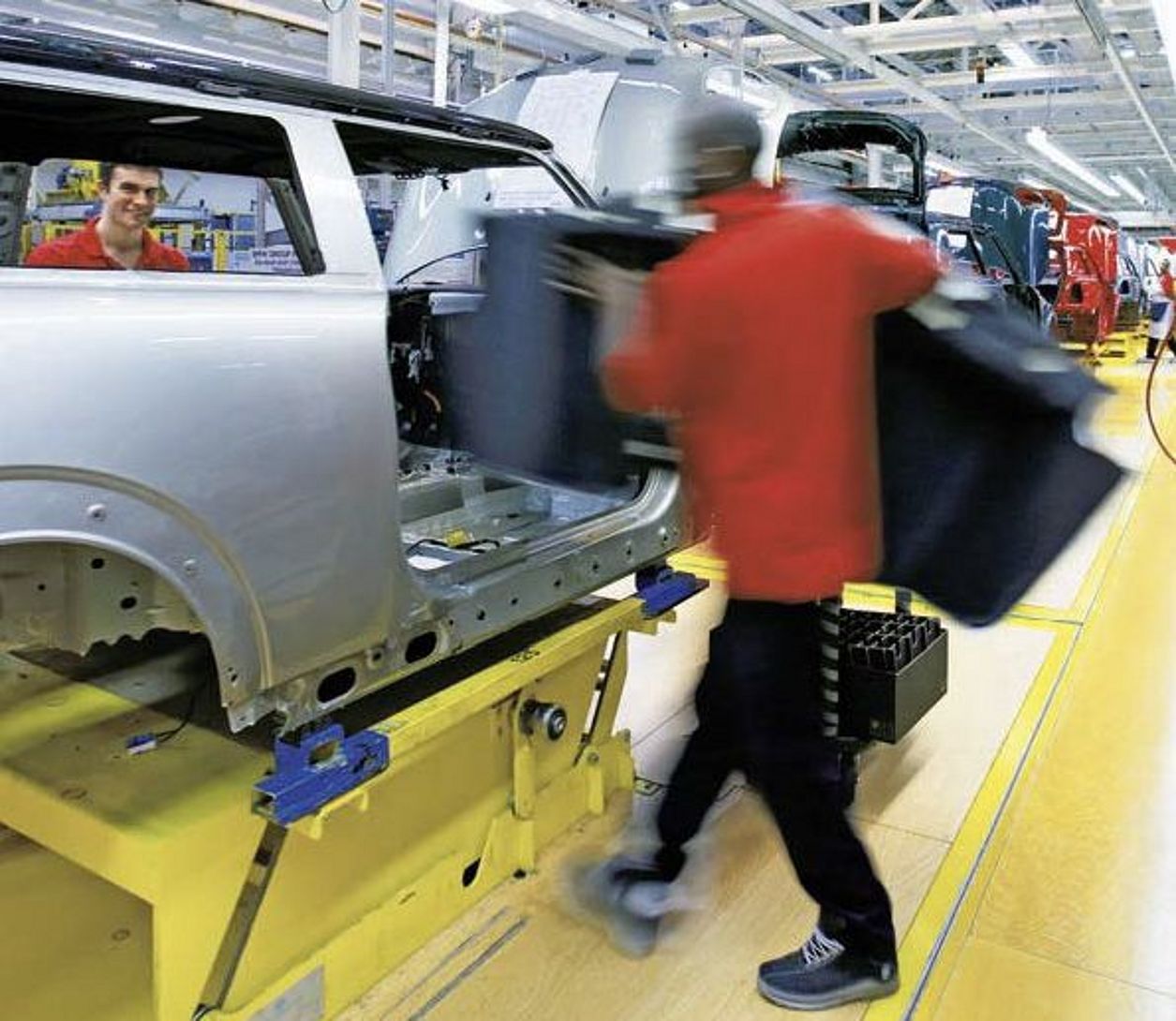
Rieter Automotive aligns production with emerging markets
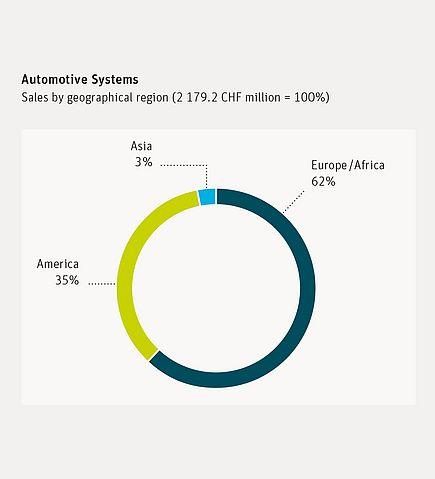
Automotive manufacturers demand low prices and a global presence from their suppliers. Rieter expects that future growth will mainly take place in Asia and Eastern Europe. While plants are being closed in North America, expansion progresses rapidly in Poland, Brazil, China and India.
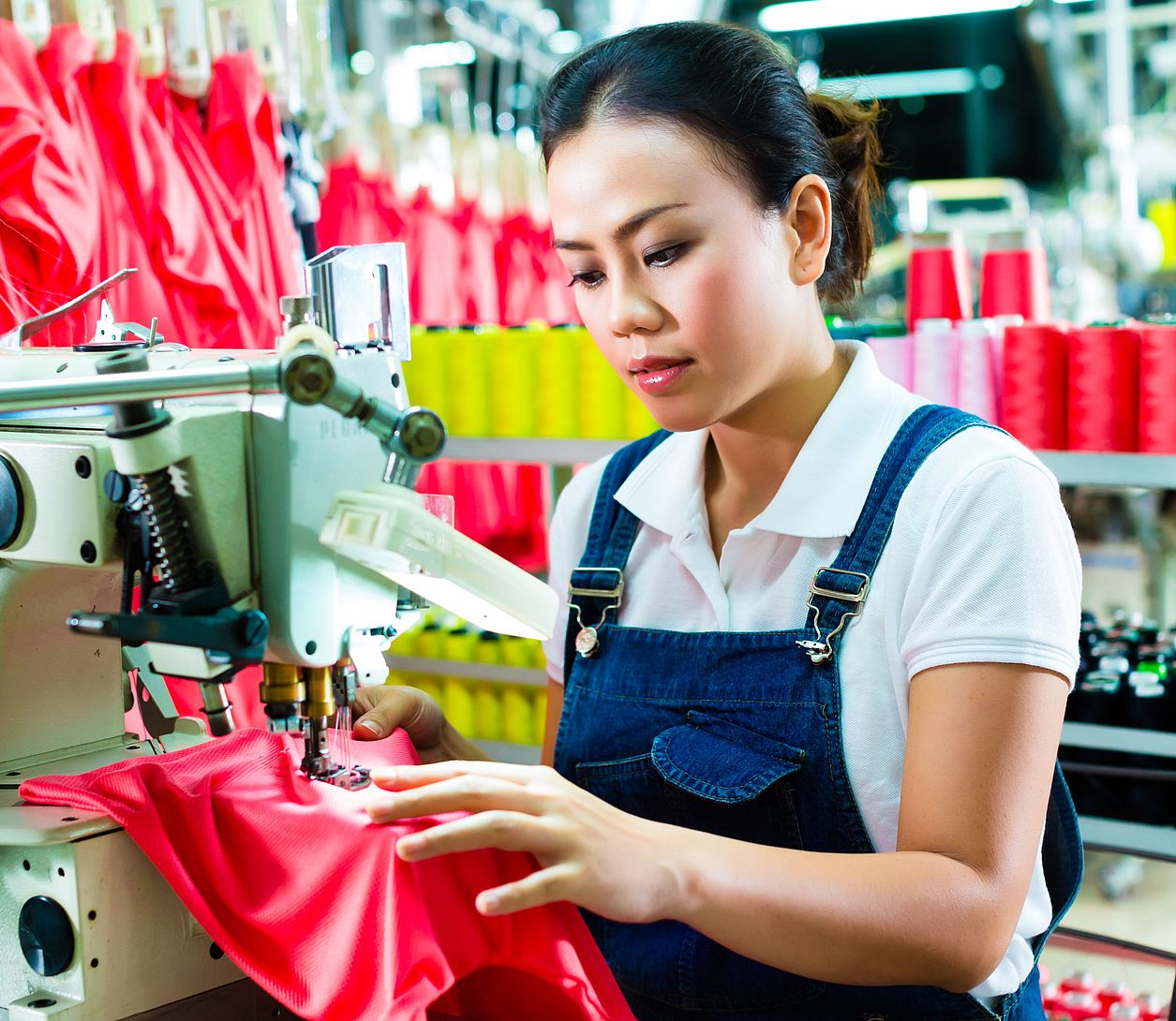
Prosperity and consumption are growing in China
China has positioned itself as one of the strongest exporting nations in the world, especially for textiles. With the growing purchasing power of the Chinese population, there is now significant domestic demand for clothing and home textiles, placing new demands on the industry.
Rieter Automotive continues to expand in Eastern Europe and Asia
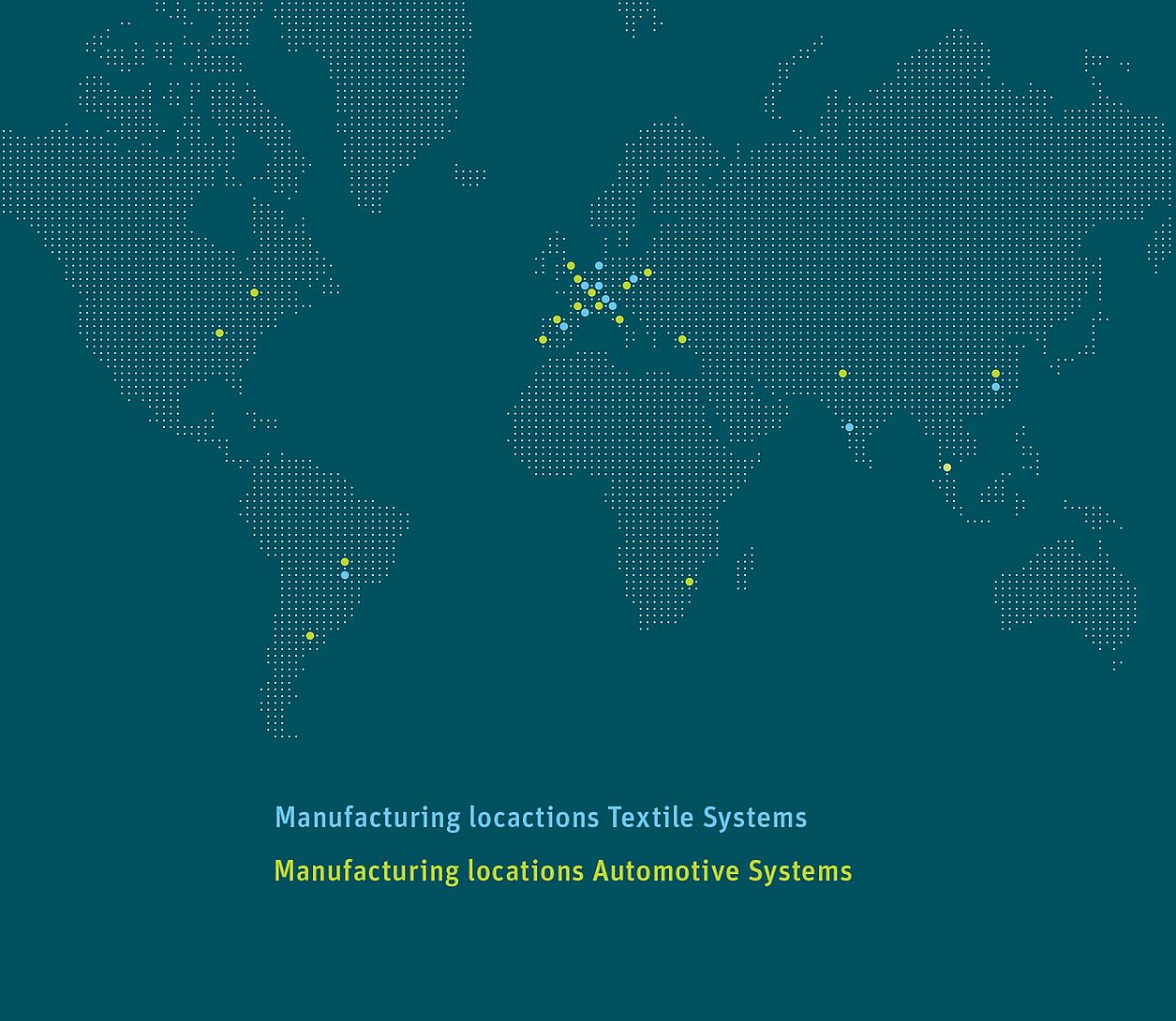
In line with its growth strategy, Rieter expands its location in Choceň, Czech Republic. Rieter opens its own plant in Chongqing, China. The two Chinese joint ventures that Rieter manages with Japanese company Nittoku are developing well. Rieter is now also gaining a foothold in South Korea.
Rieter Group: global downturn causes slump in both businesses
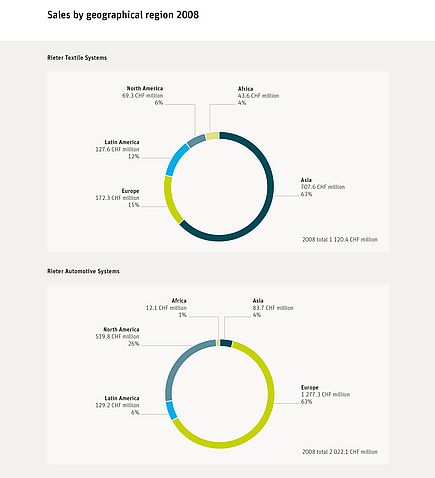
After a record year in 2007, Rieter has to cope with an unprecedented slump in demand due to the global financial and economic crisis. For the first time since Rieter entered the automotive supply business in 1984 to balance out the cycles of textile machinery, both businesses hit a low at the same time.
Rieter Automotive with groundbreaking new fiber technology

The fiber-based technology Rieter Ultra Silent offers a unique benefit: due to the very low weight of the sound-insulating components, the CO2 emissions of vehicles are significantly reduced. The first underbody paneling using Rieter Ultra Silent goes into series production on time.
May 8, 2008
Chairman of the Board of Directors passes the baton

September 15, 2008
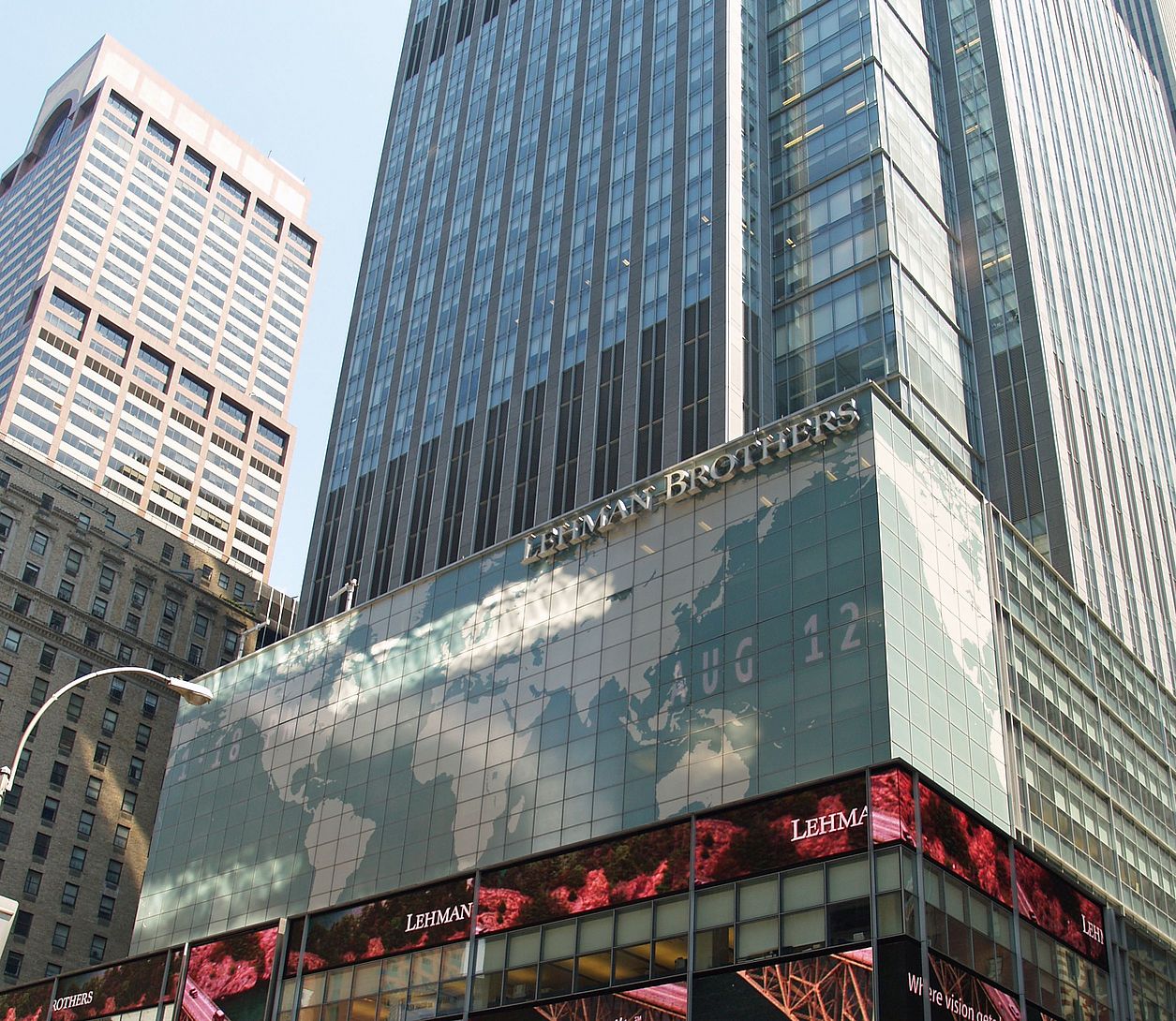
Insolvency of US bank Lehman Brothers triggers global crisis
The prestigious investment bank, one of the largest in the world, has taken huge gambles in the real estate sector. Its bankruptcy triggers a dangerous global crisis of confidence among banks. As a result, far fewer loans are granted to companies. The financial crisis turns into an economic crisis.
April 29, 2009
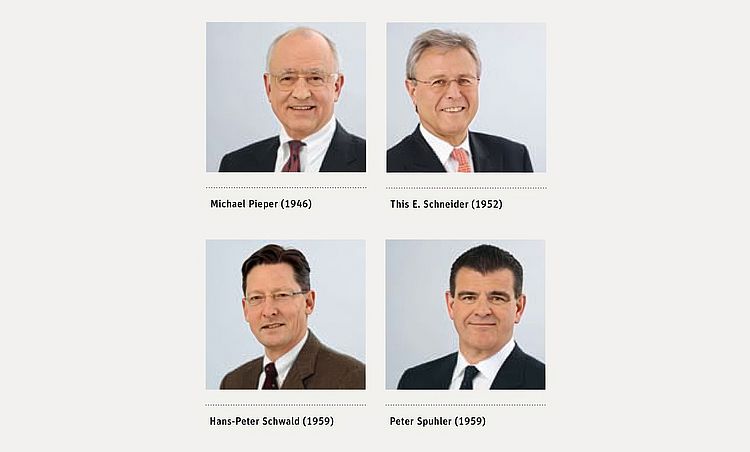
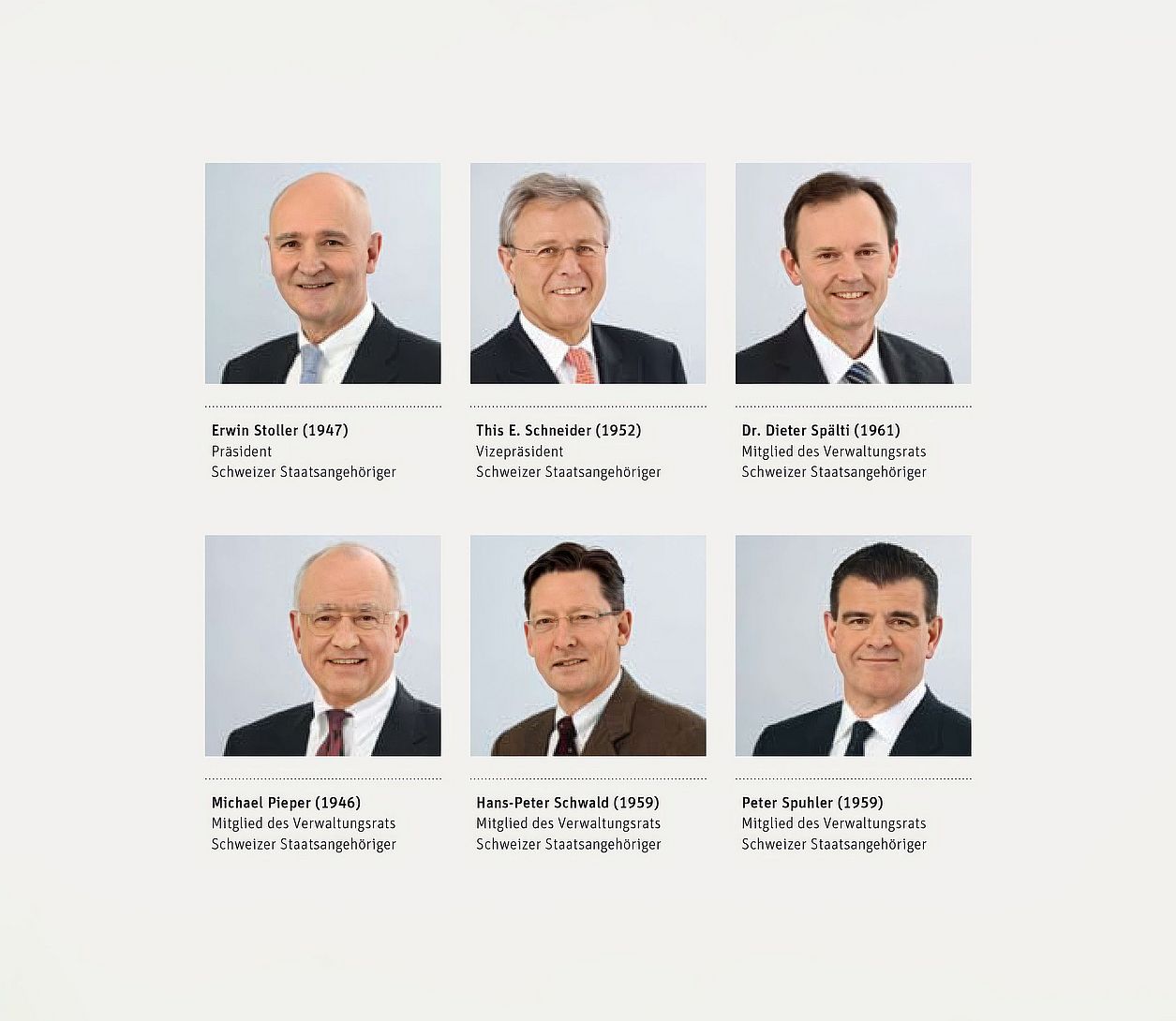
AGM elects industrial investors to the Board of Directors
August 2009
Change in the Group’s top management
Due to the difficult economic environment, Erwin Stoller, Chairman of the Board of Directors, also takes over operational management. In doing so, the Board of Directors assumes greater responsibility and shortens decision-making processes. Hartmut Reuter, CEO since 2002, departs with the company’s thanks.
Rieter Textile: localized products for India and China
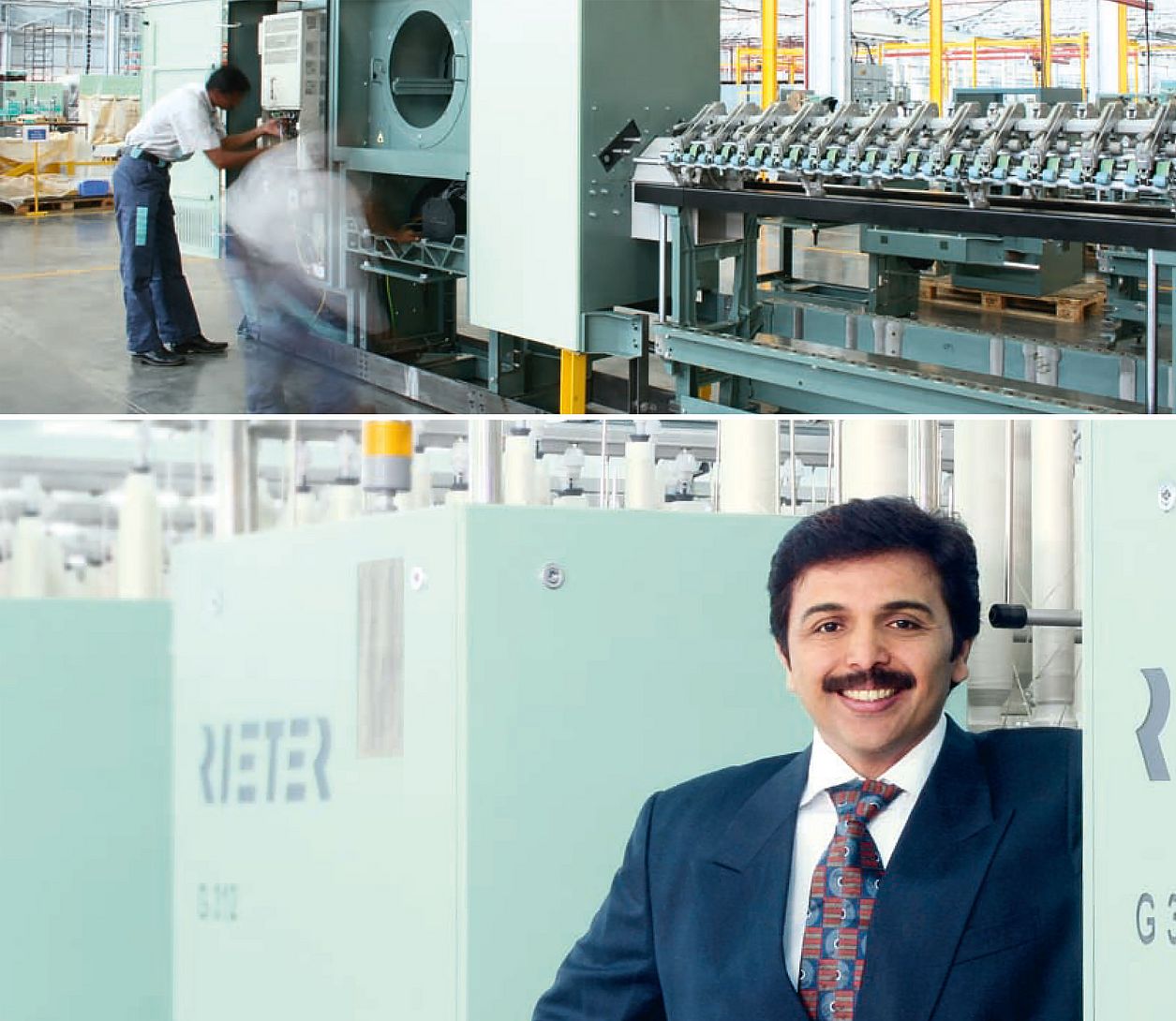
Despite cost-saving measures, Rieter pushes ahead with innovations for growth markets. For example, Rieter launches a ring spinning machine that is manufactured in India for the domestic market. The production of a fiber cleaning machine is set up successfully in China and used as a model for further localization processes.
Rieter Textile: innovative air-jet spinning machine J 10 is launched
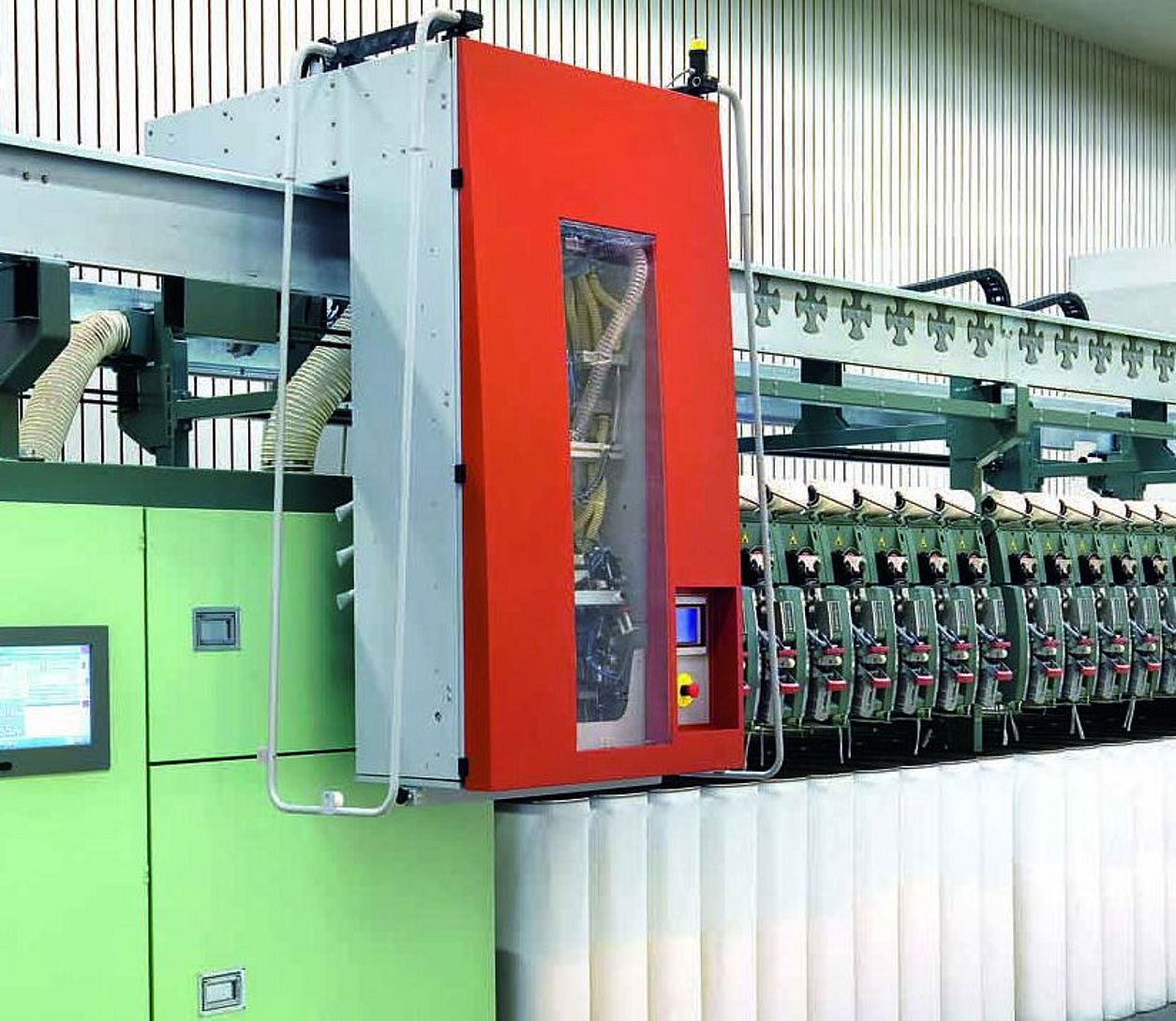
The air-jet spinning process enables a new yarn structure – attractive for processing and the final textile product. It is the most productive of all spinning technologies, with relatively low energy requirements. Rieter now offers four spinning technologies: ring, compact, rotor and air-jet spinning.
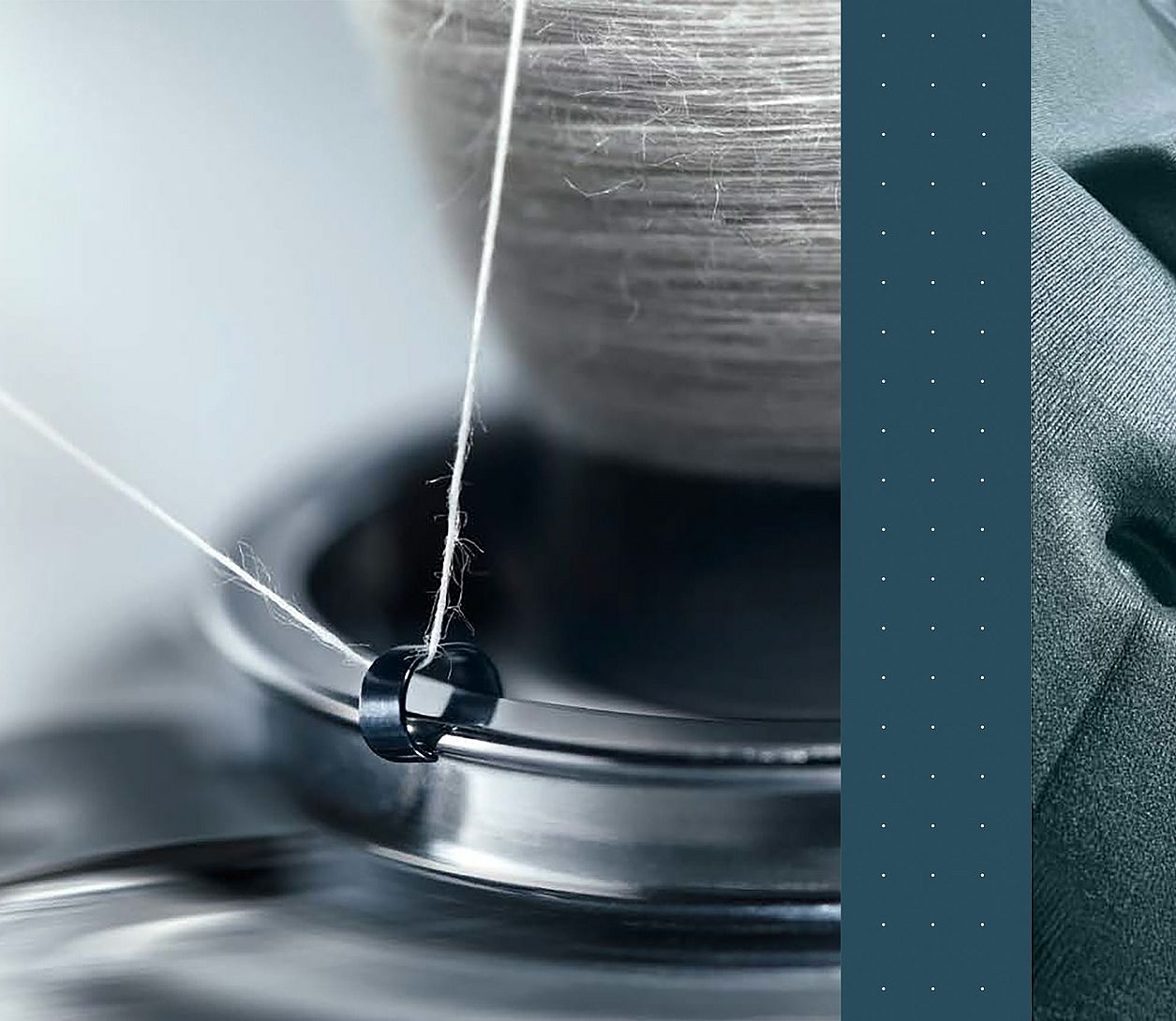
Successfully capitalizing on the upswing with attractive products
After two years in a very difficult environment, Rieter returns to profitability with a marked improvement in business performance sooner than forecast. Both divisions have positioned themselves well with a range of innovations and established products to capitalize on the upswing in their respective markets.
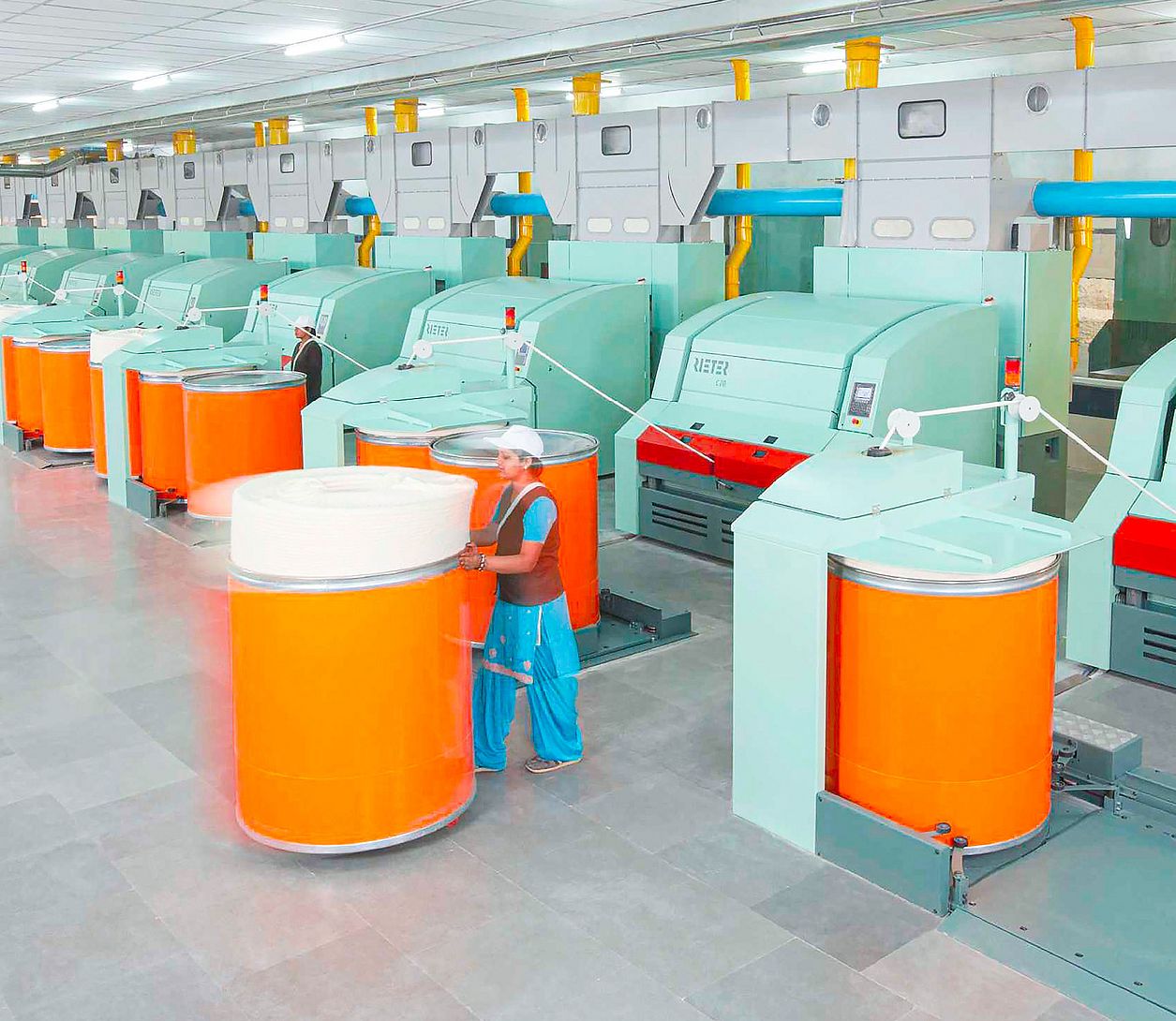
Rieter Textile: boom in orders and advantageous cost structure
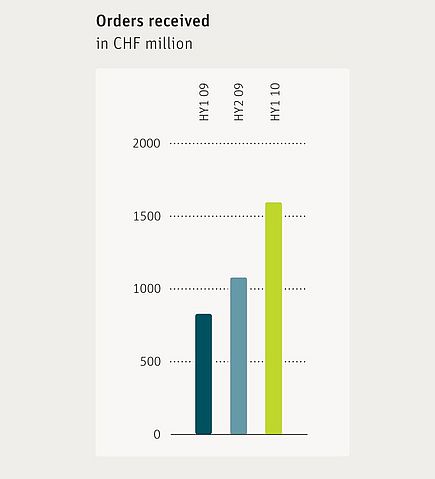
With the upswing on the global market, Rieter achieves a boom in orders. After the two years of crisis, Rieter is even better able to handle market fluctuations. Greater efficiency and the production sites in Eastern Europe and Asia enable a more favorable cost structure.
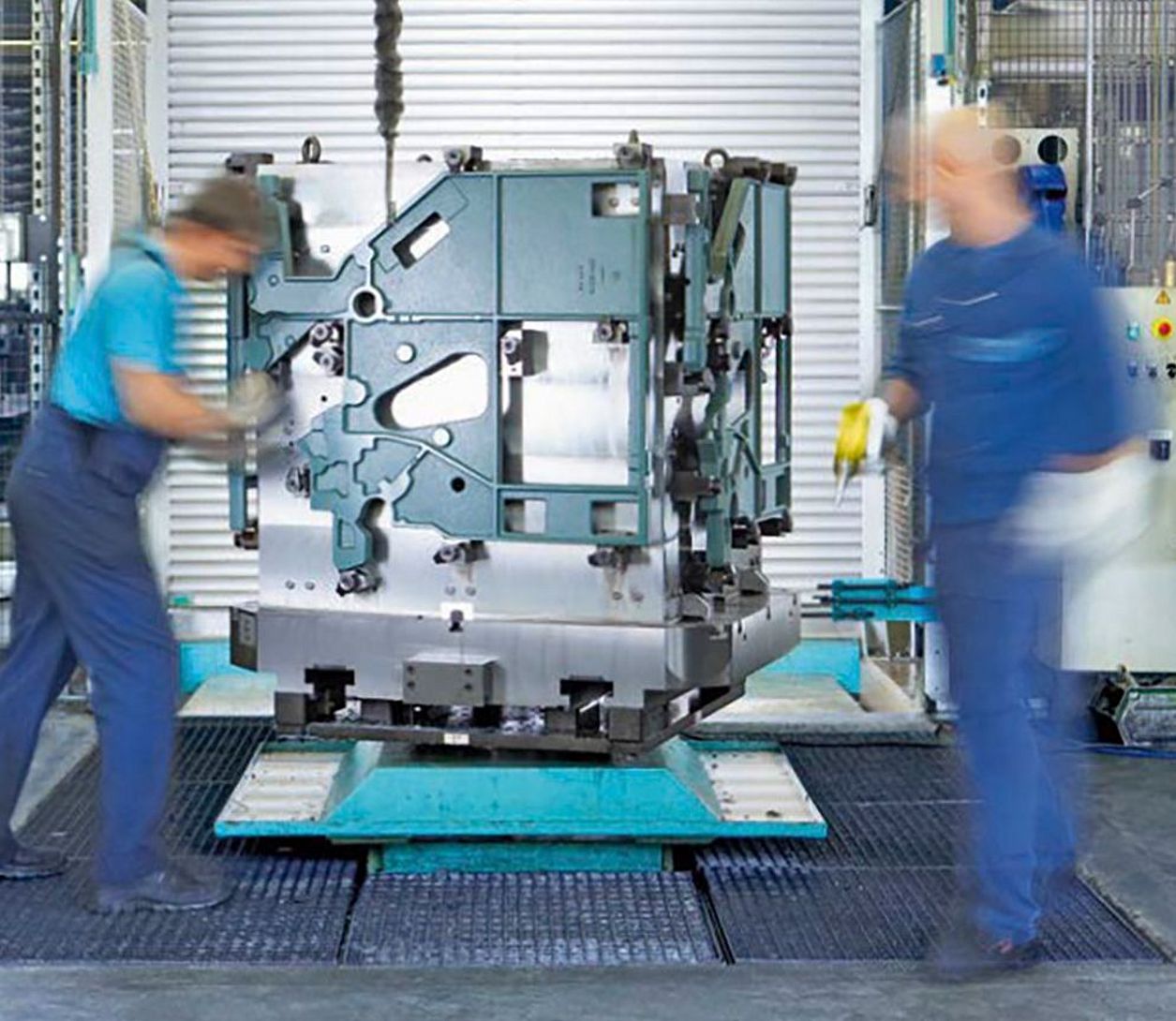
Flexible working time models for a cyclical industry
Having a variety of working time models is a decisive factor in overcoming an economic downturn, but also the current sharp upswing. With the increase in orders, Rieter first abolishes short-time working and later relies on the commitment of temporary employees.
April 13, 2011
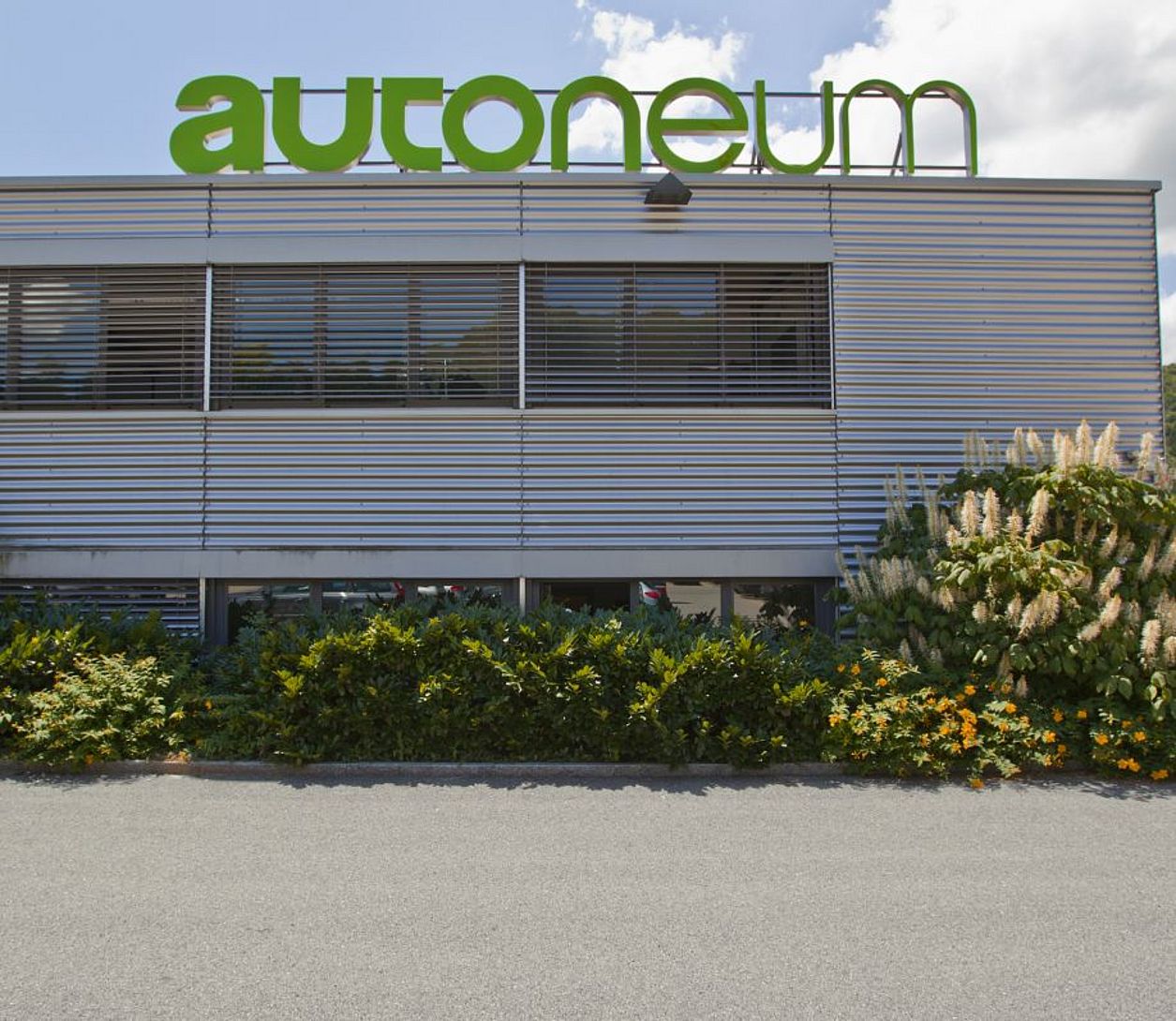
Historic course set: the Rieter Group is to be split up
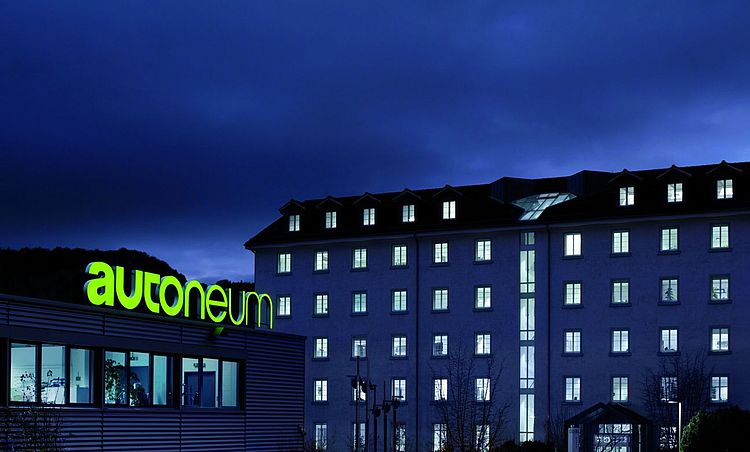
Companies that focus on one industry are more efficient to run and better accepted on the capital market than diversified ones like Rieter. The shareholders approve the Board of Directors’ proposal to split up the Group and list the automotive supply business separately on the stock exchange – under the name Autoneum.
May 13, 2011
Successful start for Rieter and Autoneum
ITMA in Barcelona: machinery and component innovations
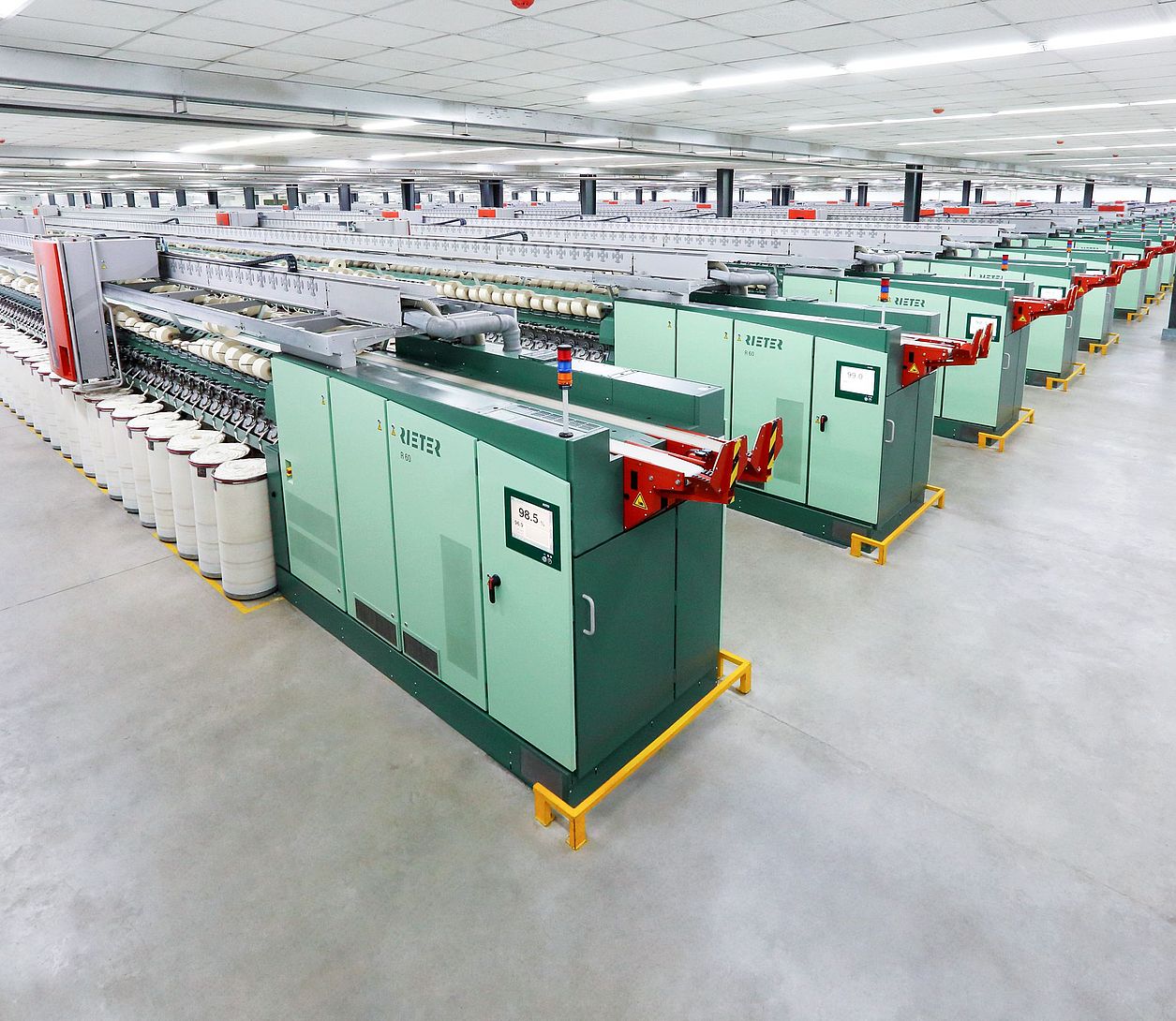
At the ITMA in Europe, the biggest trade fair in the industry, Rieter presents new products that are key to the spinning process. Optimum productivity, energy efficiency, good utilization of raw materials and a wide range of yarn properties for further processing and textile end products are in demand on the market.
Pleasing business performance, investment program brings success
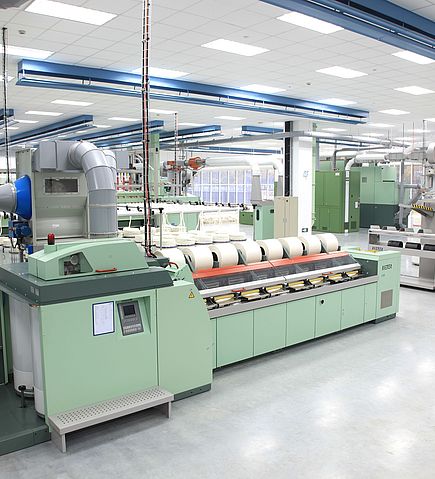
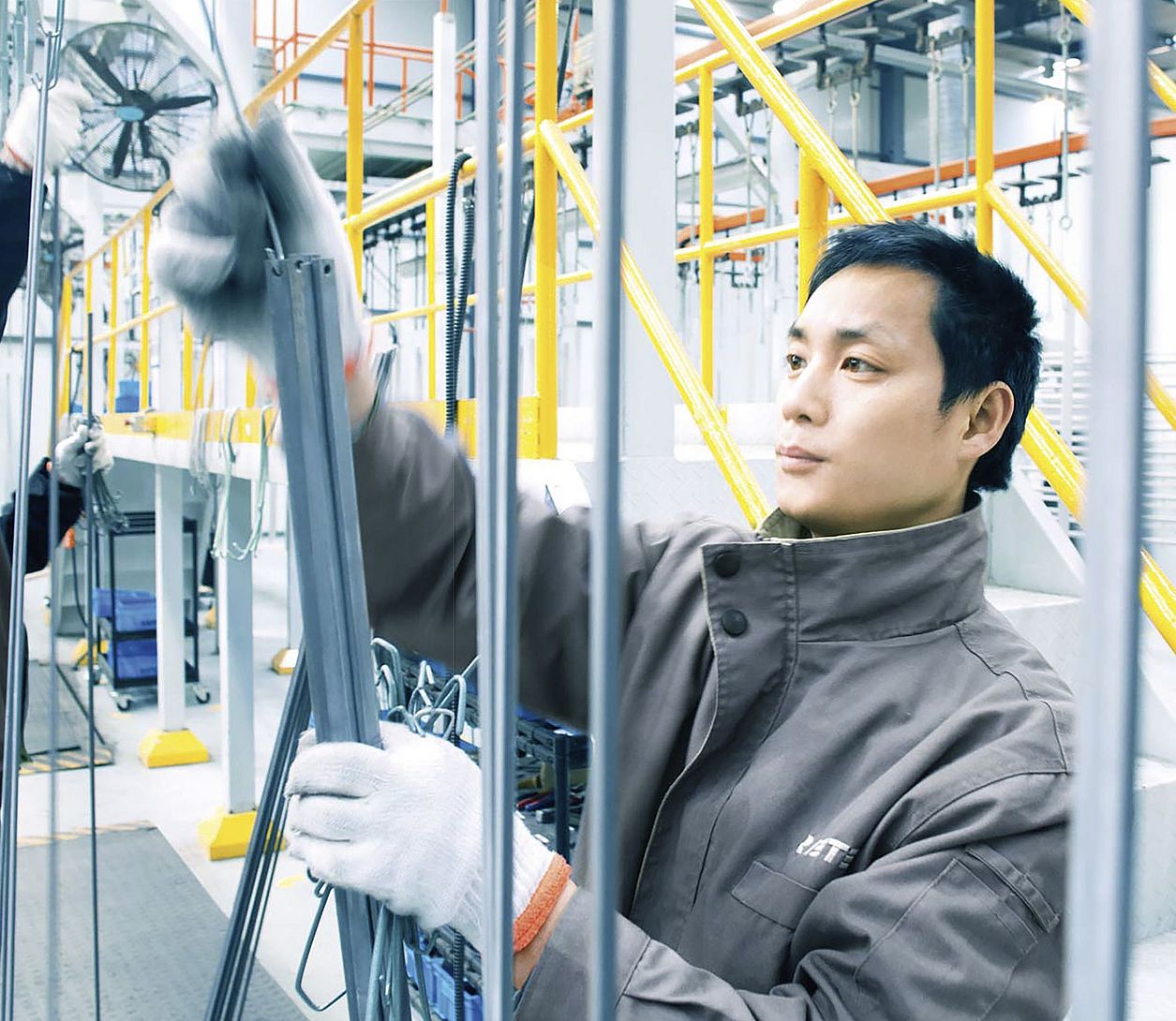
Rieter is flourishing: the company significantly increases orders, sales and earnings. With the program for further growth launched in the previous year, Rieter is clearly improving its position in the Asian markets and achieving further important targets. The program is close to completion.
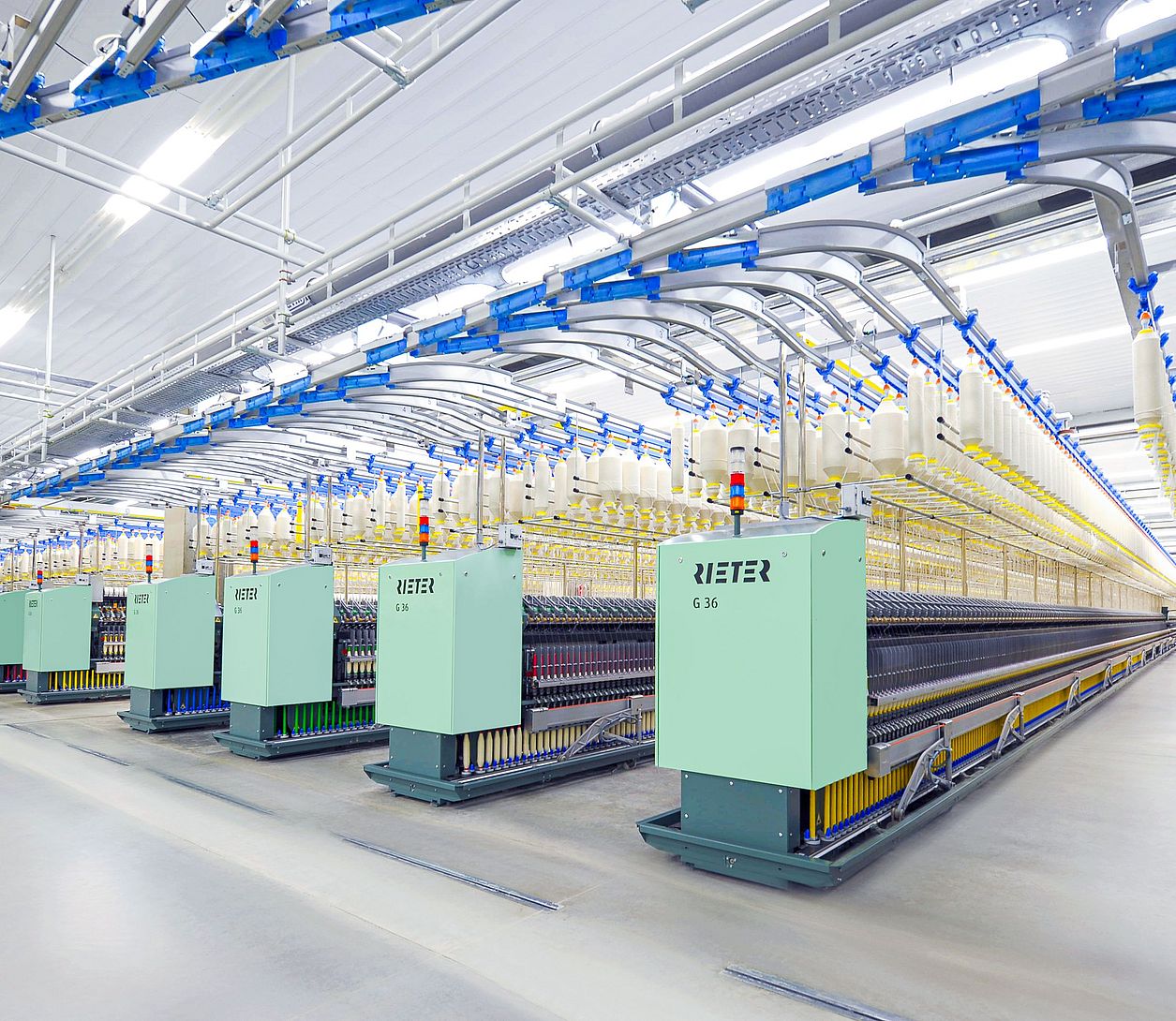
Investment program promotes new products and components
Targeted investments in 2012 and 2013 boosted innovation. Rieter launches energy, automation and performance innovations for all stages of the spinning process. These strengthen the company’s competitive position – both for customers and for Rieter.
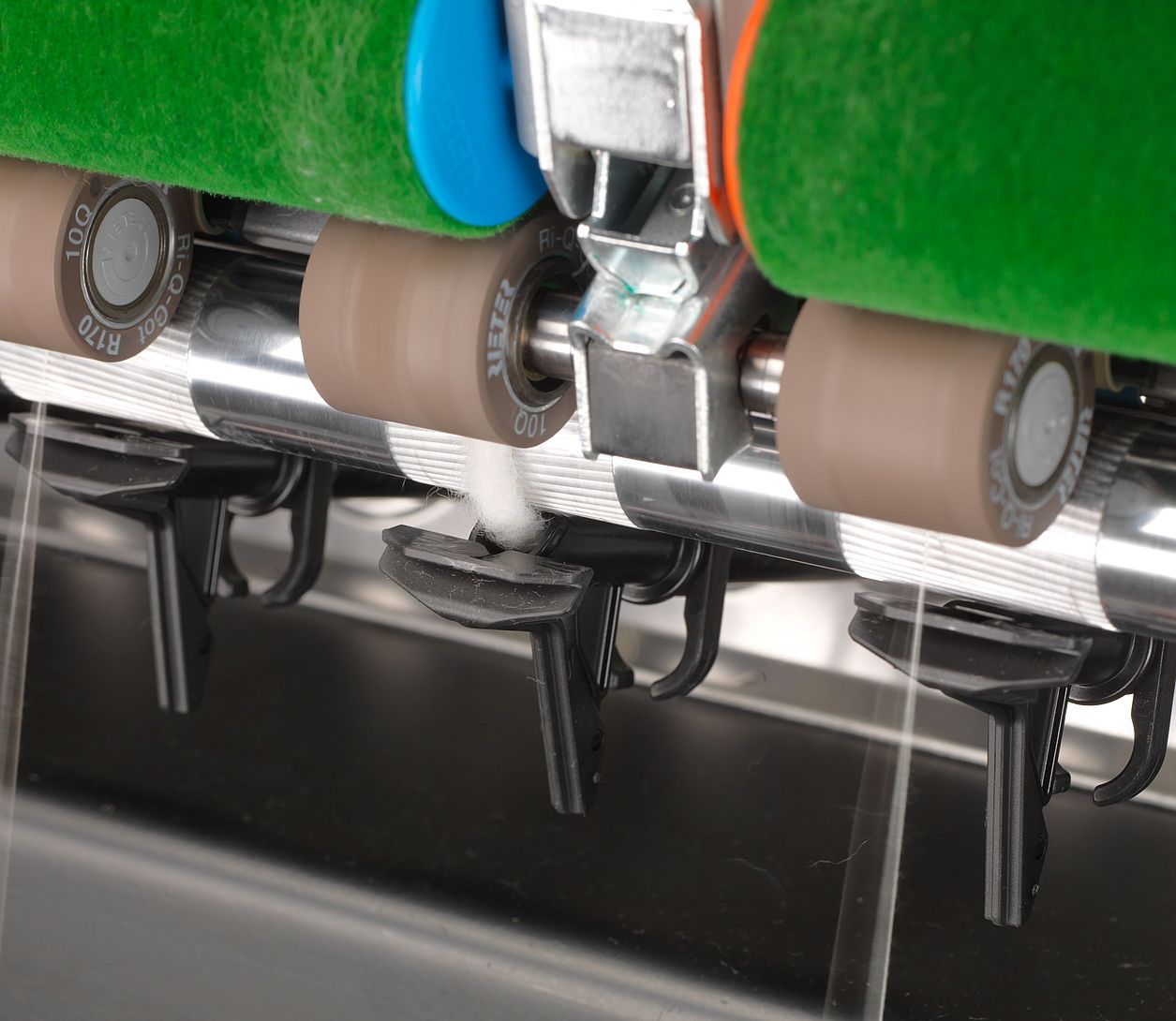
Spotlight on a component: hidden hero
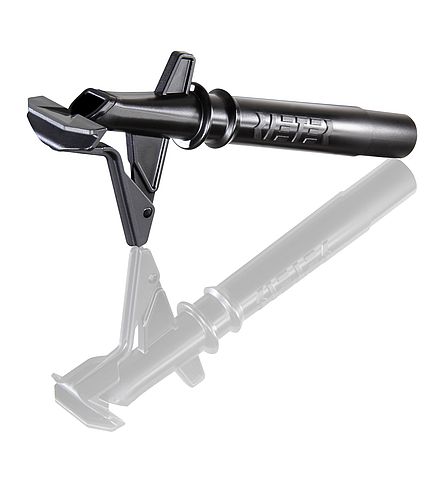
Rieter is awarded the «Watt d’Or» prize for the suction tube ECOrized. The Swiss government awards this innovation prize as a «quality seal for energy excellence». ECOrized, a key component for ring spinning machines, enables substantial savings in energy consumption.
New CEO sets new strategic targets
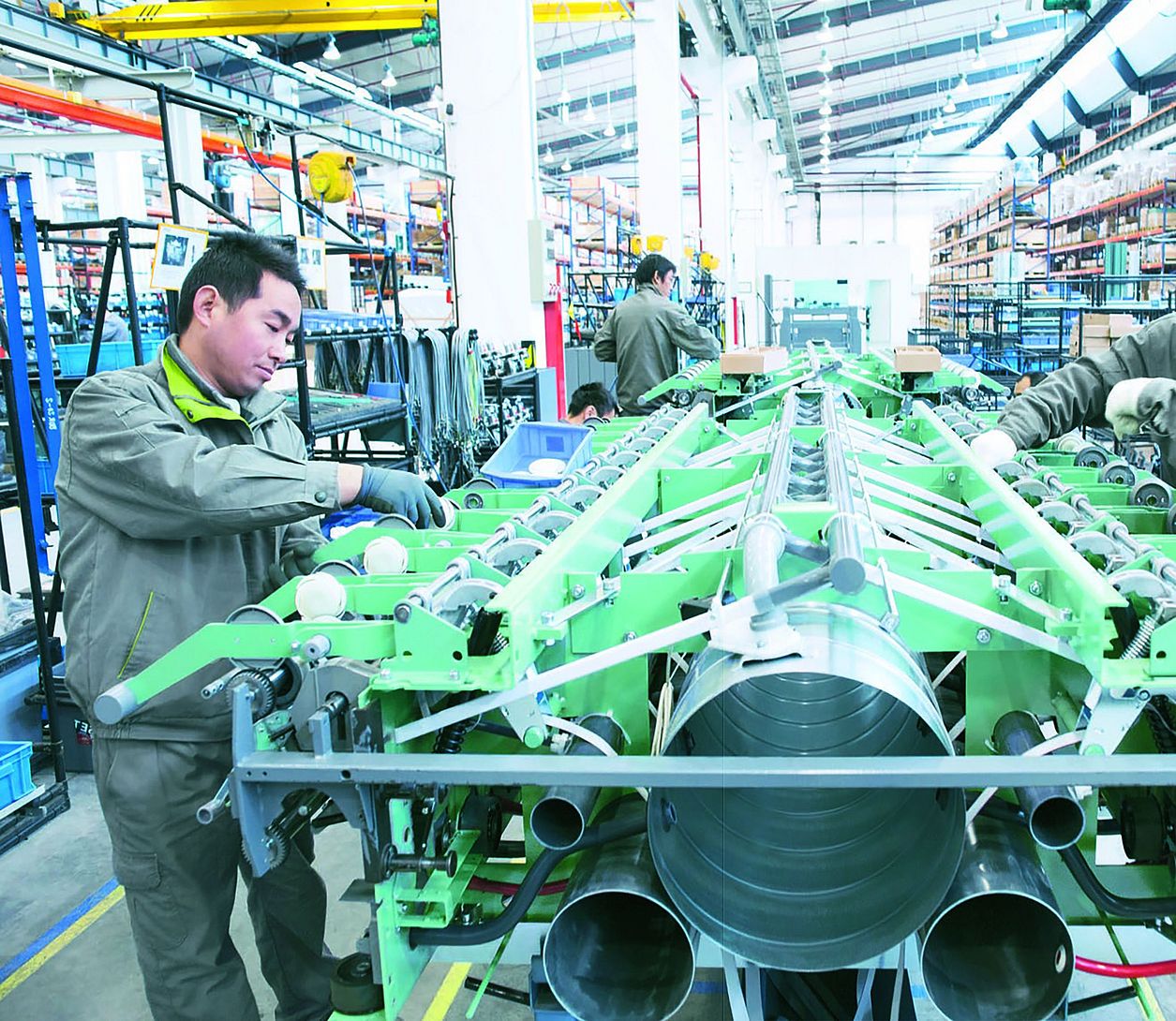
Record deliveries – made possible by production sites in Asia
Significantly supported by the expanded capacities in China and India, Rieter delivers a record volume of around 2.33 million spindle equivalents worldwide, about 20% more than in the previous year. This is driven by large integrated systems and new markets, as well as market launches of innovative systems.
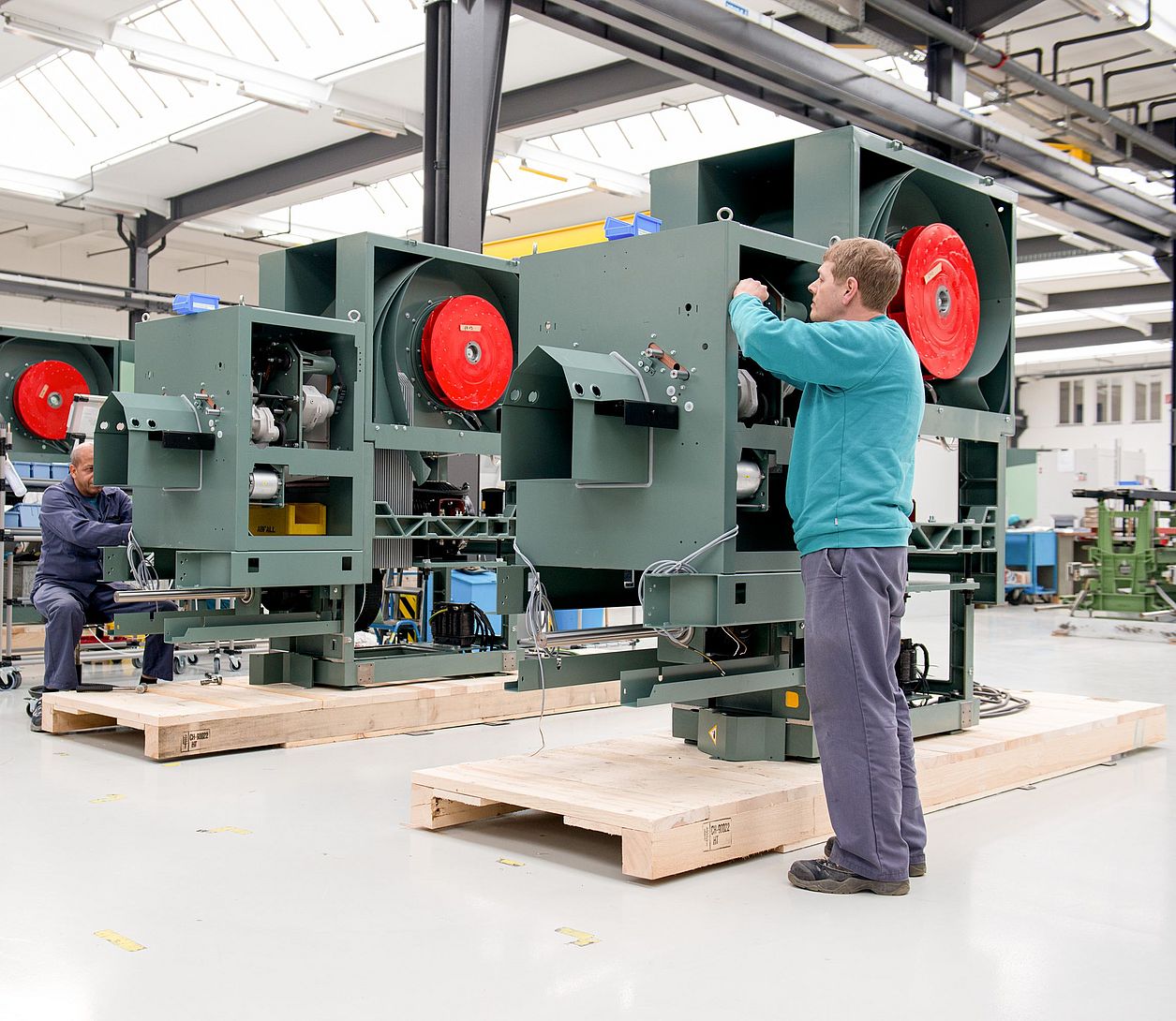
«Swiss franc shock» – drawback for Switzerland as an industrial center
The sudden appreciation of the Swiss franc causes the price of Swiss products to skyrocket for key sales markets. In order to reduce the export share and purchases in Swiss francs, Rieter aims to concentrate on the assembly of machinery in Winterthur.
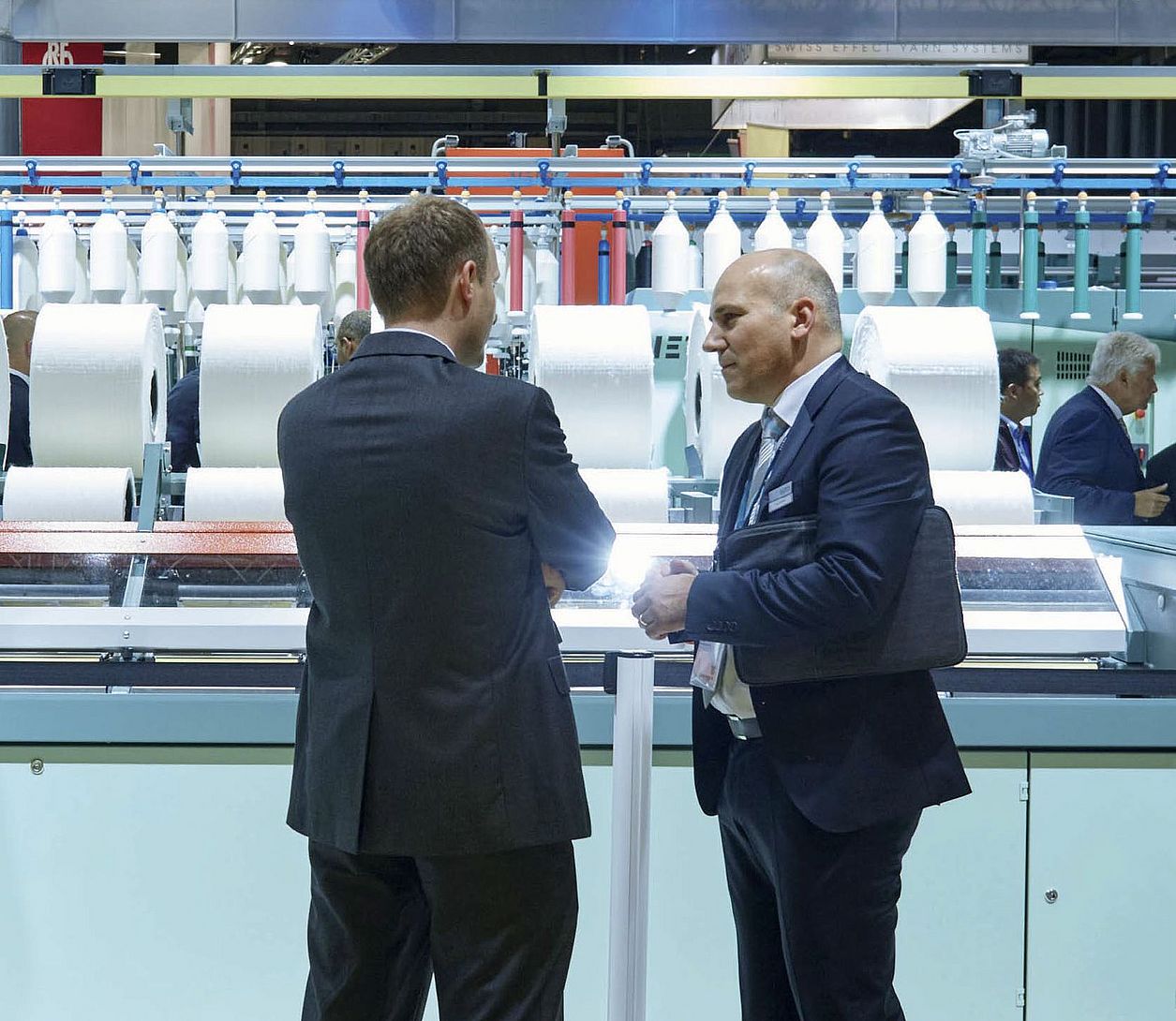
April 2015
First technology center in China – a key element of Rieter’s portfolio
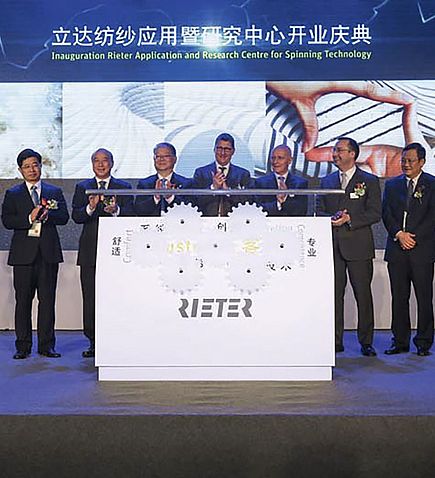
The first Rieter technology center in China is opened in Changzhou. The state-of-the-art spinning center facilitates activities such as spinning tests, training courses and technology trials. Customers in China and the surrounding markets can now benefit even more from Rieter’s leading know-how.
Oktober 2015
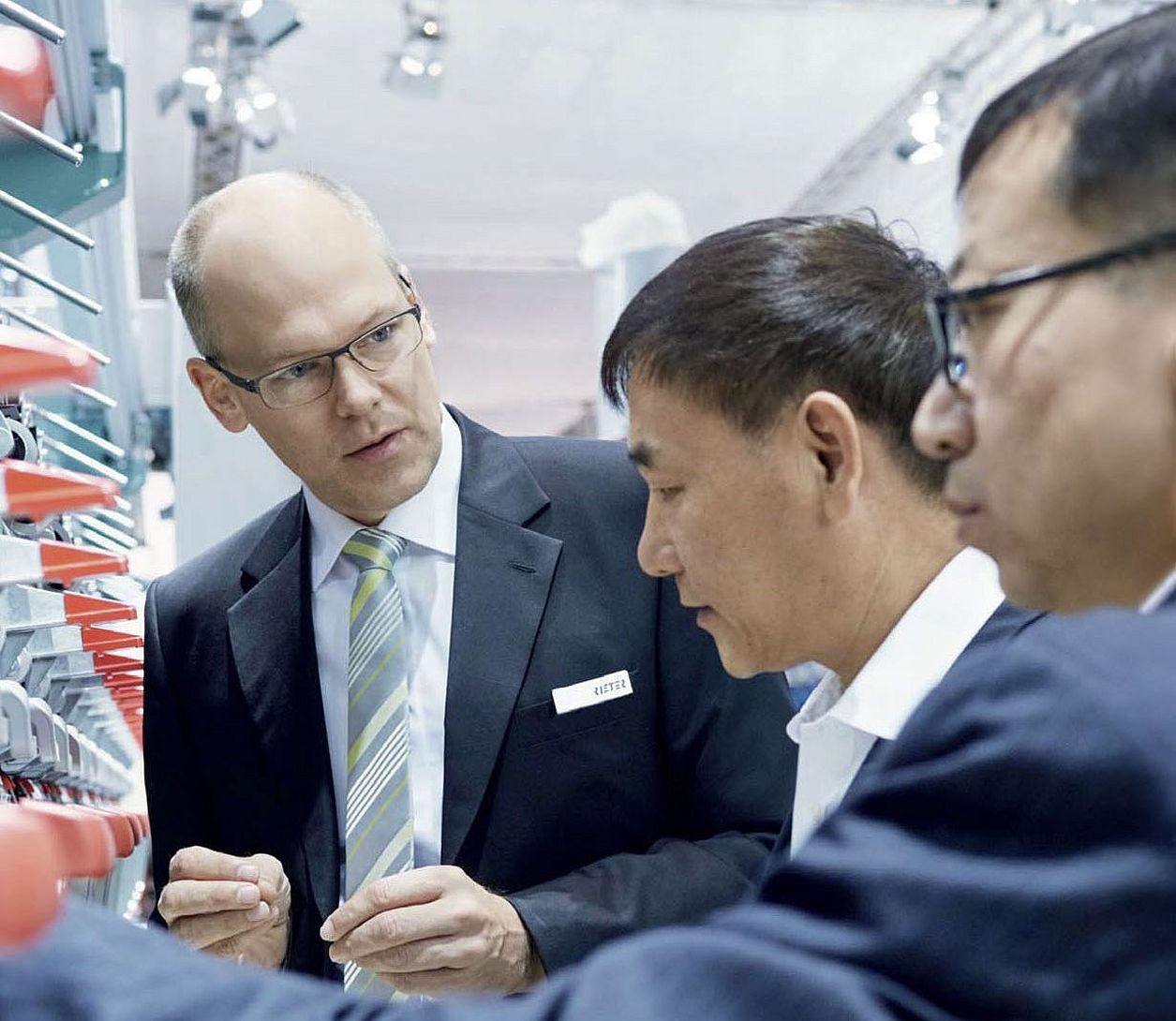
ITMA in Milan: innovation in digitization too
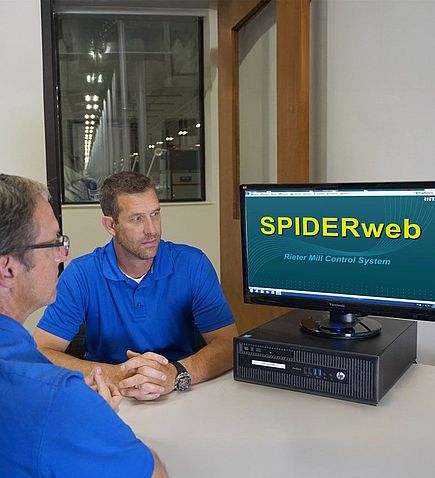
At ITMA Europe, the leading trade fair for the industry, Rieter launches a wide range of products. One highlight is SPIDERweb, an innovative control system. It is the only one on the market that can collect and analyze all relevant data about the entire process in a spinning mill and provide support in operation.
Rieter in a strong position with potential for further growth
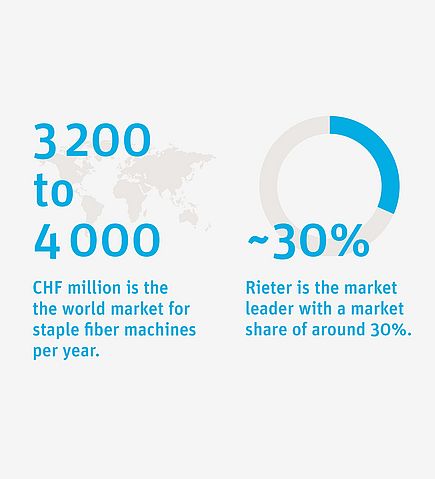
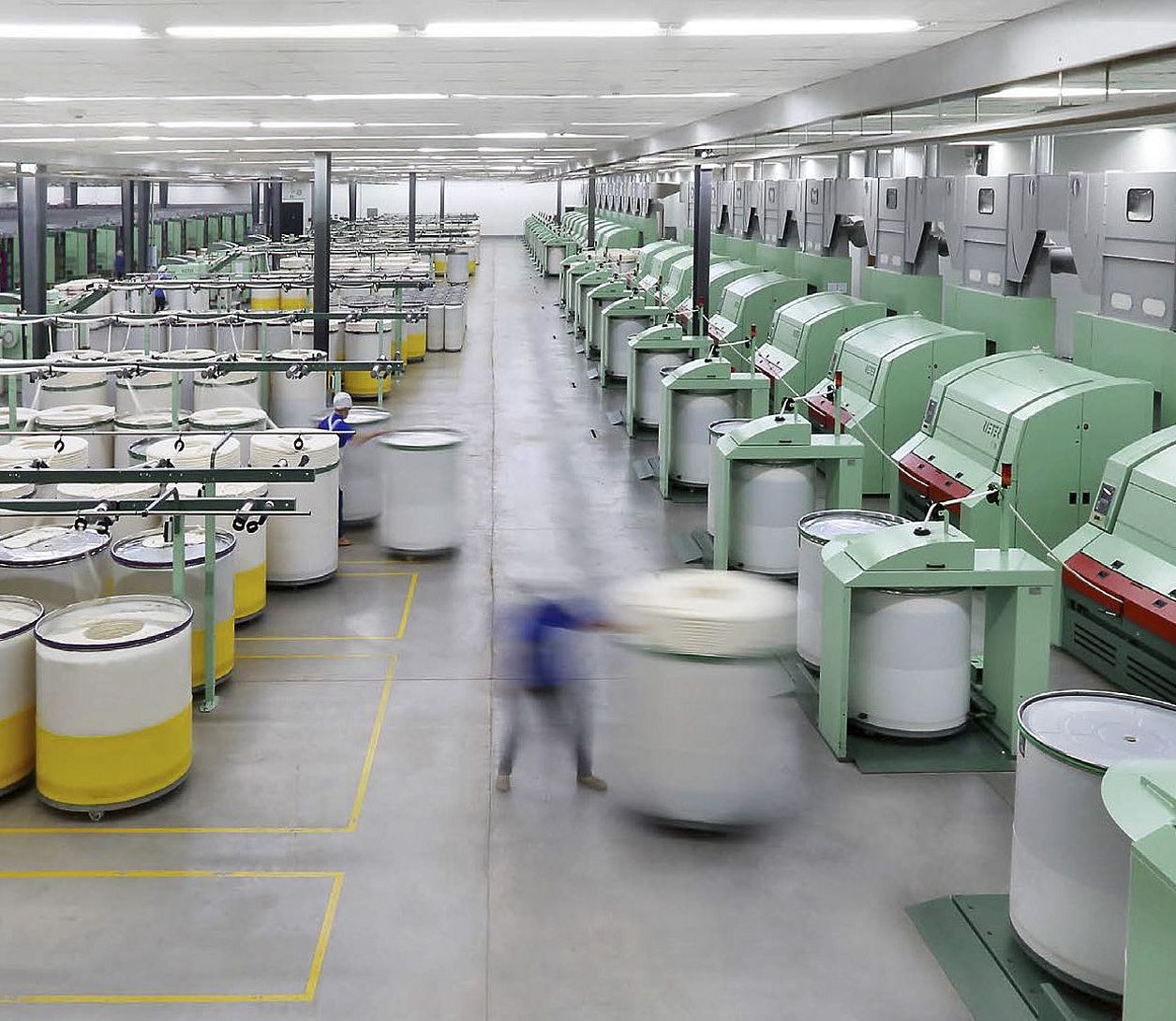
Rieter supplies around 1.83 million spindle equivalents. This value is used to measure the capacity for yarn production. More than 250 million are in use worldwide. The relevant market for Rieter has an annual volume of between CHF 2.3 billion and CHF 4 billion. Rieter is the market leader with a share of around 30%.
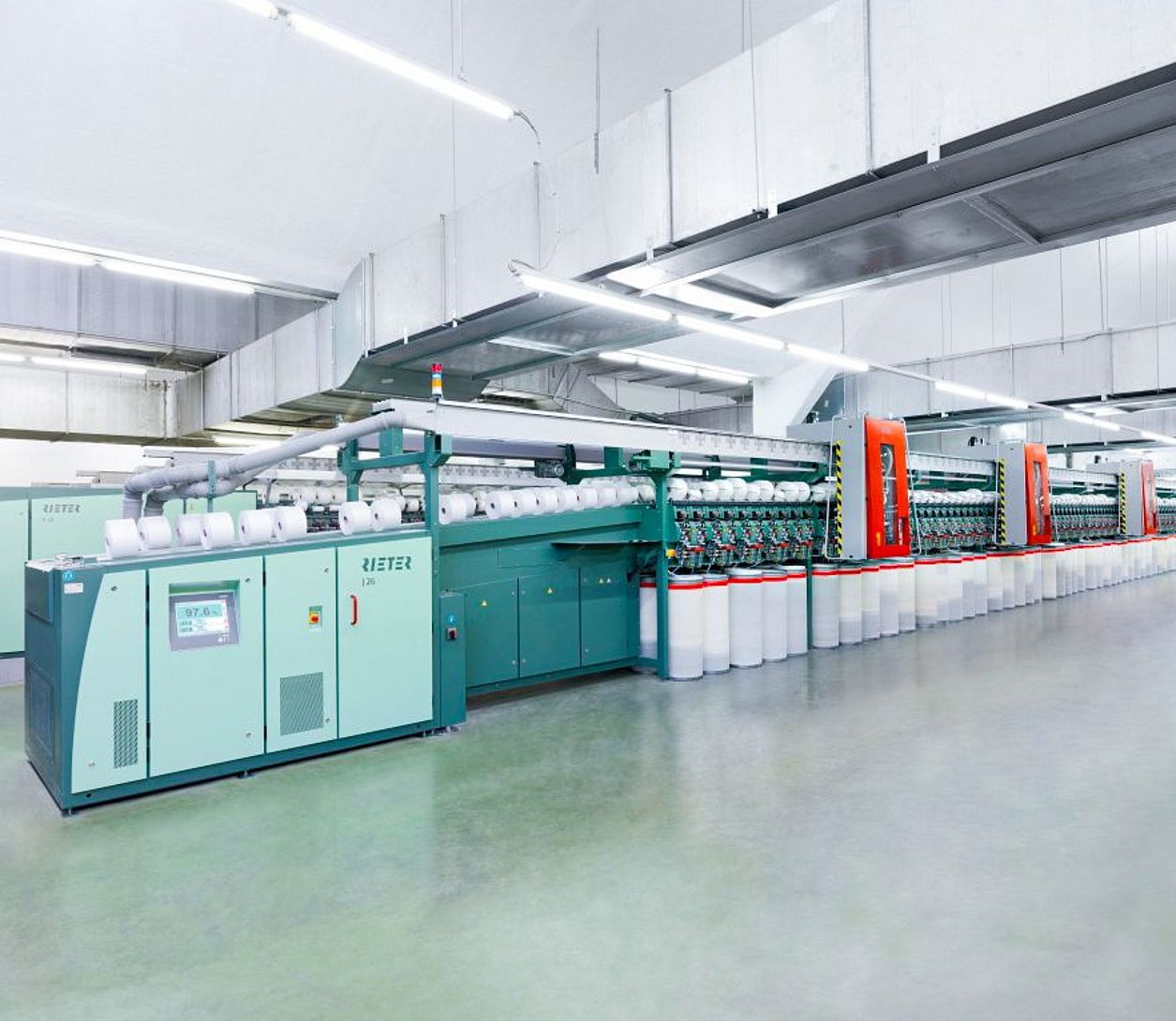
China: Rieter offers solutions for spinning man-made fibers
Textiles made of man-made fibers and fiber blends hold a large share of the Chinese market. Rieter offers spinning mills suitable new solutions. For the first time in China, Rieter presents the J 26 air-jet spinning machine with a polyester option. Air-jet spinning is a particularly efficient process.
Digital expertise for spinning mills

November 4, 2016
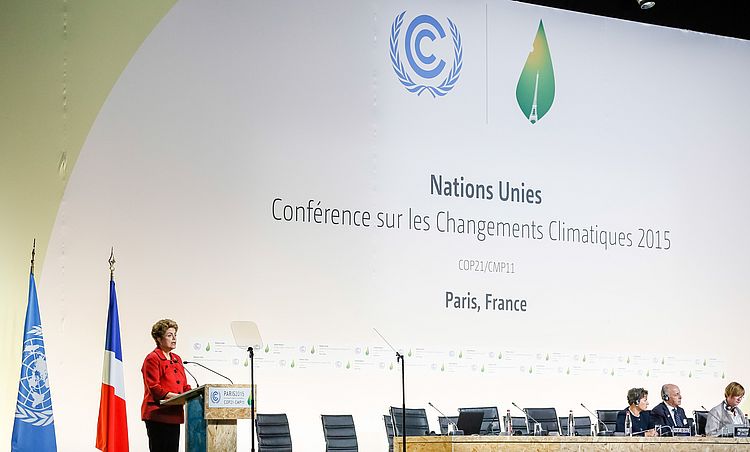
Controlling global warming: Paris Convention enters into force
April 5, 2017
Shake-up on the Board: Bernhard Jucker takes over as Chairman

July 2017
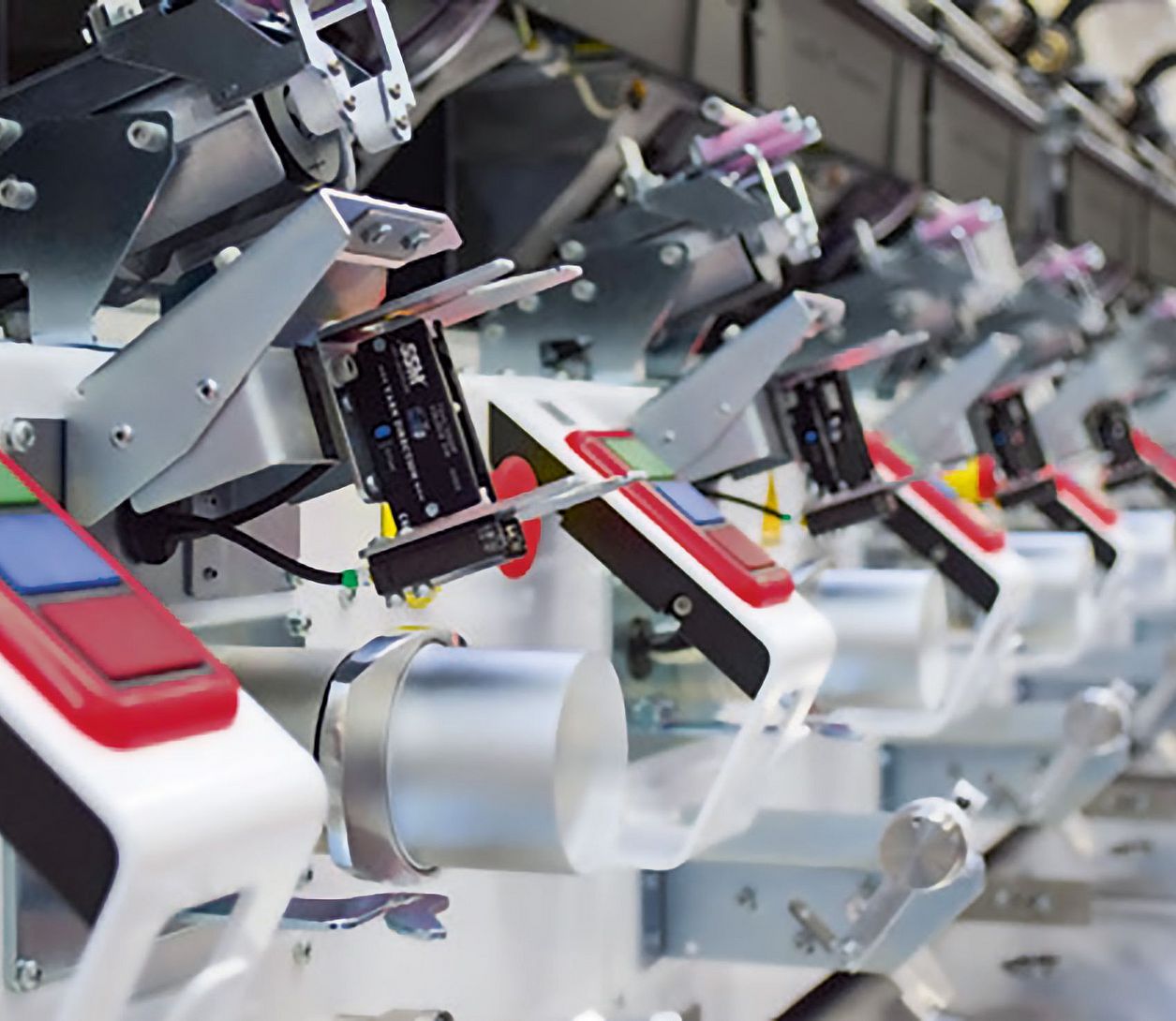
Takeover of SSM: Rieter expands portfolio

SSM offers a wide range of machines and components used in the textile value chain – complementing Rieter’s products. The technology leader with a strong brand has plants in Switzerland, China and Italy and offers a range of services in over 60 countries.
October 2017
Rieter launches concept study for innovation center in Winterthur
Production moves from Germany to the Czech Republic
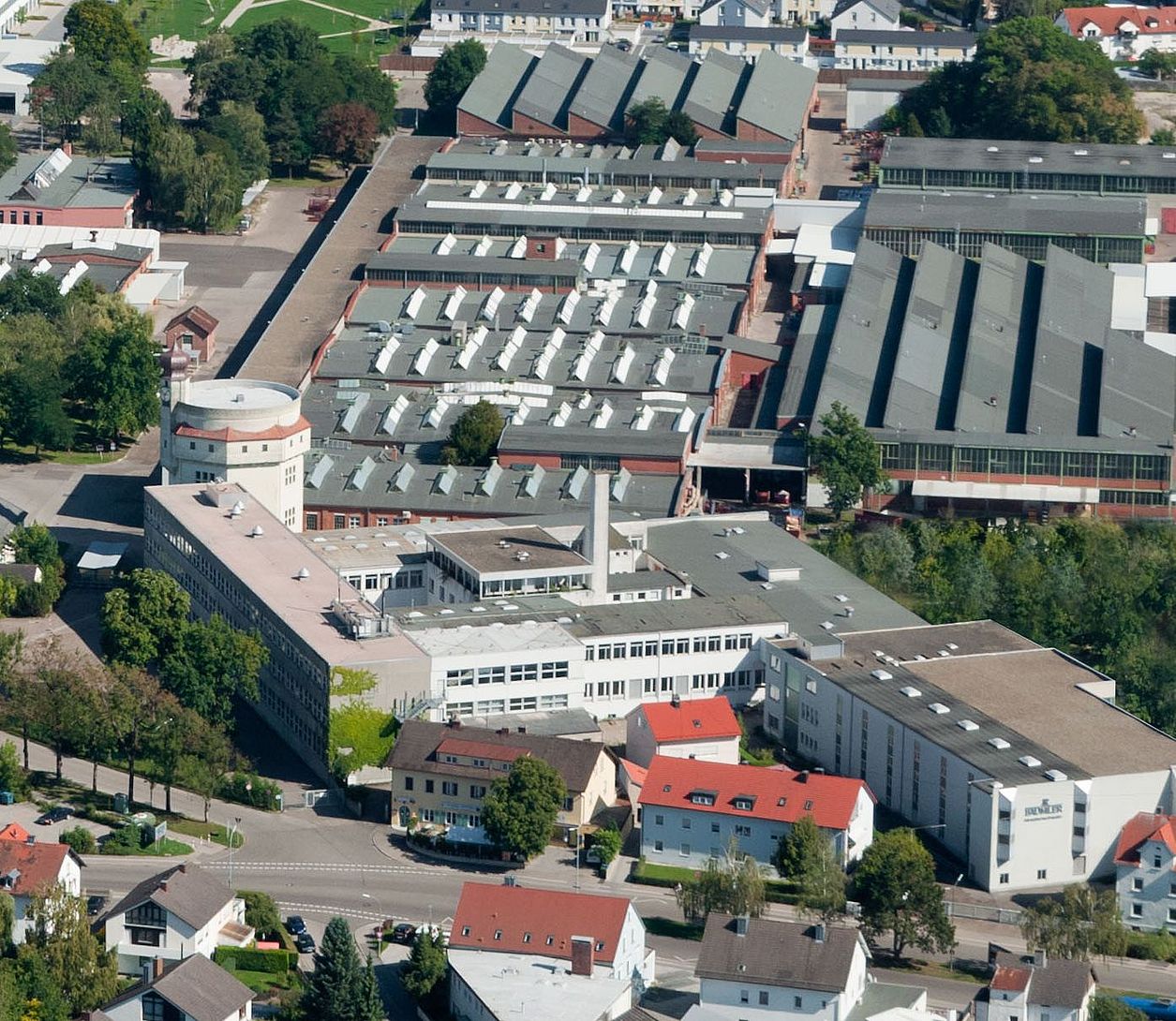
Industrial production at the Ingolstadt site is no longer economically viable in the face of fierce global competition. Rieter decides to relocate production from Ingolstadt to existing Czech production sites. In Ingolstadt, Rieter will focus on the development of machines.
October 2018
ITMA Asia in Shanghai: focus on digitization and systems
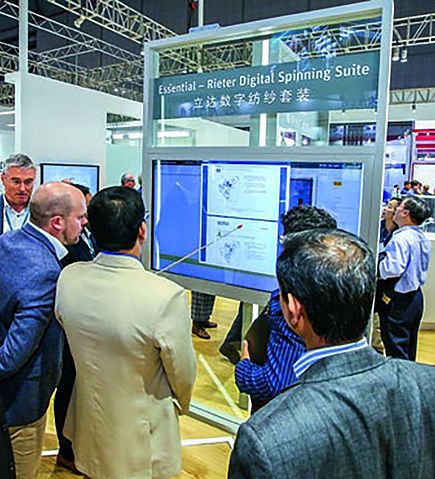
Rieter presents several world firsts at this important trade fair, including the ESSENTIAL platform. This platform visualizes optimizations for the entire spinning process at a glance. ESSENTIAL integrates Rieter’s digital products but is also open to customers’ systems.
Year of contrasts: weak global market, successful innovations
The trade conflict between the US and China, overcapacity and political and economic uncertainties reduce sales performance in all regions, especially in key markets: by 32% in India and by 57% in Türkiye. In contrast, Rieter’s innovations are met with a positive response.
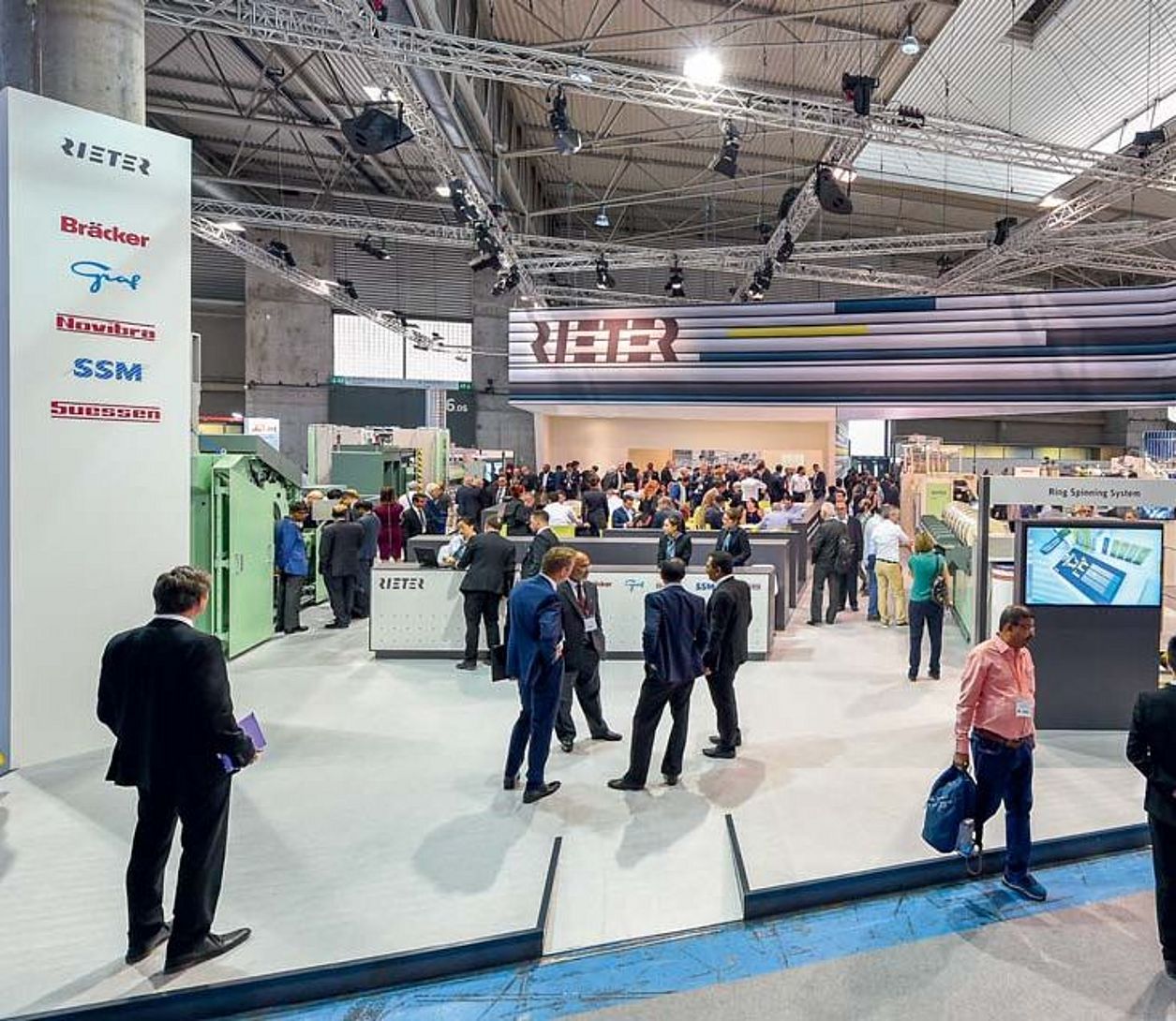
June 2019
ITMA in Barcelona: Rieter showcases an attractive new range
At the biggest industry trade fair, Rieter presents a comprehensive range of innovations for all four established spinning systems. The new products will enable customers to reduce their raw material, energy and labor costs, increase their productivity and flexibility, and develop new types of yarns.
June 2019
Rieter displays strength in the technology components business
September 2019
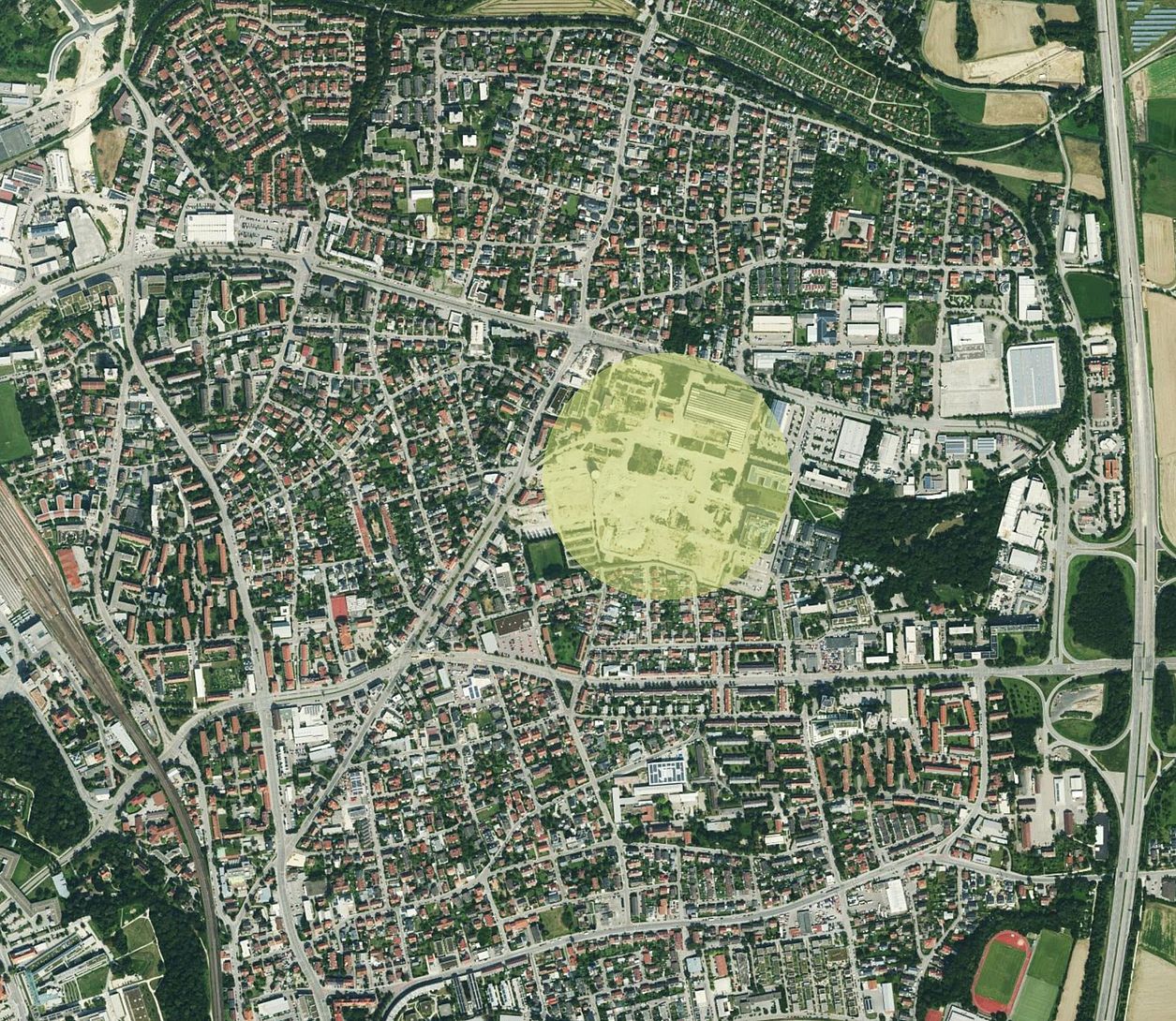
Germany: sale of property
Rieter sells the large factory site in Ingolstadt, Germany, which is no longer needed, to a company for project development. The transaction results in a substantial one-time profit contribution for the Rieter Group. The remaining employees will move to a new workplace.
Spring 2020
COVID-19 pandemic brings industry to a standstill
Orders at record level, but pandemic casts more shadows
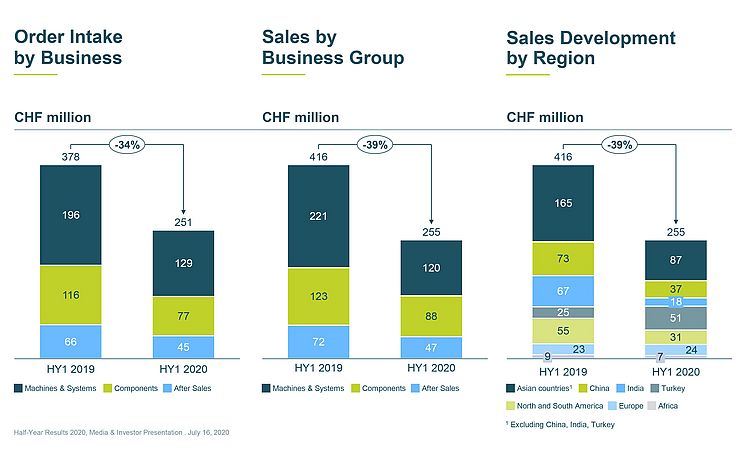
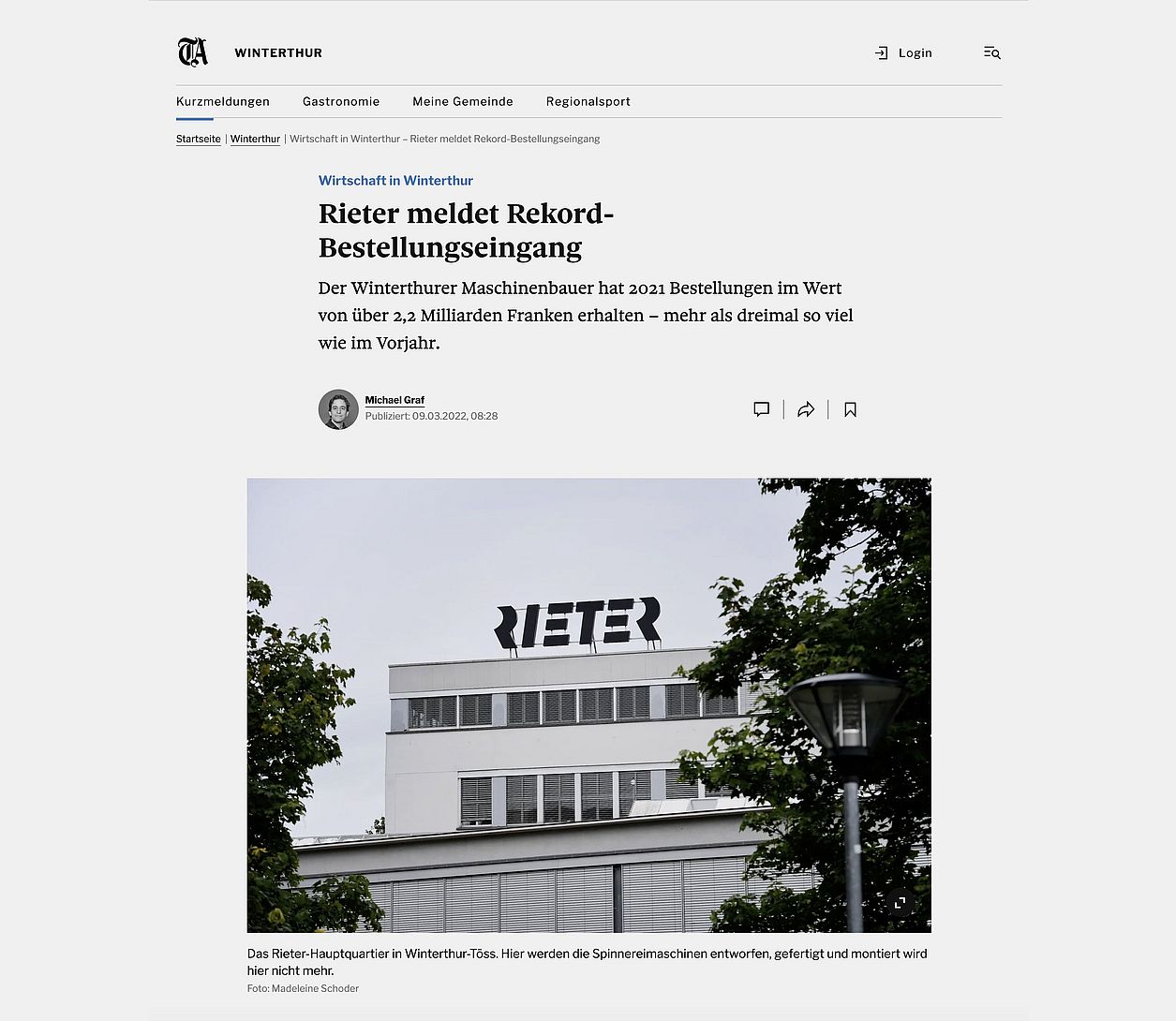
After two difficult years, there is a striking catch-up effect: orders are up by 248%. But Rieter looks to the future with a degree of caution. The pandemic has not been defeated, the standstill at supplier companies has led to bottlenecks in supply chains, and drastic cost increases are stifling revenues.
Supply chain bottlenecks hold back the upswing
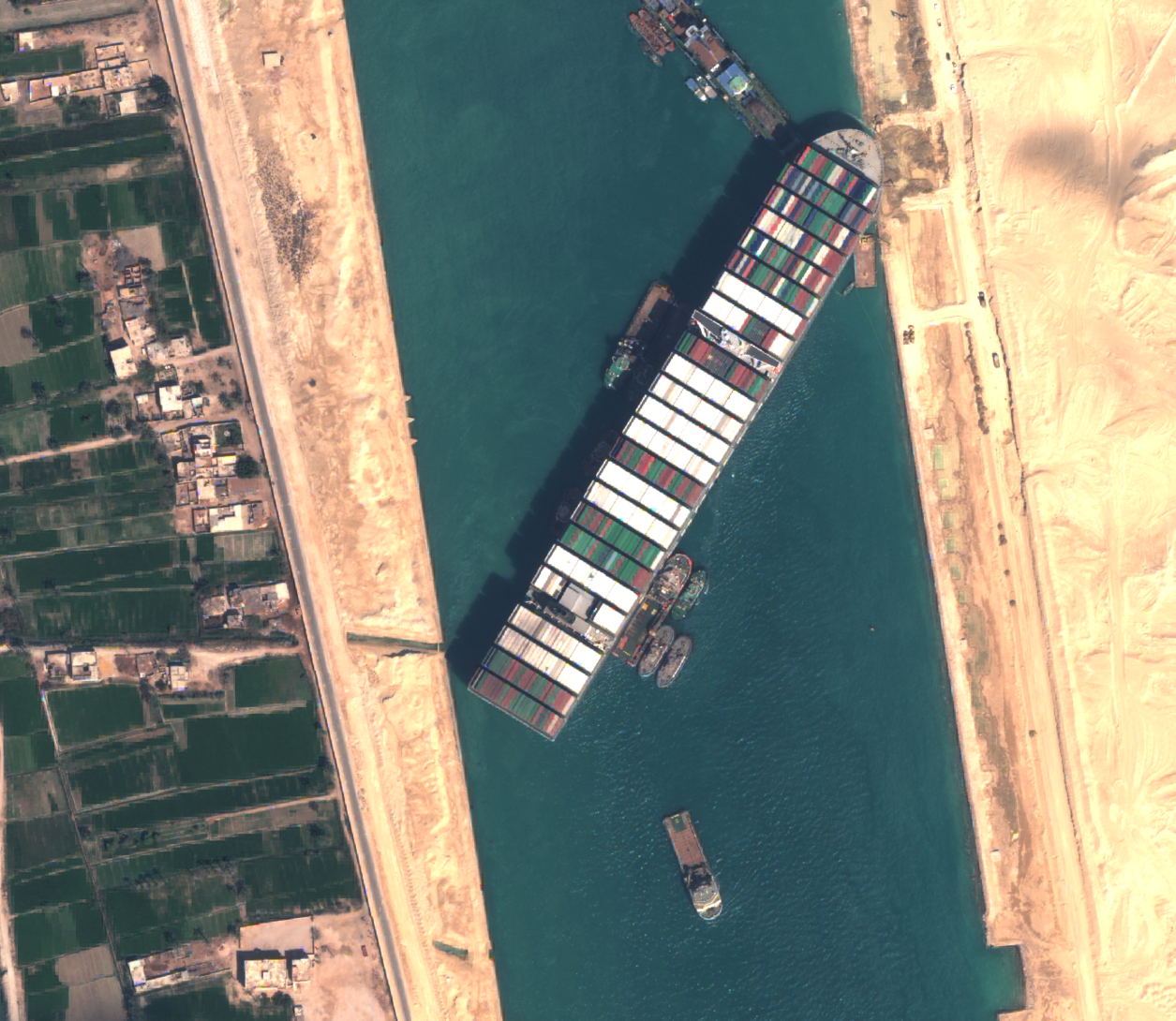
Many businesses around the world came to a standstill in 2020. There is now a shortage of various important materials in industry, especially microchips. In March 2021, the giant container ship Ever Given is stranded in the Suez Canal for days – triggering a chain reaction with enormous financial consequences.
August 2021
Milestone on the growth path: Rieter acquires parts of Saurer
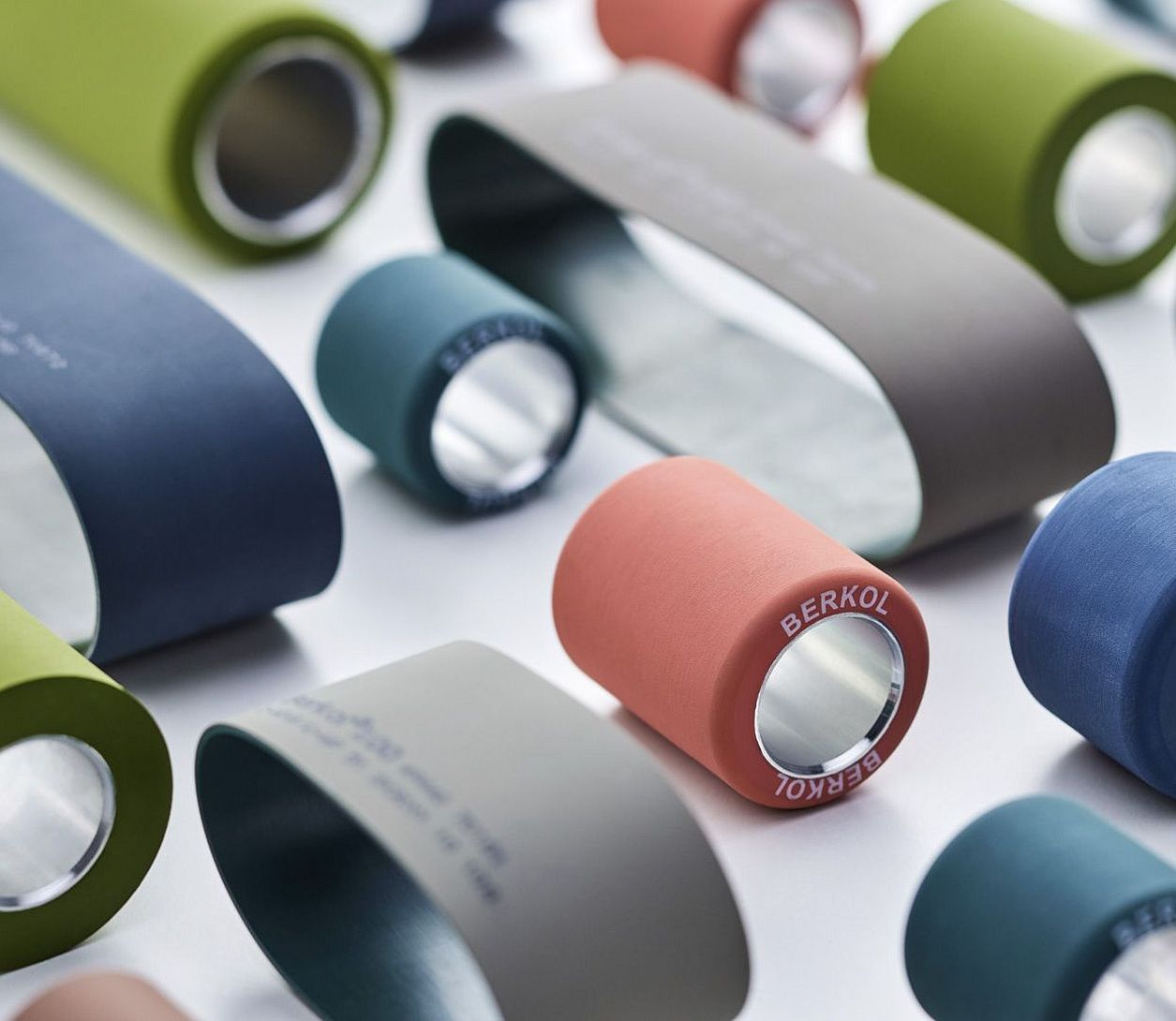
Rieter complements its portfolio with three businesses from the Saurer Group – a large and important transaction. Of particular importance is the automatic winding machine from the Schlafhorst brand. It completes the Rieter ring and compact-spinning systems and further enhances their attractiveness.
The brand family continues to grow
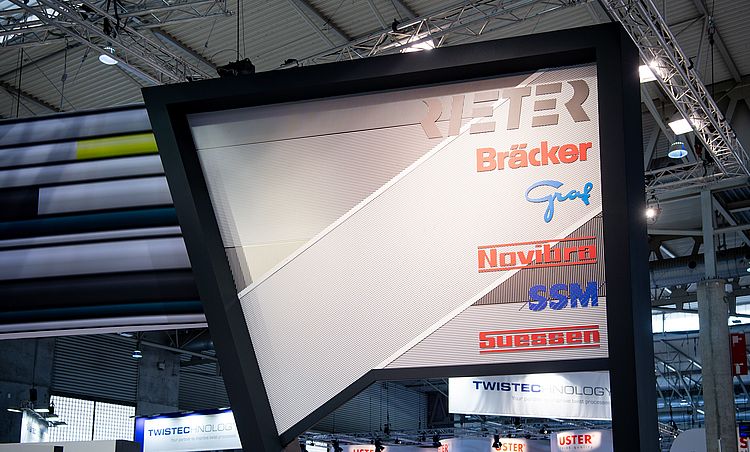
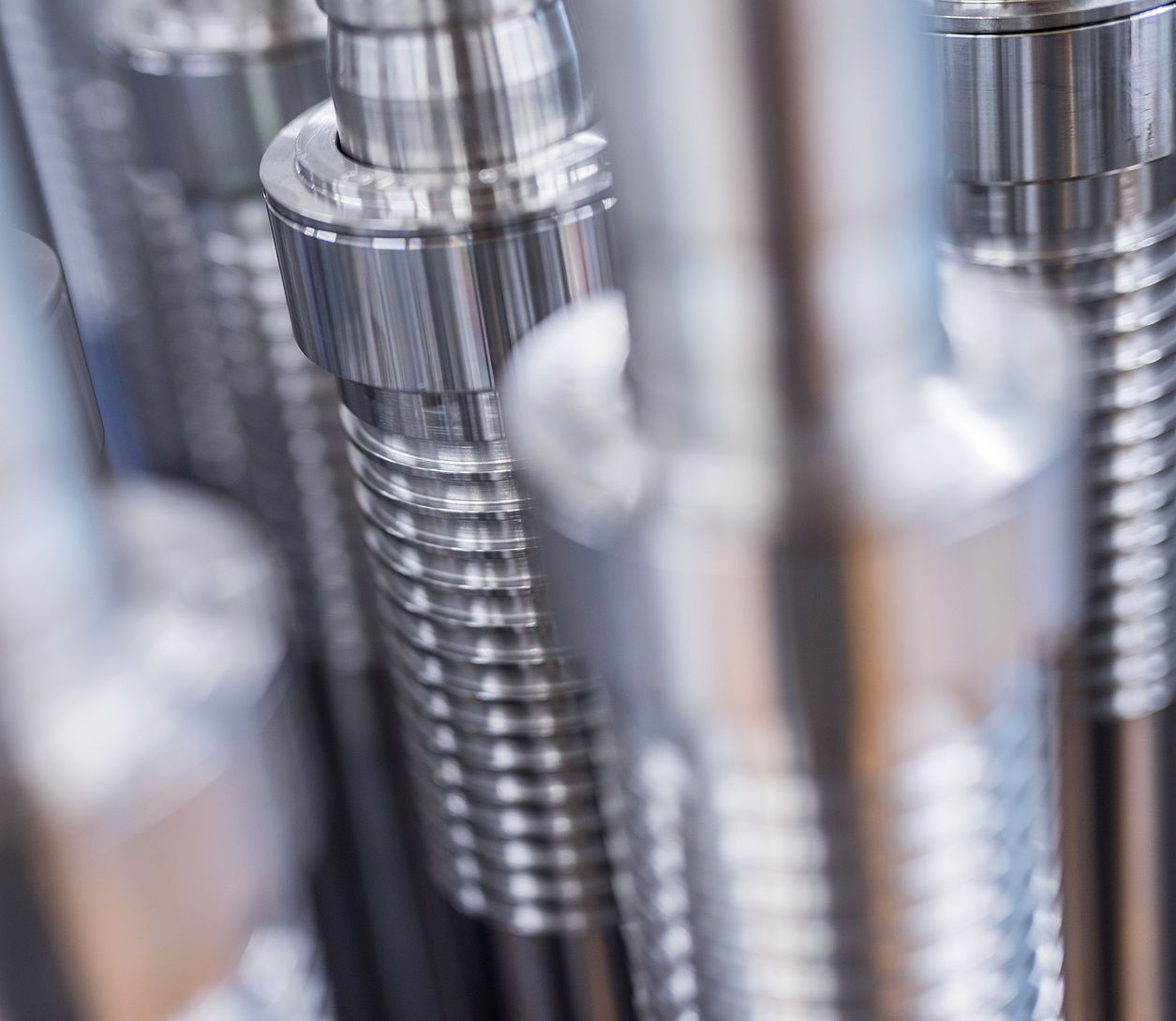
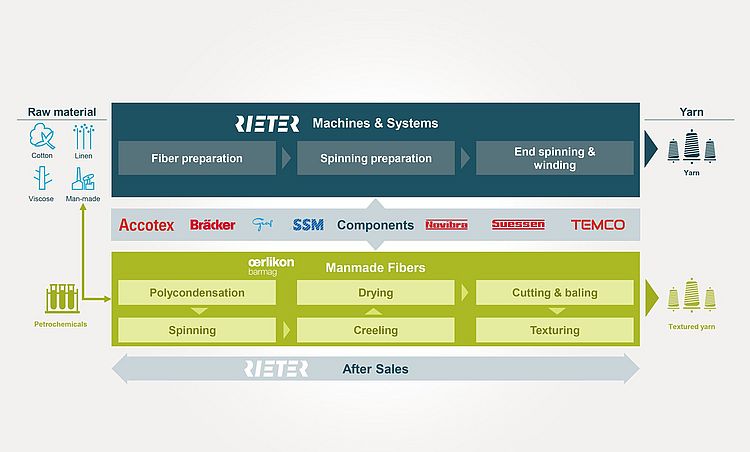
With the acquisition of Saurer business, Rieter gains two new brands with high-performance products in the components business: Accotex and Temco complement the existing Bräcker, Graf, Novibra, SSM and Suessen brands. As a result, this important revenue and earnings pillar of Rieter develops rapidly.
September 8, 2021
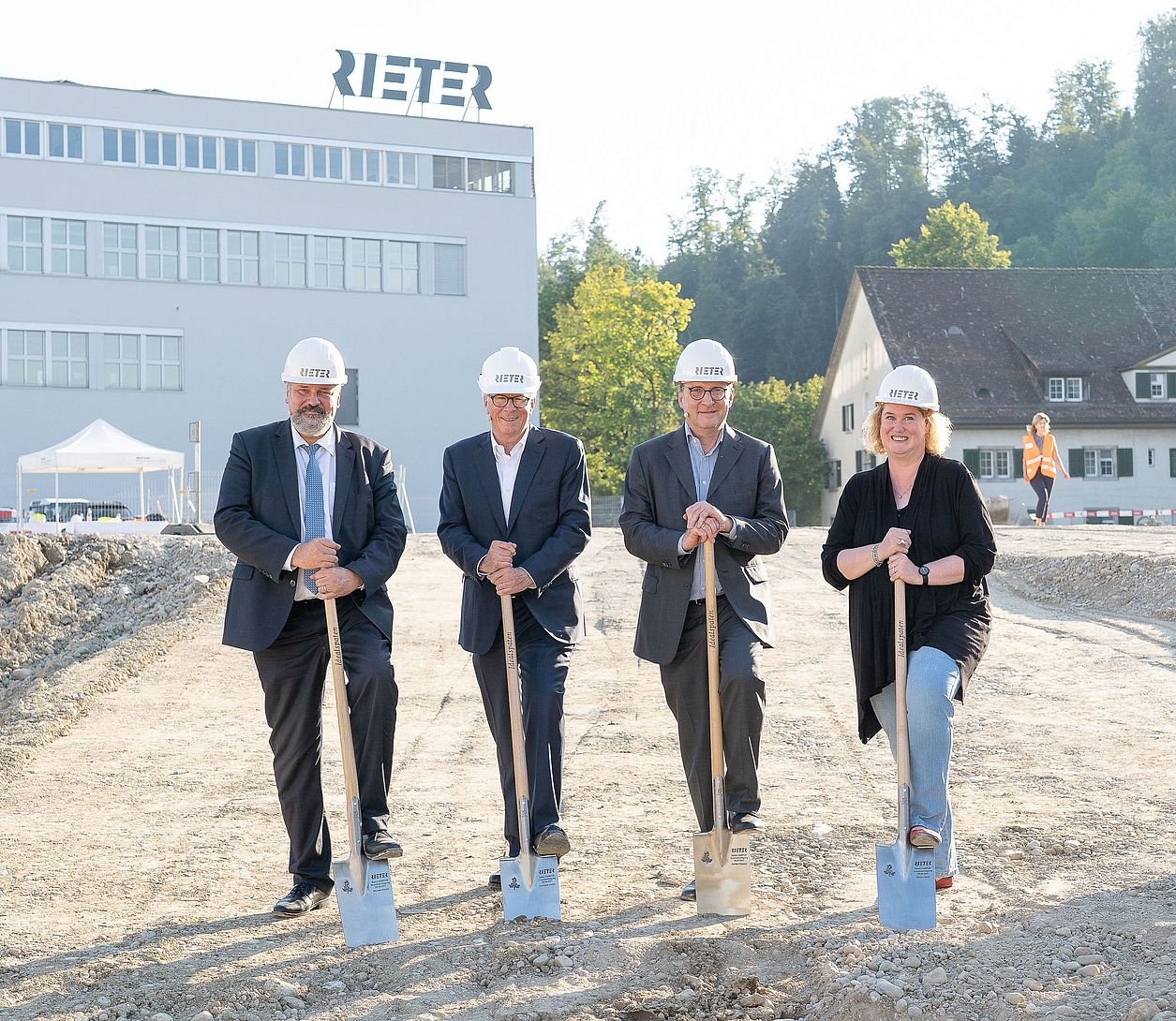
Foundation laid for Rieter CAMPUS at its headquarters in Winterthur
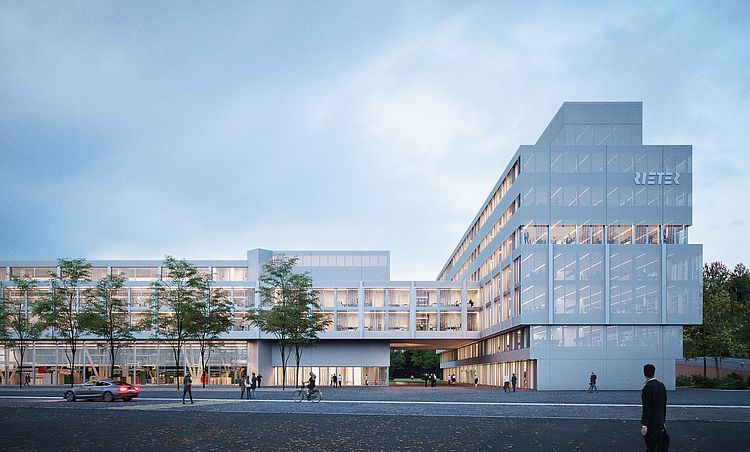
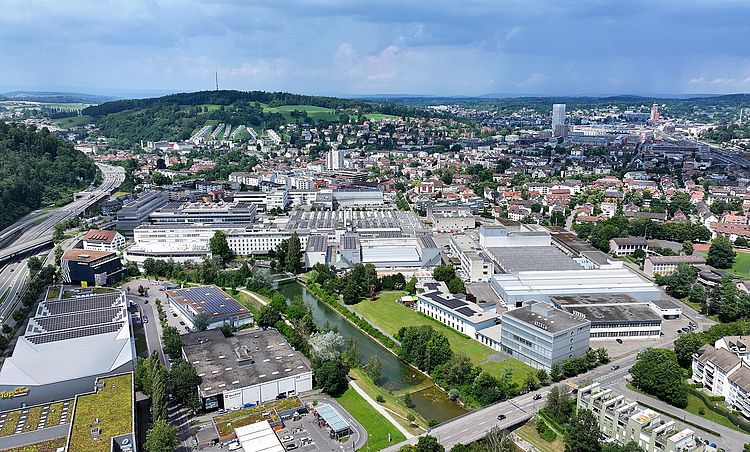
The project to repurpose the industrial site is taking shape. The Rieter CAMPUS will include a customer and technology center as well as an administration building. Rieter is creating a modern working environment, securing access to cutting-edge European technology and increasing its appeal for young talent.
Responsibility for the environment: promoting the circular economy
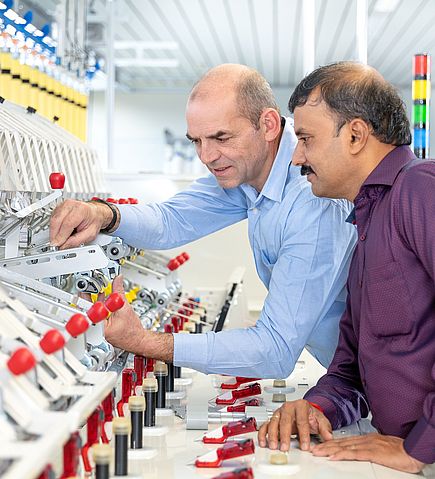
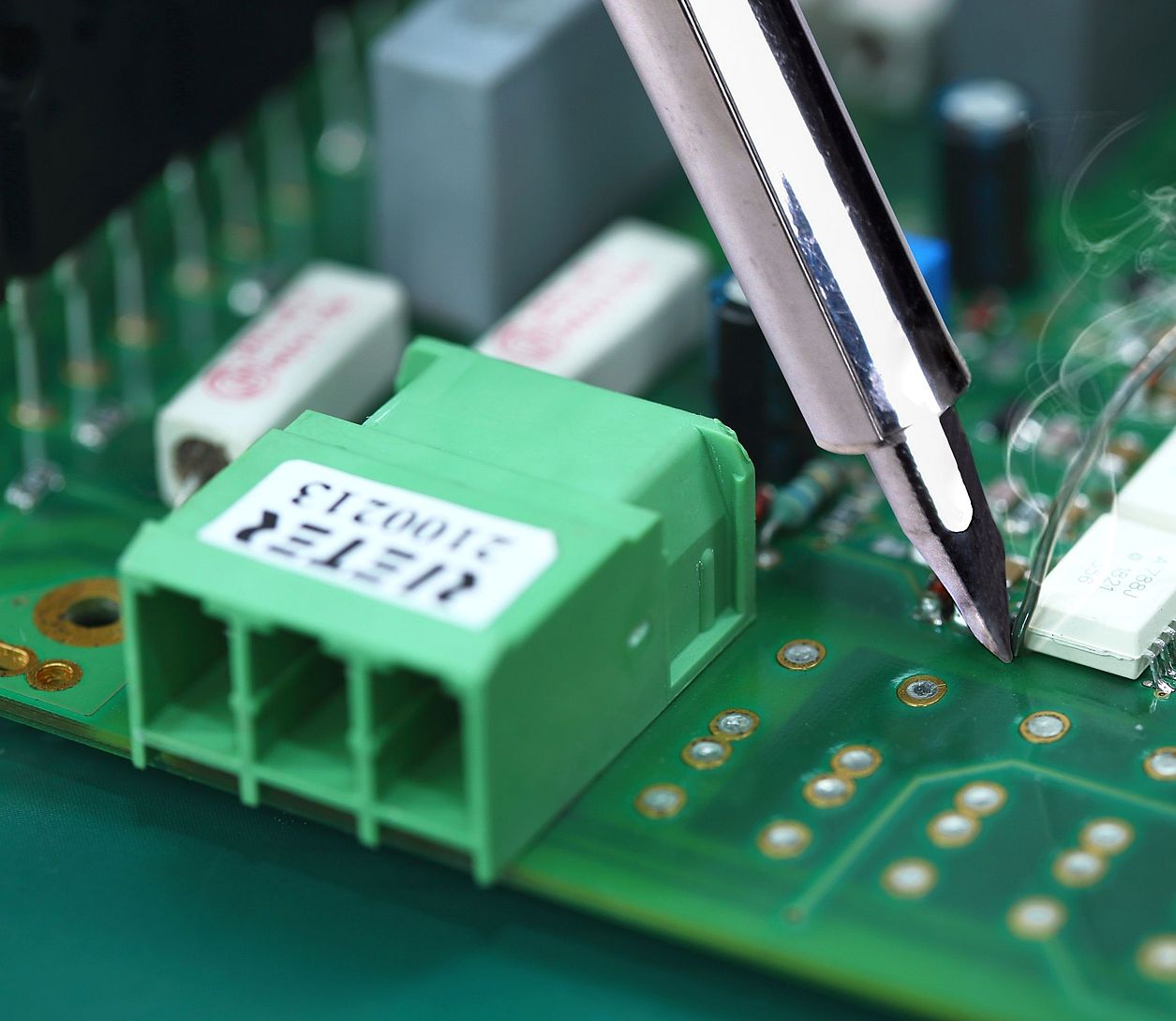
More than 100 certified Rieter experts offer repair services around the world. Rieter has introduced sustainable recycling processes in 27 of its own repair service centers in 22 countries. Each repair station can recycle all Rieter products that cannot be repaired.
Rieter backs AI – in the present and for the future
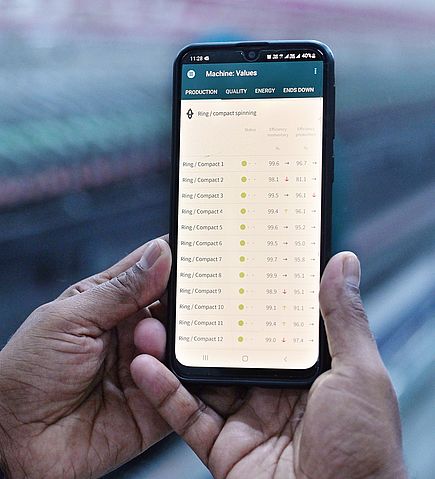
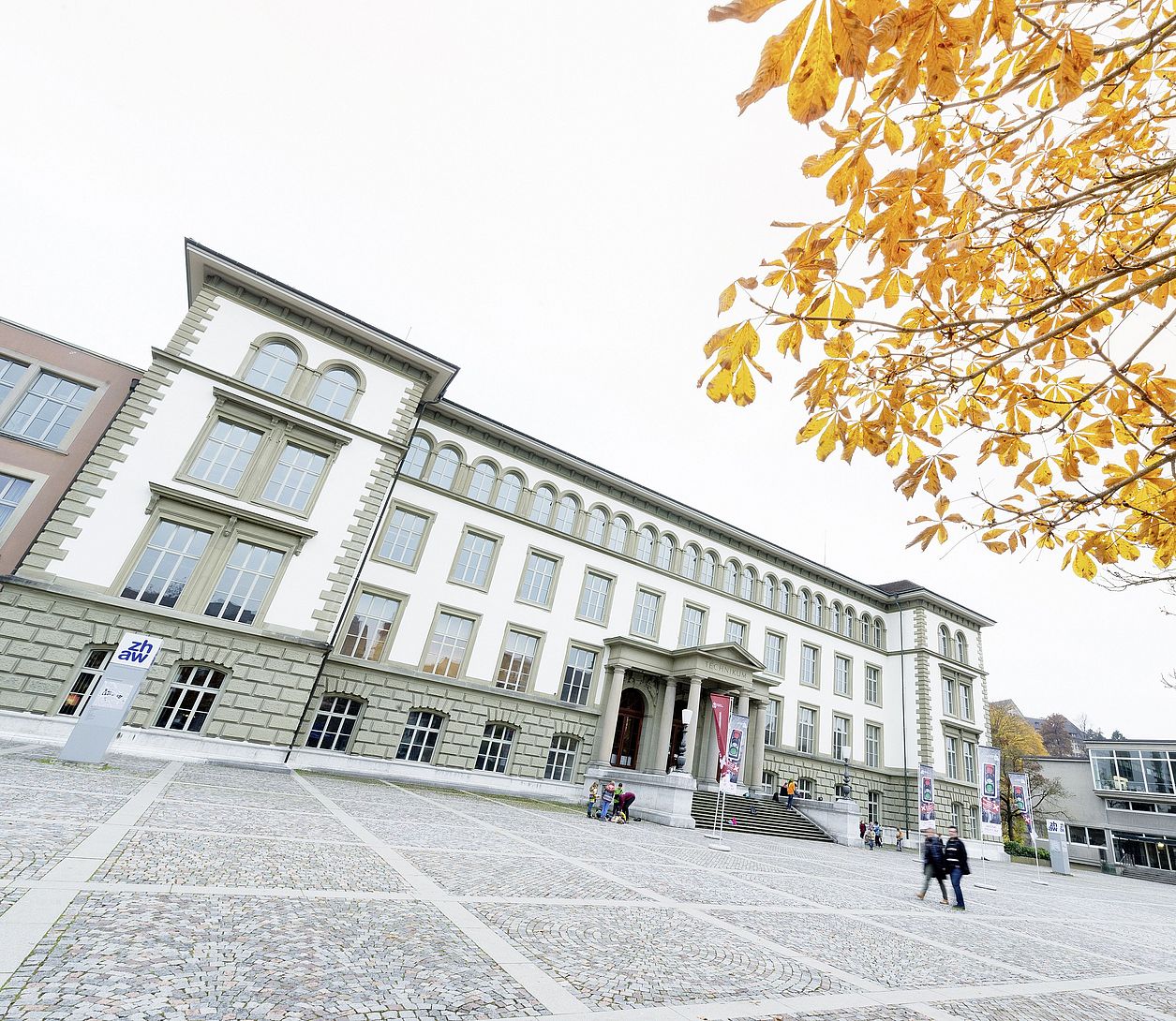
Artificial intelligence (AI) can help save energy and raw materials in the spinning process. For this purpose, Rieter offers the digital platform ESSENTIAL, among other things. Rieter and a Rieter-affiliated foundation finance a professorship at Winterthur University of Applied Sciences in order to expand its AI expertise.
Spring 2023
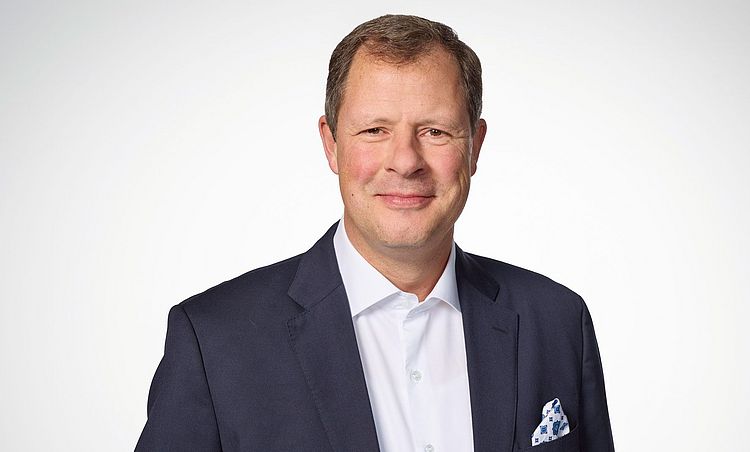
New CEO, new strategic program: Thomas Oetterli takes over
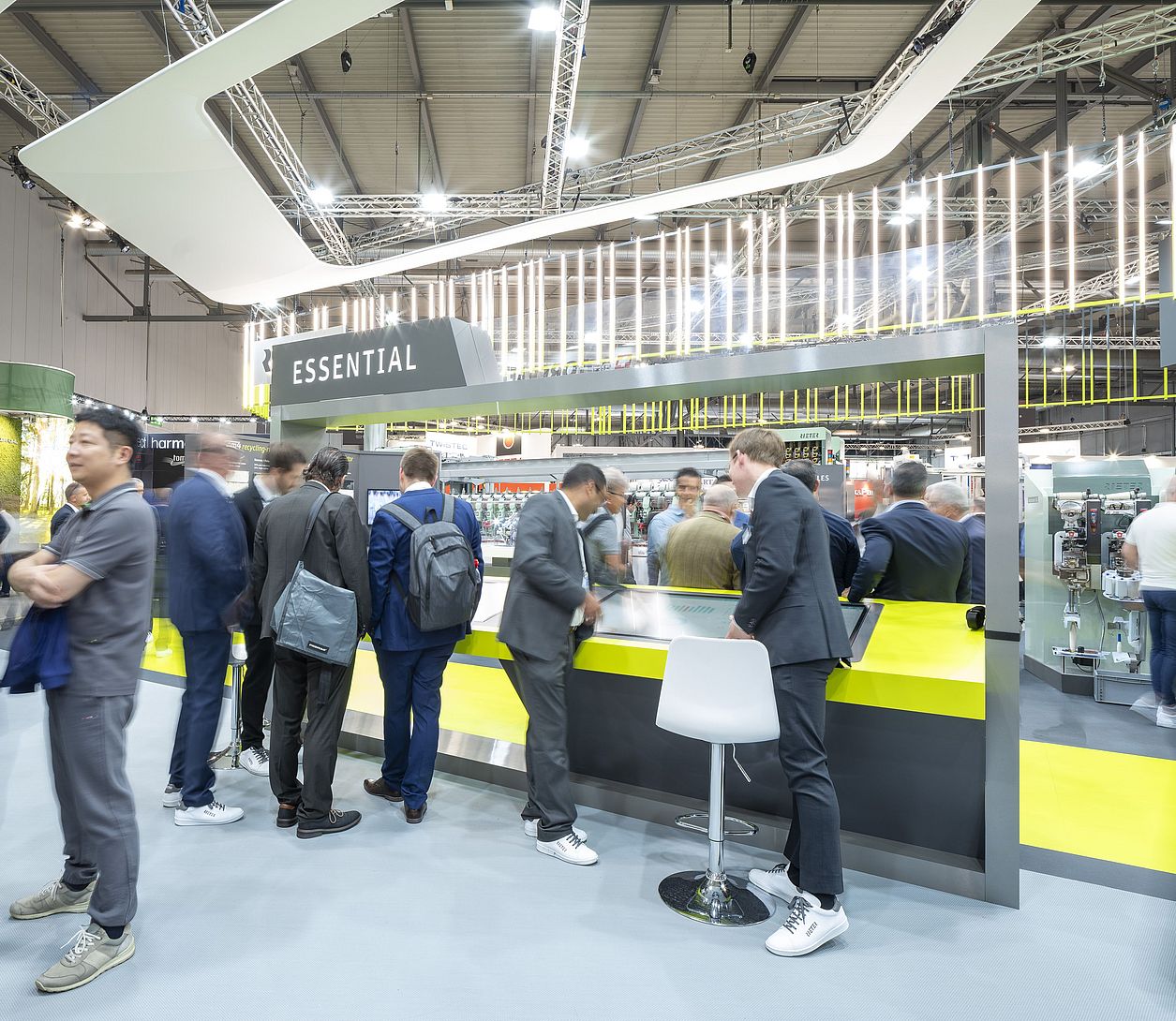
ITMA in Milan and Shanghai: new solutions, digital trade fair concept

At the two leading industry fairs, Rieter presents innovative solutions in the areas of digitization, automation and the circular economy. Experts present the machines, components and digital tools in a live demonstration at the fair and online in Rieter’s «Virtual Booth».
Sale of property in Winterthur successfully completed
Sustainability: non-financial targets examined and reported

April 17, 2024
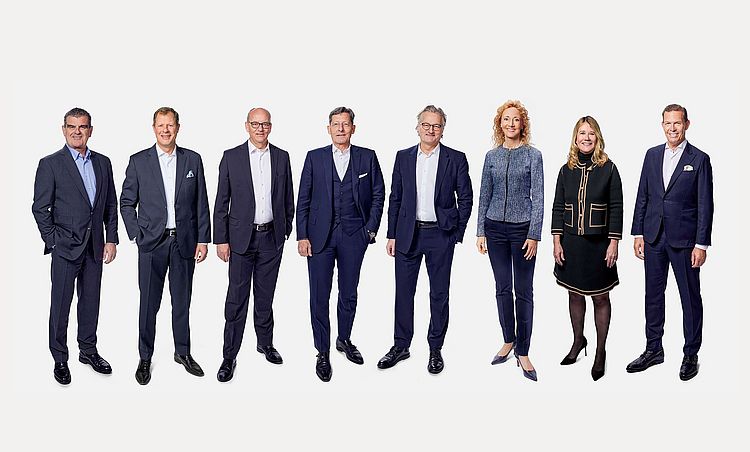
New at the top: Thomas Oetterli appointed Chairman of the Board
Summer 2024
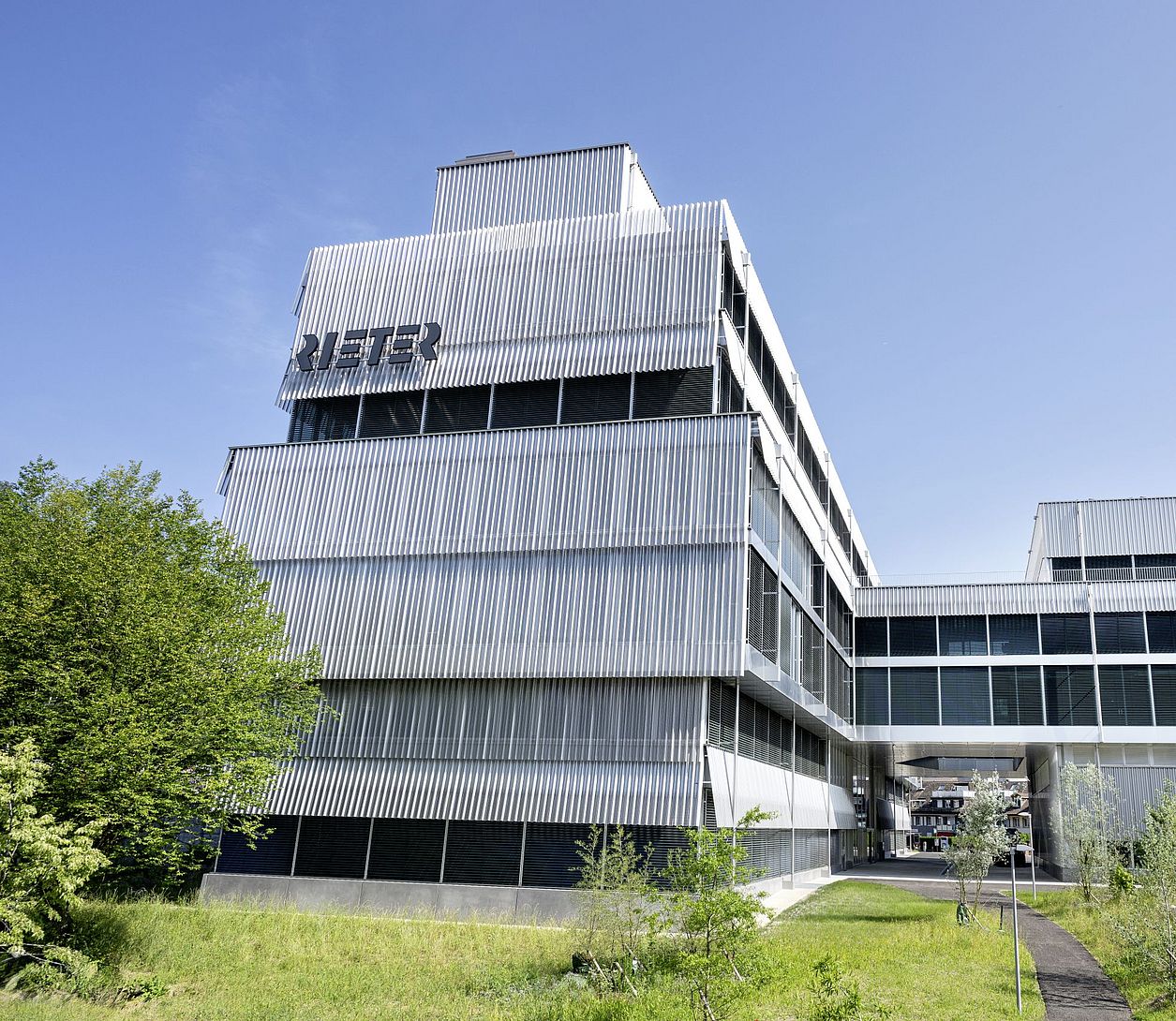
Rieter moves into new headquarters on the Campus site in Winterthur
In addition to the Group headquarters, the striking new building houses the most advanced innovation and technology center of its kind. Here, Rieter pools the company’s know-how and maintains contact with customers from all over the world. The focus is on automation, digitization and artificial intelligence.

Sustainability: Rieter sets out on the path to net zero
Through the global Science Based Targets initiative (SBTi), Rieter commits to defining emissions reduction targets by 2040 that are consistent with science-based net zero targets. In doing so, Rieter assumes responsibility for its own actions and supports its customers on their sustainability journey.

New US President shapes the global economy with a «tariff hammer»
Donald Trump sets new economic policy priorities with global consequences. He wants to reduce the trade deficit and bring production that had been relocated abroad back to the US. To this end, he imposes import duties at constantly changing and varying levels, thus unsettling world trade.
May 6, 2025
Rieter acquires Barmag and expands market position with new division
February 2, 2026
Rieter Completes Acquisition of Barmag